


Definitions of the terms that appear on research peptide specifications, written for the person evaluating a purchase rather than the person running the synthesis.
Analytical terms
Area percent. The purity figure quoted for most peptides: the area of the main chromatographic peak divided by the total integrated area of all peaks. A relative measurement of what eluted and absorbed, not a mass fraction.
Counter-ion. The ion associated with charged sites on a peptide, commonly trifluoroacetate from reverse-phase purification, sometimes acetate or chloride. Contributes mass without contributing peptide.
Deletion sequence. A peptide missing one internal residue because a coupling step failed. The characteristic impurity of solid-phase synthesis, and hard to resolve because it closely resembles the target.
Gradient. The programmed change in mobile-phase composition during an HPLC run. Slope strongly affects the purity figure obtained.
Lyophilisation. Freeze-drying: removal of water from a frozen solution by sublimation under vacuum, leaving a porous solid.
Monoisotopic vs average mass. Two ways of calculating molecular weight — using the most abundant isotope of each element, or natural isotopic abundances. They diverge as peptides get longer; comparing one against the other creates false discrepancies.
Net peptide content. The proportion of total vial mass that is actually peptide. Typically well below the chromatographic purity figure. This is the number a molarity calculation needs.
RP-HPLC. Reverse-phase high-performance liquid chromatography, the standard method for peptide purity assessment: non-polar stationary phase, polar mobile phase, separation by hydrophobicity.
Retention time. How long a compound takes to elute. A property of the method, not a fingerprint of the molecule.
Structural terms
Aib. Alpha-aminoisobutyric acid, a non-natural, achiral residue that constrains backbone conformation.
Amidation. A C-terminal amide in place of a free carboxylic acid. Changes mass by about 1 Da; the amide and acid forms are different compounds.
Acetylation. An acetyl group, usually at the N-terminus. Adds 42 Da and removes a positive charge.
D-amino acid. The mirror-image stereoisomer of a standard L-residue. Identical mass, so mass spectrometry cannot distinguish a racemised impurity from correct material.
SPPS. Solid-phase peptide synthesis: chain assembly one residue at a time on a resin support.
Commercial and regulatory terms
Certificate of analysis. Not a standardised document in this market. A useful one states identity, sequence, methods, results, who performed them and when.
Intended use. The regulatory concept that determines whether an article is a drug, established from the seller’s representations rather than from a label alone.
Research use only. A description of a product category: laboratory reference material, not approved for use in humans or animals, not for diagnostic or therapeutic application.
Third-party tested. Analysis performed by a laboratory independent of the seller — meaningful only when the laboratory is named and the analyte specified.
How our specifications use these
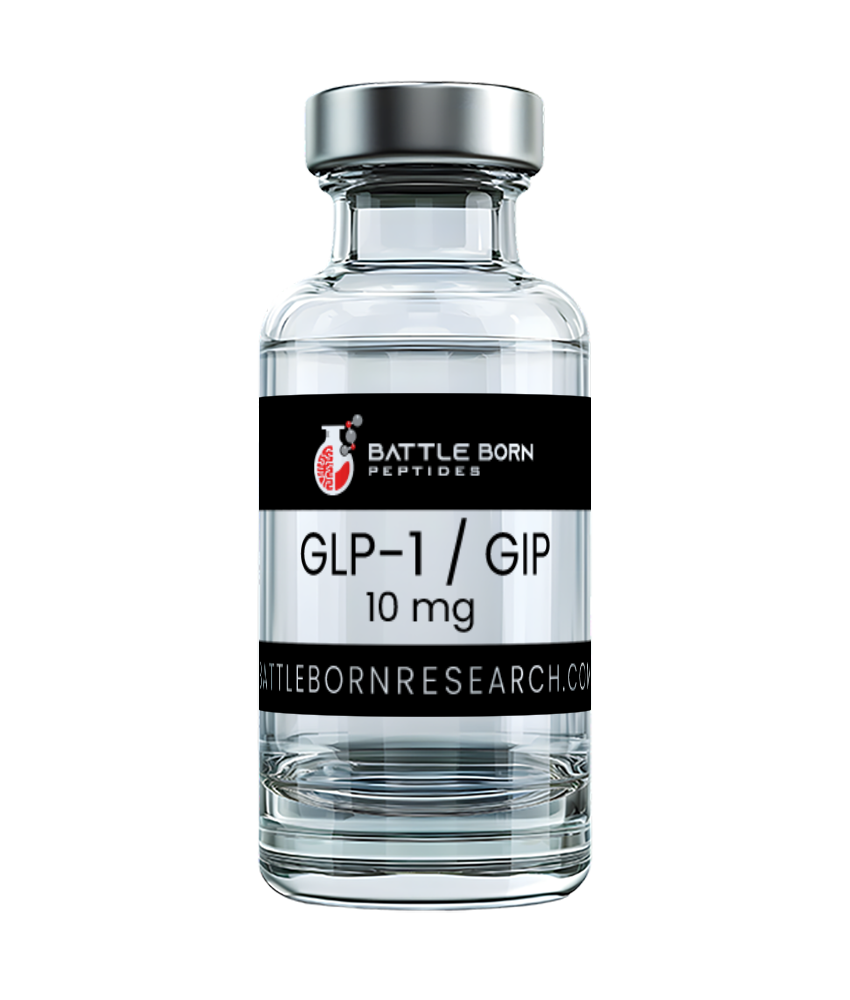
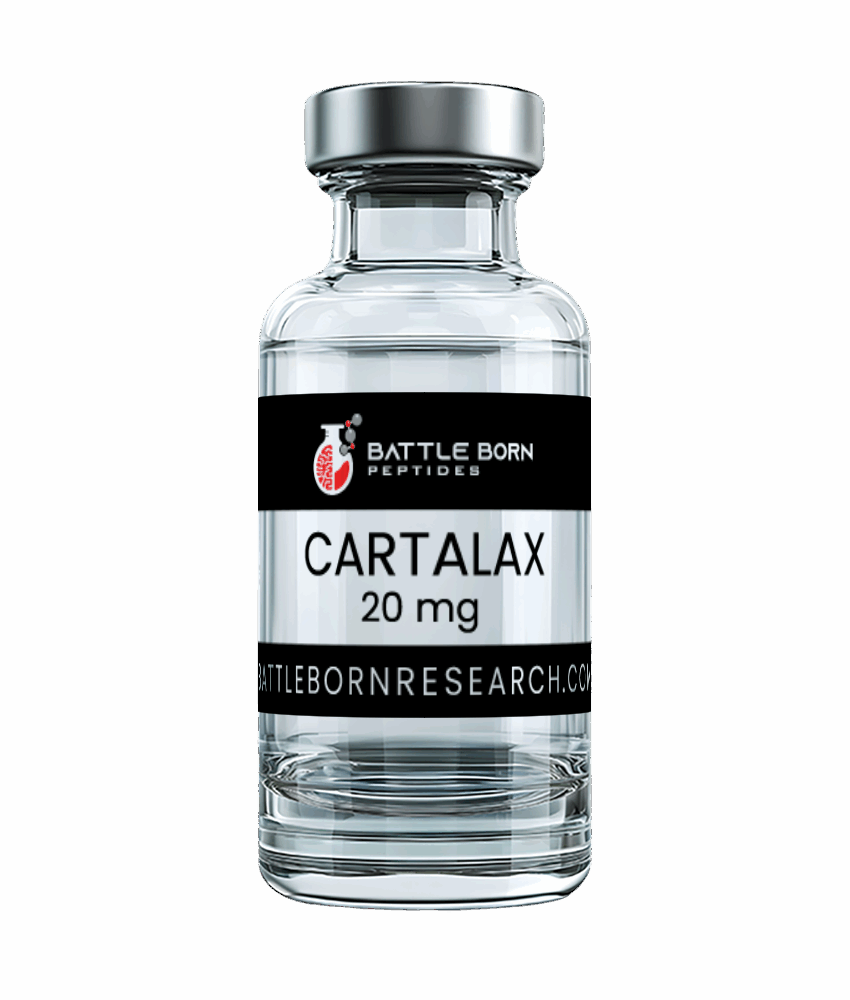
Each product page in our catalogue carries an independent reverse-phase HPLC analysis, net peptide content, counter-ion form and vial size — the four figures a molarity calculation requires. Battle Born vials carry no batch identifiers; matching to the published test is done by crimp and cap color.
Research use only. All products supplied by Battle Born Peptides are laboratory reference materials for in-vitro research and analytical use by qualified professionals. They are not drugs, foods, dietary supplements, cosmetics or medical devices; they are not approved by the FDA or any other regulator for use in humans or animals; and they are not intended to diagnose, treat, cure, mitigate or prevent any disease, or to affect the structure or any function of the body of humans or animals. Nothing in this article is preparation, handling or dosing guidance. See our full research-use terms.