

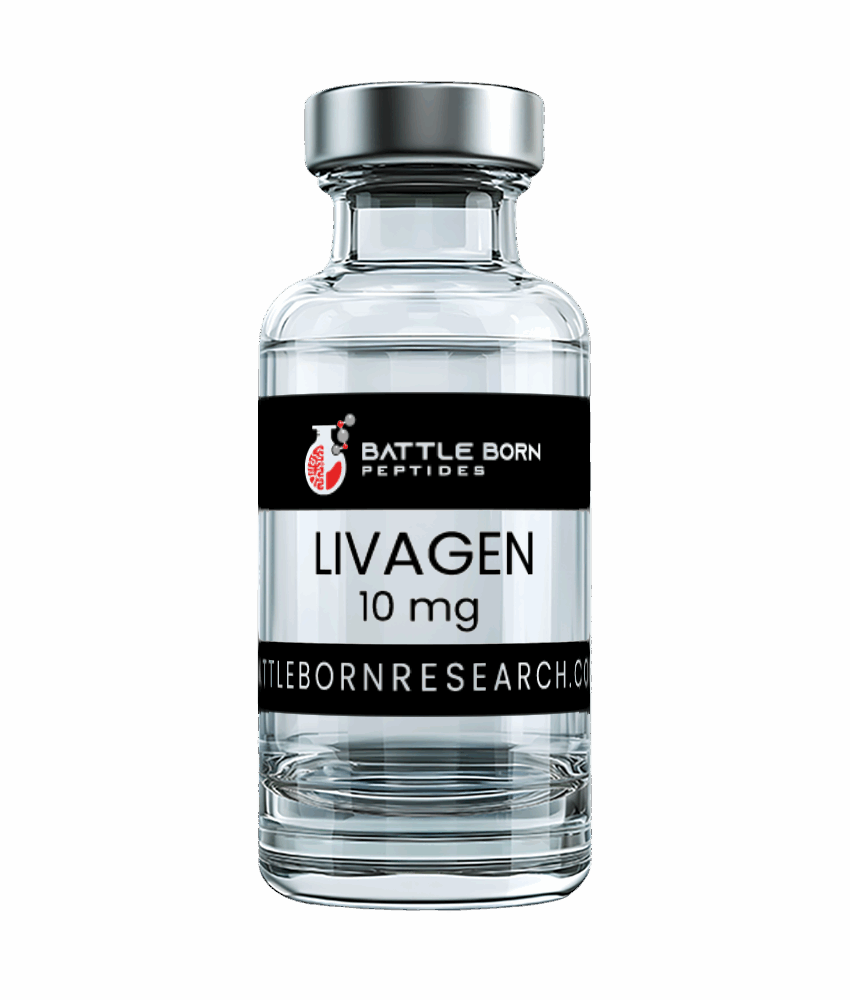
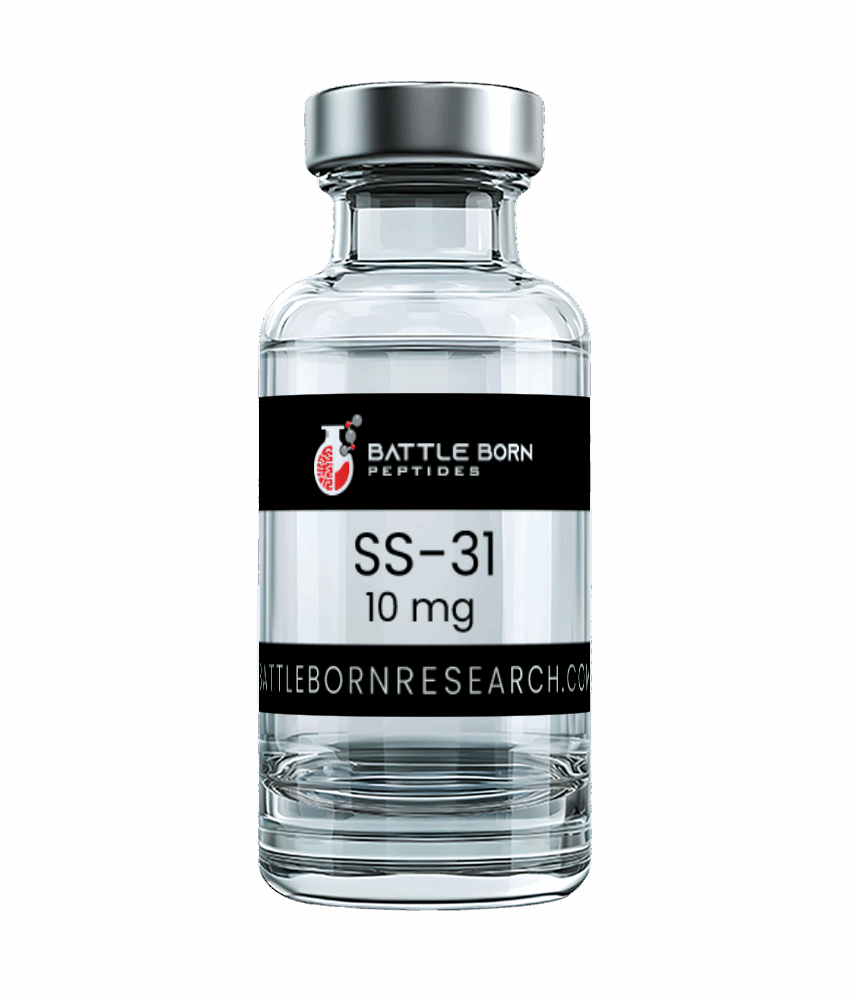

The moment a shipment arrives is the cheapest point at which to catch a discrepancy, and the point at which most laboratories are least attentive. A short receiving routine costs a couple of minutes and saves the far more expensive conversation that happens three weeks later when a result looks wrong.
Check the shipment against the invoice
Compound names, vial sizes and quantities, item by item. Peptide nomenclature is inconsistent across the field and similar names are common, so read the full product name rather than pattern-matching the first few characters. A blend and a single compound can have names that differ by a few words.
Check physical condition
Vials intact, seals undisturbed, closures secure. A fractured lyophilised cake is normal after a courier journey and does not indicate a problem; a compromised seal does. Discolouration in material that should be white to off-white is worth querying before use.
Confirm identity documentation
For each product received, locate its published analysis and confirm it is the analysis for the product you actually have. Our analysis is published on each product page; our vials carry no batch or lot number, and a vial is matched to its published test by crimp and cap colour. Knowing the mechanism is what makes the check possible — a supplier who cannot describe how a vial relates to a document has not given you anything to check.
Record what you received, at the time
The fields worth capturing while the box is open: compound name, supplier, order and invoice reference, date received, vial size, the published purity figure and the method it was measured by, net peptide content, and counter-ion form. That set lets a future reader reconstruct what was on the bench. Reconstructing it later from memory is how experimental records develop holes.
If something does not match
Raise it before the material enters an experiment. Wrong item, damaged vial, a question about which published analysis corresponds to what arrived — all of those are easier to resolve on day one, and all of them become ambiguous once a vial has been opened.
If you intend to verify independently
Verification is a reasonable thing for a laboratory to do, and a supplier who resents it is telling you something. If your own analysis disagrees with a published figure, check the methods before concluding anything about the material: gradient slope and detection wavelength move purity numbers substantially, and a small gap between two well-run methods is unremarkable.
If the gap is real, our commitment is defined rather than vague: an independent laboratory result below the purity published for that product returns the purchase price and the cost of your test, subject to the eligibility requirements in our Refund Policy.
What happens next is yours
Storage, preparation and handling after delivery are governed by your laboratory’s own procedures. We do not advise on any of it, and a supplier who does is answering a question they are not permitted to answer.
Research use only. All products supplied by Battle Born Peptides are laboratory reference materials for in-vitro research and analytical use by qualified professionals. They are not drugs, foods, dietary supplements, cosmetics or medical devices; they are not approved by the FDA or any other regulator for use in humans or animals; and they are not intended to diagnose, treat, cure, mitigate or prevent any disease, or to affect the structure or any function of the body of humans or animals. Nothing in this article is preparation, handling or dosing guidance. See our full research-use terms.