



A laboratory ran an assay series last spring with a peptide reference material and wants to repeat it this fall. The purchasing record shows the same catalog item, the same vial size and the same published purity figure. The principal investigator asks a reasonable question: is the new material the same batch as the old? Answering it depends on understanding what a batch is, what a lot number records, and what a published test result does and does not describe. Those three ideas are often blurred together, and the blurring causes most of the confusion.
A batch is a population, not a product
A batch is a quantity of material produced in a single process under conditions uniform enough that the whole of it can be regarded as one population. That uniformity is what gives a test meaning. If the material is homogeneous, a sample drawn from it represents the rest, and a result on the sample can be attached to the population.
The corollary is easy to forget. An analytical result belongs to the material that was tested, not to the compound name on the label. Two batches of the same peptide are two separate populations, each with its own impurity profile. Neither is a lesser copy of the other; they are simply different draws from the same manufacturing process.
What a lot number actually is
A lot or batch number is a reference, not a measurement. It is usually a short string built from a date, a sequence counter and sometimes a product code, in a format each producer chooses for itself. Nothing in the string can be verified from outside. It means exactly what the issuing party’s records say it means.
That is not a weakness; it is the design. The number exists to connect a container to a record, and to connect any question about one container to every other container filled from the same material. Its value lies entirely in the records behind it.
Where the definition of a batch gets complicated
The simplest case is material that was synthesized once, purified once, freeze-dried once and filled once. The further production departs from that pattern, the more judgment goes into deciding what counts as one batch.
| Situation | Why it complicates the batch | Question to ask |
|---|---|---|
| Several purification runs from one synthesis | Fractions from different runs can differ slightly | Were fractions pooled before filling? |
| More than one freeze-drying cycle | Residual moisture can differ between cycles | Was each cycle filled and tracked separately? |
| Blending material from separate syntheses | The result is a new population averaging its inputs | Which source lots went into the blend? |
| Later repackaging of bulk material | A new identifier may be assigned; the link to the original synthesis rests on records alone | Can the repackaged lot be traced back? |
None of these practices is improper. Each simply means that the phrase “one batch” carries more assumptions than it appears to.
Where the variation between batches shows up
Different batches of the same synthetic peptide differ most in their impurity pattern, because that pattern records the coupling efficiencies and purification cuts of one particular run. A deletion sequence that was prominent in one synthesis may be minor in the next. Main-peak purity can be close between batches while the minor peaks around it look quite different. Where these impurities come from is explained in peptide synthesis impurities, and how purity figures come to differ between reports is covered in why suppliers report different peptide purity.
Representative results versus batch-specific results
Analytical results reach buyers in two broad forms. Some are issued against one specific lot and apply to that lot only. Others are published for a product and describe the batch the tested sample came from, which is then presented as representative. Both are common and both are legitimate, but they support different claims. A batch-specific result tells you about the exact material in your hands. A representative result tells you what the process produced on the occasion it was tested.
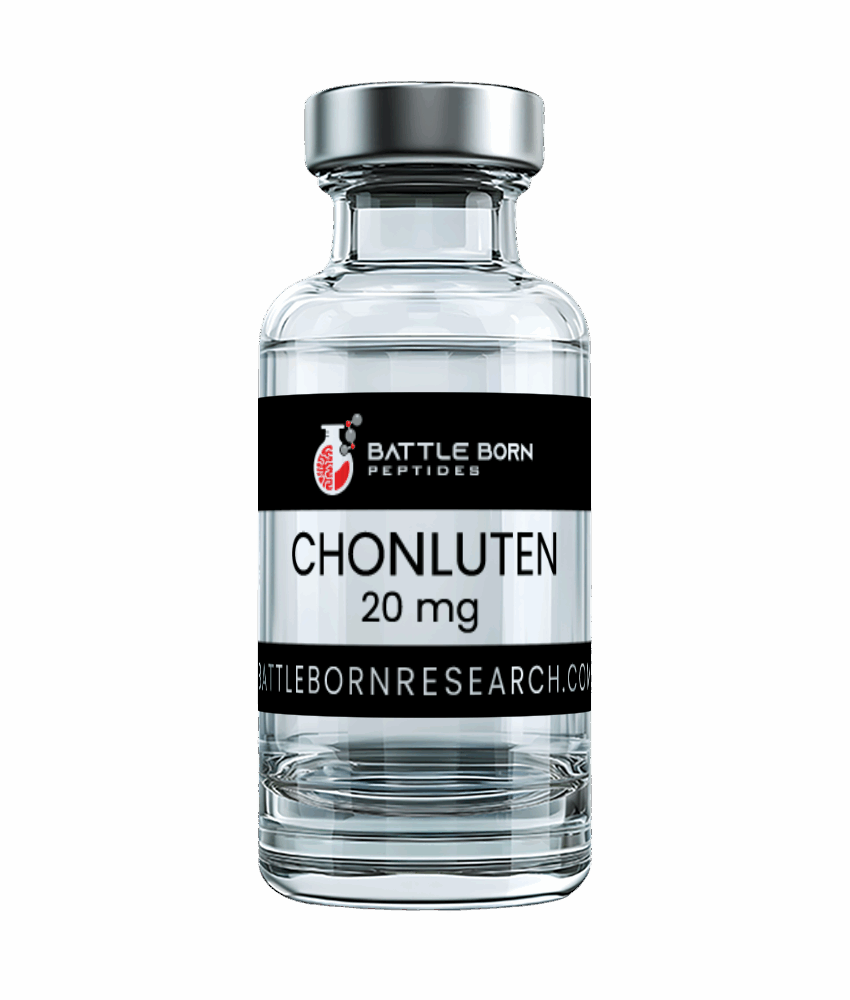
It is worth being precise about how Battle Born works, because it differs from the lot-number model. Each product is analyzed by independent reverse-phase HPLC and the result is published for that product. Testing is per product, not repeated for every production batch. Battle Born vials carry no batch or lot numbers; instead, a vial is matched to its published test by the color of its crimp and cap. The mechanics are explained in matching a vial to its published test by crimp and cap color. A purchaser should read a Battle Born result as a product-level test, not as a certificate for a numbered lot.
What a laboratory can do to keep continuity
When batch continuity matters to an experiment, the laboratory’s own records do much of the work. A short checklist:
- Record the supplier, catalog item, order date and arrival date for every receipt.
- Record whatever identifies the material to its test result, whether a lot number or a closure color, together with the published result as it stood on the day of receipt.
- Keep material from different receipts physically separate and labeled, rather than combined.
- Where a series of experiments must run on one population, buy enough for the whole series at once.
- Where comparison across receipts matters, run an in-house purity check on each receipt with the same method, so any difference is measured rather than assumed.
Record structures for purchased research materials are described further in recordkeeping for research chemical purchases.
Back to the principal investigator’s question
For the laboratory in the opening example, the honest answer is that neither the catalog listing nor the purity figure establishes that the fall material is the same population as the spring material. If the series depends on that, the options are to have bought a single larger quantity at the start, or to characterize both receipts side by side with the same method and record any difference as a variable. A number on a label, where there is one, helps trace the question. It does not answer it.
Questions
Does the same lot number guarantee identical material?
It indicates that the producer’s records assign the containers to the same population. How uniform that population really is depends on how the batch was made and filled.
Is a product-level test less useful than a lot-level certificate?
It answers a different question. A product-level result shows what the process produced when tested; a lot-level certificate describes one specific lot. Knowing which one you have is what matters.
Why might two batches with the same purity behave differently in an assay?
Purity summarizes the main peak. The identity and proportion of the minor components can differ between batches even when the headline figure is similar.
Research use only. All products supplied by Battle Born Peptides are laboratory reference materials for in-vitro research and analytical use by qualified professionals. They are not drugs, foods, dietary supplements, cosmetics or medical devices; they are not approved by the FDA or any other regulator for use in humans or animals; and they are not intended to diagnose, treat, cure, mitigate or prevent any disease, or to affect the structure or any function of the body of humans or animals. Nothing in this article is preparation, handling or dosing guidance. See our full research-use terms.