

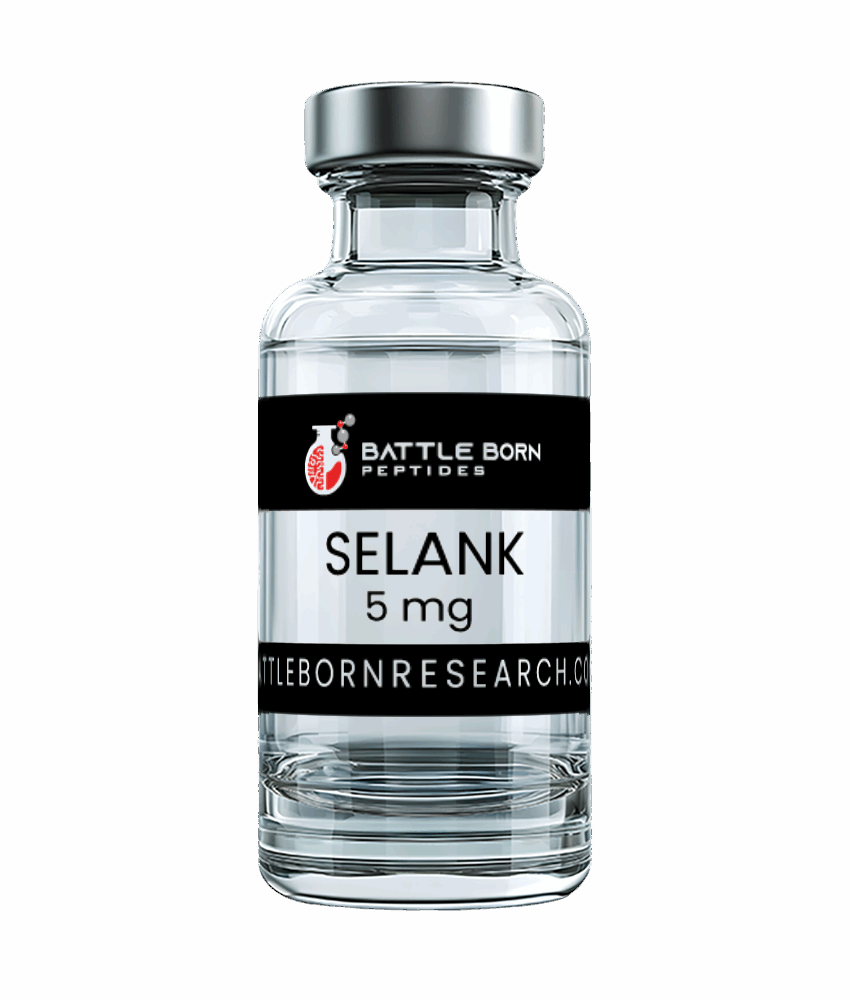
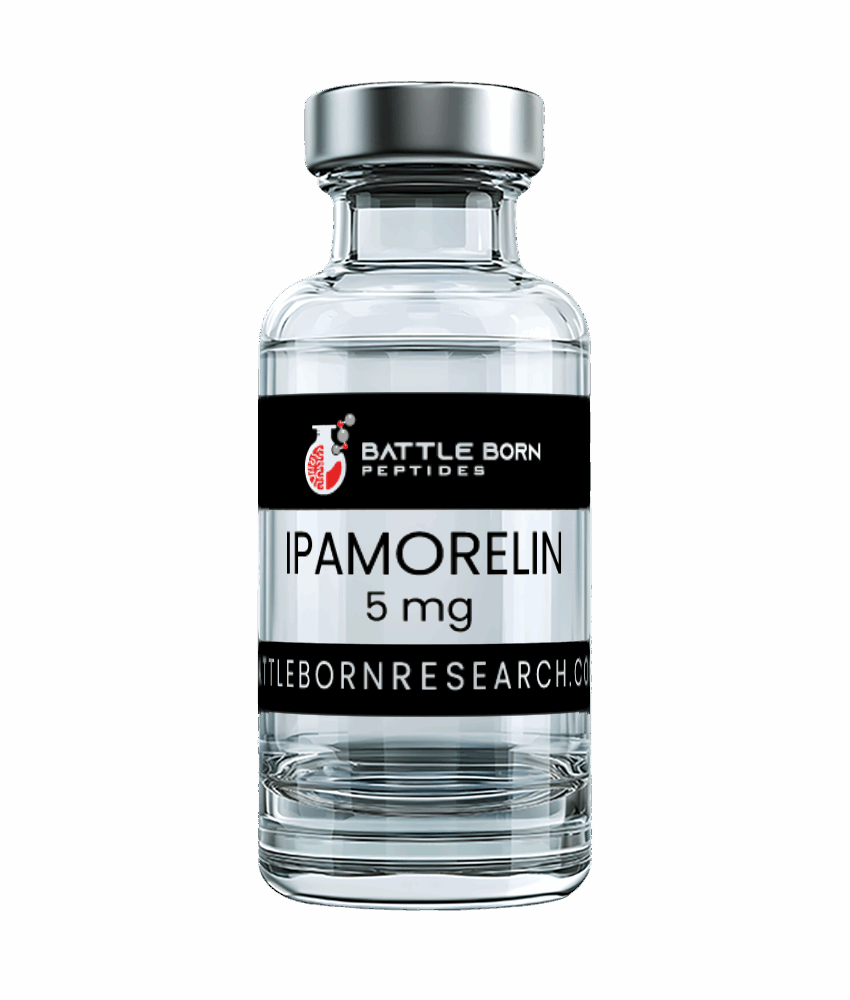

Commissioning an outside test of a research peptide produces two things: a result, and a trail of documents that connects that result to the vial you bought. Without the trail, even a well-run analysis proves little, because nobody can show that the sample tested was the material in question. This article covers the paperwork side of independent testing: what to record before submission, how blind submission works, and how to read the report that comes back.
It deliberately leaves out anything about how to open, divide or pack material; follow your institution’s procedures and the testing laboratory’s own instructions for those steps.
Documents to assemble before a sample is submitted
The documentation starts with the purchase, not the shipment to the laboratory. Before anything leaves your hands, collect in one folder:
- The order confirmation and invoice, showing supplier, product name, quantity and order date.
- A dated copy of the product listing as it appeared when you ordered, including any published purity result.
- Your receiving record: date of arrival, condition of the package and a photograph of the sealed vial as received.
- Any identifying features of the vial itself, such as label text and closure color.
These records answer the first question any reviewer will ask about an outside result, which is whether it relates to the product it is said to relate to. A structure for keeping them over time is described in our supplier qualification file guide.
Blind submission: hiding the source, not the identity
In a blind submission, the testing laboratory is not told who supplied the material. The sample is labeled with a neutral code, for example S-2026-07, and only the submitter holds the key linking that code to a supplier and order. The aim is to remove any possibility, conscious or not, that knowledge of the source influences how a borderline peak is integrated or how a report is worded.
Blind does not mean the laboratory knows nothing. For identity testing it needs the expected sequence, any terminal modifications and the expected mass, otherwise it cannot say whether the observed mass matches. Give the laboratory the chemistry and withhold the commercial context. If you are comparing several suppliers, code every sample in the same format so that none stands out.
Some groups add a further control: a second vial of the same product submitted under a different code, which shows how closely the laboratory reproduces its own result. That adds cost, so it is usually reserved for decisions where much depends on the outcome.
What goes on the submission form
A laboratory’s submission or request form becomes part of the record, and ambiguity on it is a common cause of delay. A complete form states the sample code, the tests requested, the expected sequence and molecular formula, the declared quantity, the report format required and the contact for questions. Keep a copy of the signed form and note any changes agreed by phone or email afterward. The choice of laboratory and tests is covered separately in our guide to choosing an independent lab.
A simple custody log for independent peptide testing
Formal chain-of-custody forms are routine in forensic and regulated work, and a lighter version serves a purchasing group well. Record each transfer with the date, the person releasing the sample, the person or carrier receiving it and the tracking number. Ask the laboratory to confirm receipt in writing and to state the sample code and description exactly as it arrived. The principles behind such records are set out in chain of custody for peptide samples.
Reading the report line by line
When the report arrives, check that it concerns your sample before reading the result. The table below lists the entries to verify and why each matters.
| Report entry | What to check |
|---|---|
| Sample code and description | Matches your submission form exactly |
| Dates of receipt and analysis | Consistent with your custody log |
| Method and conditions | The tests you requested, with column, gradient and wavelength stated |
| Chromatogram and peak table | Full run shown; main peak area percent agrees with the headline figure |
| Mass result | Observed value stated beside the expected value, with the type of mass given |
| Accreditation marks | Applied only to tests within the laboratory’s accredited scope |
| Remarks and deviations | Any note on sample condition or method changes |
| Approval | Named, signed approver and a unique report number |
Many reports carry a statement that results relate only to the item tested. That is accurate and important: the report describes the sample the laboratory received, and your own documents are what extend it to the vial and order it came from. The technical reading of the trace and the spectrum is covered in our explainers how to read an HPLC chromatogram and mass spectrometry for peptide identity.
Filing the result and raising discrepancies
File the report with the purchase records and the code key, so the full chain can be reconstructed later without relying on anyone’s memory. If the result differs materially from a published figure, write to the supplier with the report attached, the method details and the dates, and ask for a written response. Keep that correspondence in the same folder.
At Battle Born, the published independent reverse-phase HPLC result for a product sits on its listing page. Vials carry no lot numbers; instead, crimp and cap colors tell you which published result applies, which makes the vial photograph in your receiving record a direct link to the result you are checking against.
Frequently asked questions
Does blind submission make a test result more accurate?
Not directly. It makes the result harder to question on grounds of bias, which matters when the report is used to support a decision about a supplier.
Should I tell the laboratory the purity figure the supplier claims?
There is no need. The laboratory should report what it finds against the expected identity, without a target number in mind.
How long should testing records be kept?
Follow your institution’s retention policy. Where none applies, keeping them as long as any work that relied on the material may be reviewed is a sensible minimum.
Research use only. All products supplied by Battle Born Peptides are laboratory reference materials for in-vitro research and analytical use by qualified professionals. They are not drugs, foods, dietary supplements, cosmetics or medical devices; they are not approved by the FDA or any other regulator for use in humans or animals; and they are not intended to diagnose, treat, cure, mitigate or prevent any disease, or to affect the structure or any function of the body of humans or animals. Nothing in this article is preparation, handling or dosing guidance. See our full research-use terms.