


“Third-party tested” appears on nearly every research peptide website. It is unregulated as a phrase, costs nothing to write, and is therefore worth almost nothing on its own. Four questions restore its meaning.
Which third party?
A supplier who has commissioned independent analysis knows the name of the laboratory. One who cannot produce a name has either not commissioned it or is treating a supplier-of-a-supplier’s document as their own. Both are worth knowing before you buy.
Third party to whom?
A laboratory that is independent of the seller but owned by the manufacturer is not independent of the transaction. The point of external analysis is to remove the commercial interest in the result, and a testing arrangement inside the same corporate group does not achieve that.
Tested for what?
“Tested” is not a specification. Chromatographic purity, identity confirmation, net peptide content, water content and endotoxin are five different tests answering five different questions. A supplier who says “tested” without naming the analyte is describing an activity, not a result.
Tested when, and on what?
An analysis has a subject. If the trace was run years ago on material unrelated to what would ship to you, the document is history rather than evidence. This is where the question gets uncomfortable for many suppliers, and it is the one most worth asking.
The traceability problem, stated honestly
The hardest version of “tested when, and on what” is how a vial in your hand connects to a document you were shown. Many suppliers imply lot-level traceability without any mechanism that would deliver it.
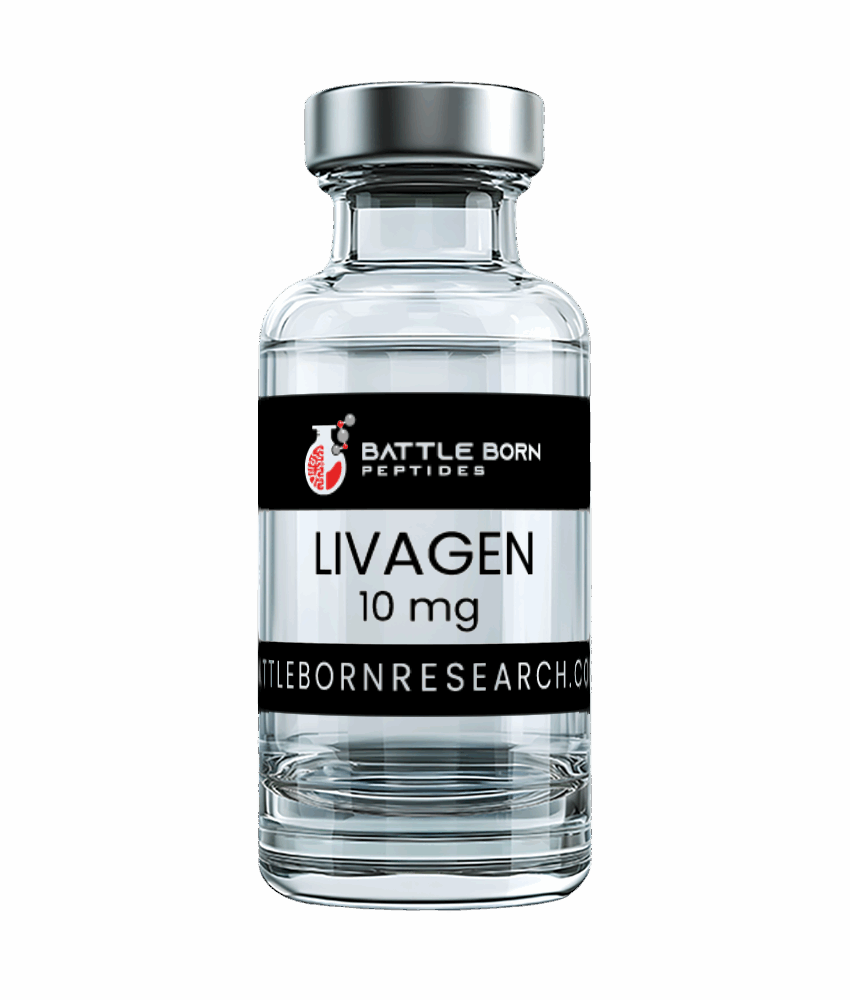
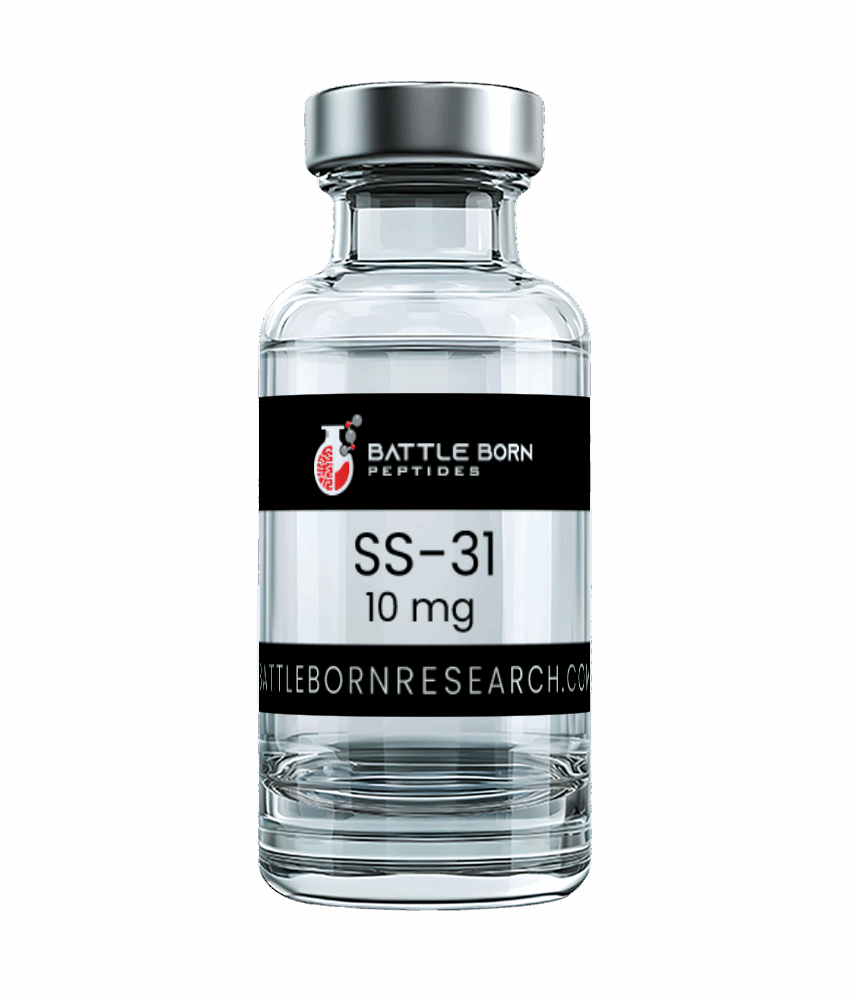
Our position is specific and includes its own limit. Each product in the catalogue is analysed by an independent laboratory using reverse-phase HPLC, and the result is published on that product’s page. Our vials carry no batch or lot numbers; a vial is matched to its published test by crimp and cap colour. That is a real mechanism with a real boundary, and we would rather describe it accurately than imply a paperwork trail we do not maintain.
Why the honest version is more useful
A purchaser can work with a known limitation. A purchaser cannot work with a certificate that turns out not to correspond to anything — and by the time that is discovered, it is usually in the middle of a question about a result. Ask the four questions. The pattern of answers tells you more than any of them individually.
Research use only. All products supplied by Battle Born Peptides are laboratory reference materials for in-vitro research and analytical use by qualified professionals. They are not drugs, foods, dietary supplements, cosmetics or medical devices; they are not approved by the FDA or any other regulator for use in humans or animals; and they are not intended to diagnose, treat, cure, mitigate or prevent any disease, or to affect the structure or any function of the body of humans or animals. Nothing in this article is preparation, handling or dosing guidance. See our full research-use terms.