


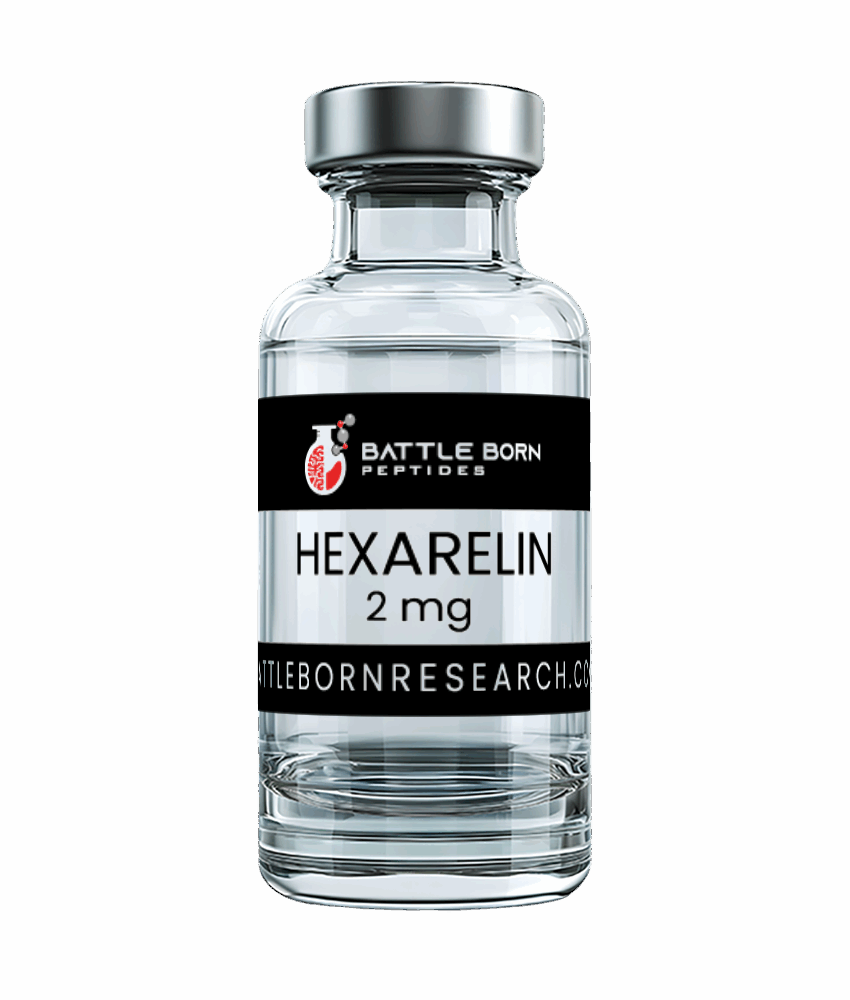
A parcel of freeze-dried peptide reference material is delivered to a university receiving dock on a hot July afternoon and sits there for several hours before a technician collects it. The box is warm to the touch. The researcher who ordered it has two instincts pulling in opposite directions: reject the shipment because it was not kept cold, or accept it because it is only a few hours. Neither instinct is an analysis. Whether a temperature excursion in transit matters depends on the physical state of the material, the shape of the temperature profile, and whether the container stayed sealed.
Why the average temperature of a journey is misleading
Chemical degradation does not respond to temperature in a straight line. Reaction rates rise roughly exponentially as temperature increases, so a short period at a high temperature contributes far more degradation than the same period at a moderate temperature takes away. Averaging a temperature log throws that information away.
The standard way to handle this is mean kinetic temperature (MKT): the single constant temperature that would produce the same total degradation as the actual fluctuating profile. Because of the exponential weighting, MKT is always at or above the simple arithmetic mean, and the gap grows as the excursions become sharper. A shipment whose logger averages a comfortable figure but shows brief spikes to a much higher one can have an MKT well above that average. The practical lesson is that one short, severe excursion can matter more than a long, mild warm period.
Why a dry solid tolerates what a solution cannot
Most routes by which peptides degrade need water. Hydrolysis of peptide bonds consumes it directly. Deamidation proceeds through a pathway that depends on a hydrated environment. Disulfide exchange requires molecular mobility that a dry solid largely lacks. Remove the water and these reactions slow dramatically, by orders of magnitude in many cases.
That is why a well-dried lyophilized cake is far more tolerant of warmth than the same peptide in solution. Changes that a solution shows within hours may take days in a properly dried solid at ordinary room temperature. The science of the freeze-dried state is summarized in what is a lyophilized peptide.
There is an important qualification. Low residual moisture is a property of a particular lot, not a guarantee for every freeze-dried product. A cake that collapsed during drying, or that left the freeze-dryer under-dried, holds more water and has correspondingly less tolerance for heat in transit.
The situations that actually cause damage
A brief warm period against a sealed, dry container is rarely significant. Attention is better spent on the combinations that are:
| Situation | Why it matters | What to record on receipt |
|---|---|---|
| Heat combined with a compromised seal | Humidity can enter, and warmth then acts on a moist solid; the pairing does the harm, not temperature alone | Condition of crimp and closure; any looseness or damage |
| Cold solid exposed to warm, humid air | Condensation forms on cold surfaces and can be taken up by a hygroscopic solid | Arrival temperature of the package and time of opening |
| Prolonged exposure | Weeks in a hot depot are a different case from a two-day transit | Ship date, delivery date and any tracking delays |
| Visible change in the solid | Collapse, shrinkage or discoloration may indicate moisture or heat history | Appearance of the cake, ideally photographed |
What a receiving laboratory can reasonably decide
For the technician on the dock, the useful sequence is to document before judging. Note the arrival date and time, the outside condition of the package, the state of each container’s closure and the appearance of the solid. Compare the delivery date against the ship date from the tracking record. A short domestic transit with intact seals and a normal-looking solid is a very different case from a delayed parcel with a loose crimp and a shrunken cake. A structured receiving routine is described in what to check when a peptide order arrives.
Where there is genuine doubt, the decisive evidence is analytical rather than anecdotal. A purity run on the received material, compared with the published result, shows whether measurable change occurred. Many laboratories set a written internal rule in advance for which situations trigger that check, so that the decision does not depend on who happens to be on the dock that day.
Transit length is part of the equation
Because exposure time matters as much as peak temperature, the distance and routing of a shipment are relevant to risk. A domestic shipment with tracking typically spends less time in the carrier network, and its progress can be followed, than an international consignment that may wait in customs. Battle Born ships domestically within the USA with tracking, and orders over $100 ship free. The broader trade-offs are discussed in domestic vs overseas peptide suppliers.
What cold-chain language does and does not promise
Terms such as “cold chain” and “temperature-controlled” describe packaging and logistics choices, not measured outcomes. Without a data logger in the package, nobody knows the actual profile of a given shipment. Conversely, the absence of refrigerated packaging does not by itself mean a dry solid was harmed. The honest position is that stability in transit is a question about the material’s physical state and the real exposure it experienced, and the laboratory’s own receipt records and, when needed, its own analysis are the evidence that settles it.
Questions
Is mean kinetic temperature the same as average temperature?
No. It weights higher temperatures more heavily because degradation rates rise exponentially with temperature, so it is always at least as high as the arithmetic mean.
Does a warm package mean the material has degraded?
Not necessarily. For a sealed, well-dried solid, a short warm period is unlikely to cause measurable change. Seal condition, cake appearance and exposure time are more informative than warmth alone.
How can a laboratory know for certain?
By measuring. A purity analysis of the received material, compared with the published result for that product, shows whether any change is large enough to detect.
Research use only. All products supplied by Battle Born Peptides are laboratory reference materials for in-vitro research and analytical use by qualified professionals. They are not drugs, foods, dietary supplements, cosmetics or medical devices; they are not approved by the FDA or any other regulator for use in humans or animals; and they are not intended to diagnose, treat, cure, mitigate or prevent any disease, or to affect the structure or any function of the body of humans or animals. Nothing in this article is preparation, handling or dosing guidance. See our full research-use terms.