
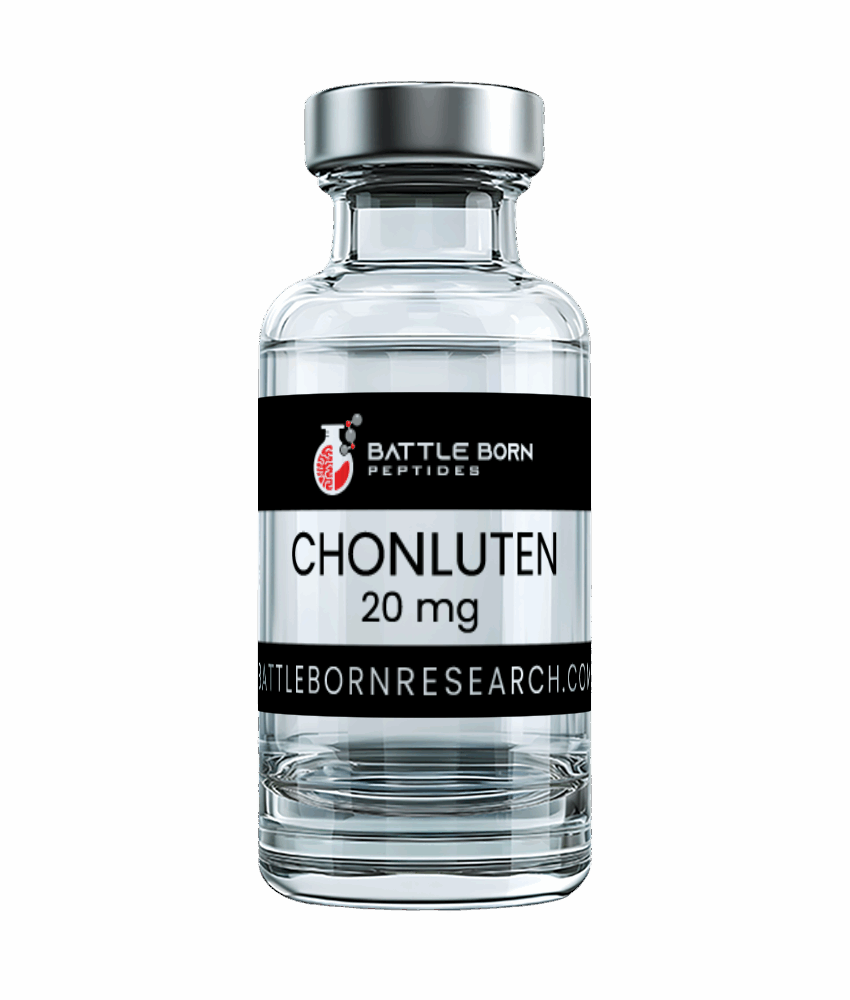


Two suppliers quote the same compound at the same nominal vial size and the prices differ by 40%. Before concluding anything about value, four adjustments are needed, and applying them frequently reverses which offer is cheaper.
1. Adjust for net peptide content
Price per vial is price per mass in the vial, and mass in the vial is not mass of peptide. A 5 mg vial at 90% net peptide content holds 4.5 mg of peptide; the same nominal vial at 75% holds 3.75 mg. That is a 20% difference in what you are actually buying, invisible in the headline price and usually larger than the discount being advertised.
If a supplier does not publish net peptide content, you cannot make this adjustment, and the correct conclusion is that the quote is not comparable rather than that it is competitive.
2. Adjust for purity, and for the method behind it
A purity figure is method-dependent. A shallow gradient at 214 nm produces a harder number than a steep gradient at 280 nm on identical material. Comparing two percentages without comparing two methods is comparing two different measurements.
3. Price the evidence
An offer that includes a published independent analysis, readable before purchase, is a different product from one that includes a certificate promised afterwards. If you would otherwise commission your own verification, the cost of that verification belongs in the comparison — and it is usually larger than the price gap between the two quotes.
4. Price the delivery risk
Domestic dispatch with tracking and a 1–5 day lane is not the same service as an international shipment with an unpredictable customs step. For time-bound work, the value of that difference is not the shipping fee; it is the cost of an instrument slot or a cell passage missed while a package sits in clearance.
Putting it together
The adjusted comparison is: price divided by actual peptide mass, at a purity measured by a disclosed method, with the analysis available before the decision, delivered on a lane you can plan around. Very few quotes survive that arithmetic in the order they arrived in.
The one that is hardest to price
Regulatory exposure. A supplier who publishes usage claims or dosing guidance is generating evidence of intended use, and enforcement against them interrupts your supply and puts your purchase records in scope. That risk does not appear on any quote, and it is the reason the cheapest line item is sometimes the most expensive decision in the file.
Research use only. All products supplied by Battle Born Peptides are laboratory reference materials for in-vitro research and analytical use by qualified professionals. They are not drugs, foods, dietary supplements, cosmetics or medical devices; they are not approved by the FDA or any other regulator for use in humans or animals; and they are not intended to diagnose, treat, cure, mitigate or prevent any disease, or to affect the structure or any function of the body of humans or animals. Nothing in this article is preparation, handling or dosing guidance. See our full research-use terms.