
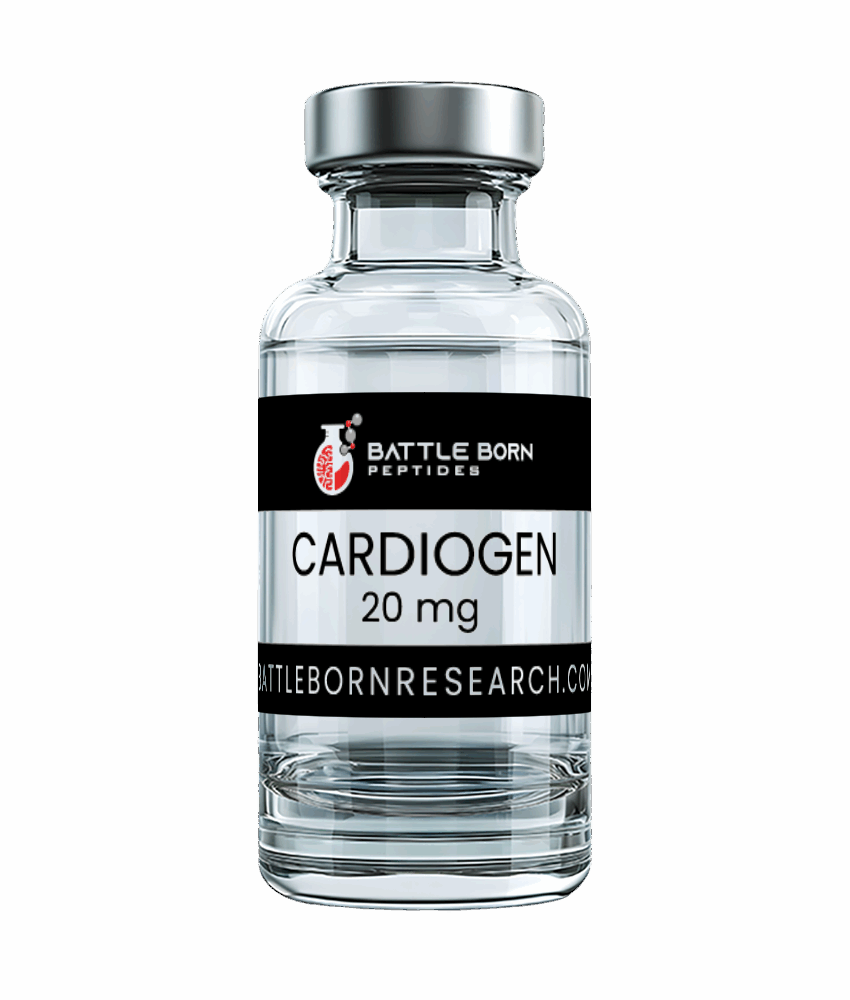

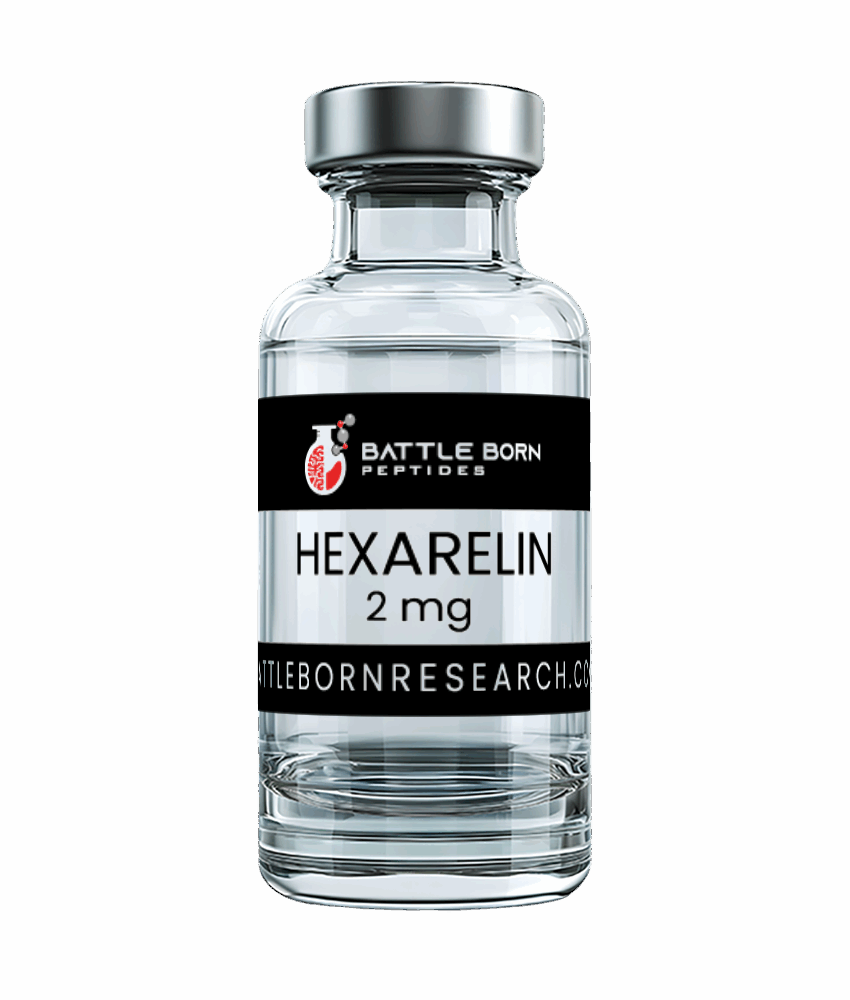

If your institution has a formal supplier qualification process, this will be familiar. If it does not, a lightweight version is still worth keeping, because the questions an auditor or a reviewer asks are the same either way: what was the material, where did it come from, and what evidence do you have about it.
Supplier-level records
Kept once per supplier and reviewed periodically: legal entity name and address, country of dispatch, stated eligibility restrictions on who they sell to, written terms of sale including the remedy for non-conforming material, and the identity of any independent analytical laboratory they use.
The terms of sale matter more than they appear to. They are where you discover whether a guarantee is tied to a specific measurable figure or is a general expression of goodwill, and whether the supplier disclaims things your institution assumes.
Product-level records
Kept per product: compound name, sequence, the published analytical result and the method behind it, net peptide content, counter-ion form, and nominal vial size. This is the set that makes a molarity calculation reconstructable by someone who was not there.
Order-level records
Kept per order: date, order and invoice reference, exactly what shipped in what quantity, and the date received. Attach the product-level analysis to the order record rather than assuming it can be found later. Suppliers change catalogues; pages move.
The traceability question, and how to record a limitation
Somewhere in the file you need an answer to: how does a physical vial connect to the analysis on record? Some suppliers use lot numbers on the label. Some, including us, do not. Our vials carry no batch or lot identifiers, and a vial is matched to its published test by crimp and cap colour.
A stated limitation is a usable record entry. Write it down as it is. An auditor can evaluate a documented constraint; what they cannot evaluate is a claim of traceability with no mechanism behind it, and discovering that gap during an audit is considerably worse than having recorded it in advance.
What to do when a supplier cannot provide something
Record the gap rather than leaving the field blank. “Net peptide content not provided by supplier” is information; an empty field is ambiguity. It also creates the paper trail that justifies a decision later — either to accept the gap for a given use, or to source elsewhere.
Review triggers
Re-open a supplier file when the supplier changes their published analysis or terms, when your own testing disagrees with theirs, when a shipment arrives non-conforming, or on a fixed interval if your institution sets one. Nothing here needs to be elaborate; it needs to exist before someone asks for it.
Research use only. All products supplied by Battle Born Peptides are laboratory reference materials for in-vitro research and analytical use by qualified professionals. They are not drugs, foods, dietary supplements, cosmetics or medical devices; they are not approved by the FDA or any other regulator for use in humans or animals; and they are not intended to diagnose, treat, cure, mitigate or prevent any disease, or to affect the structure or any function of the body of humans or animals. Nothing in this article is preparation, handling or dosing guidance. See our full research-use terms.