
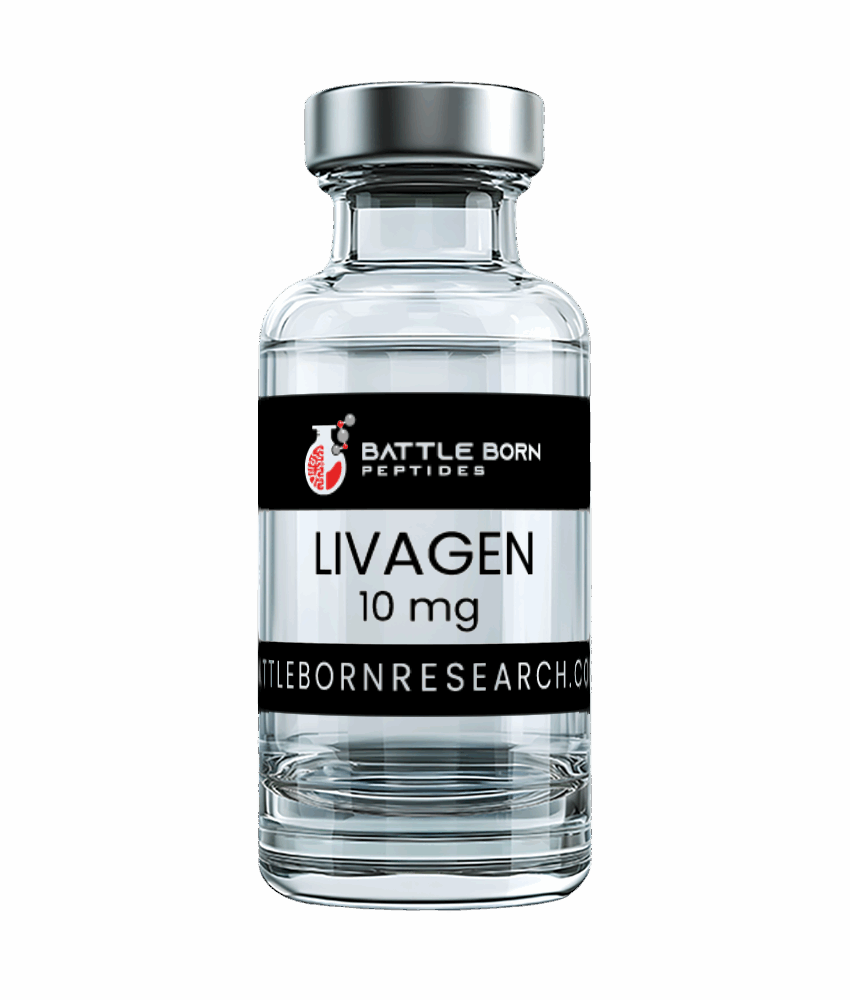

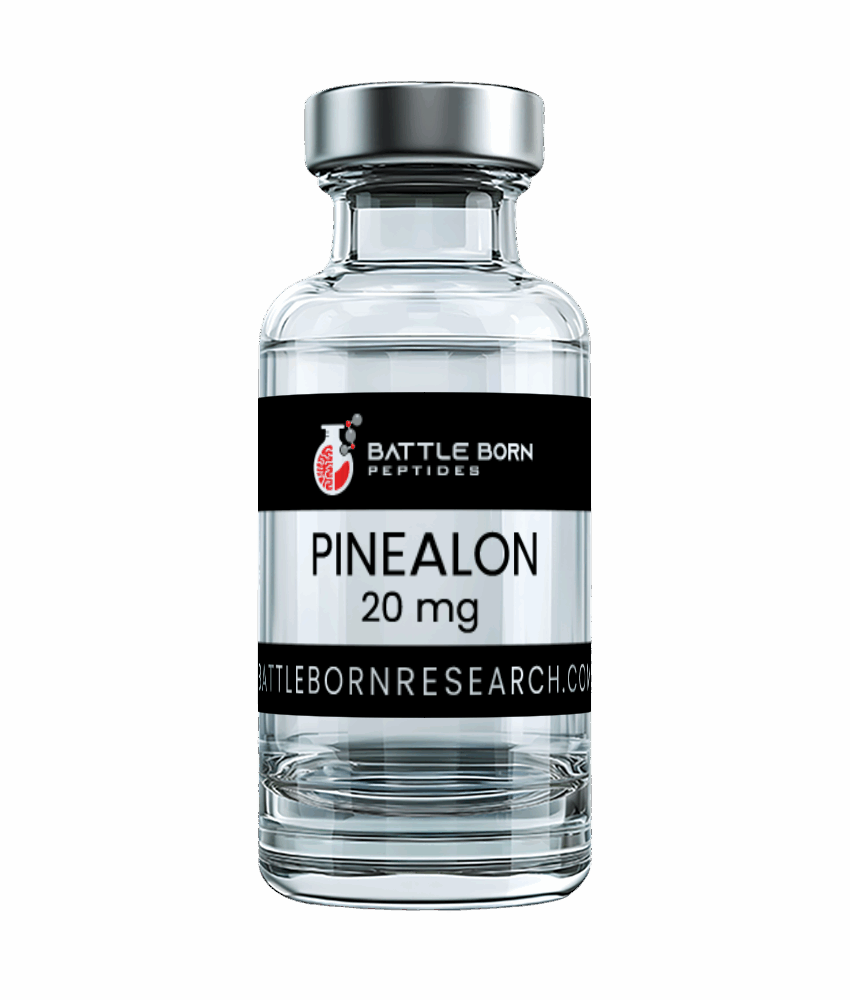
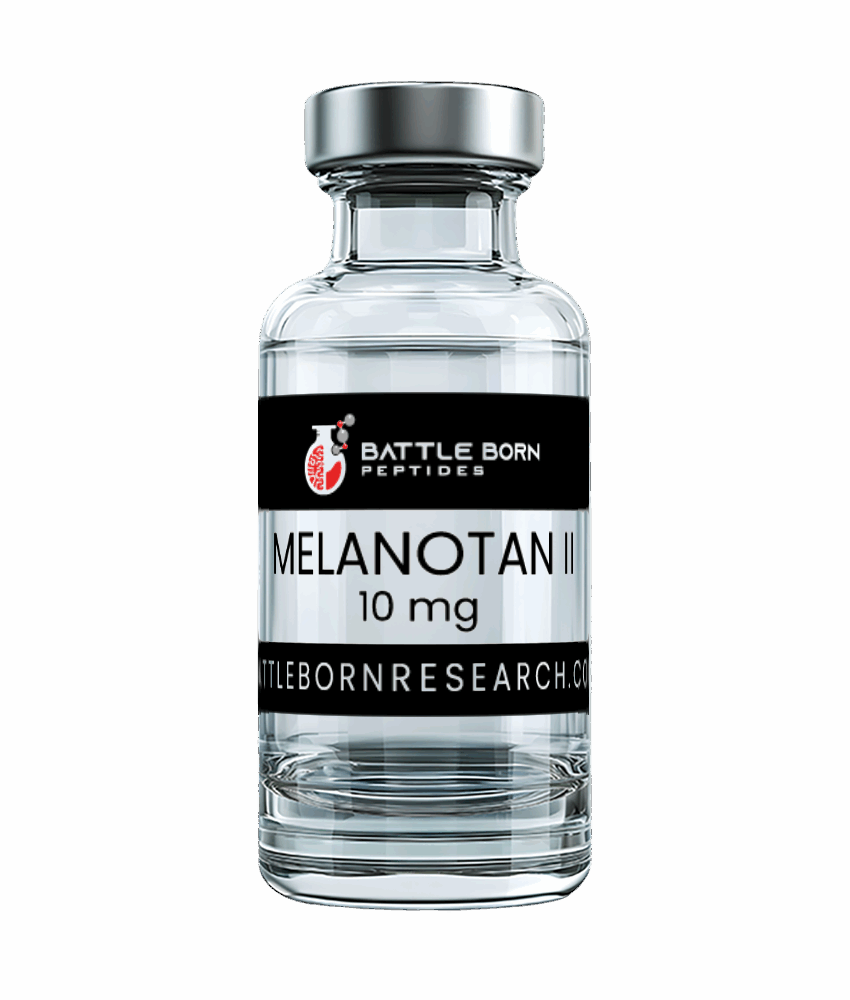
Every analytical result is only as useful as the link between it and the material in front of you. This article explains how a vial supplied here is matched to its published test, how that compares with the lot-number traceability used elsewhere in the reference-materials world, and what the approach does and does not tell a purchaser. It makes no claim about what any compound does and contains no preparation, handling or dosing guidance.
How lot traceability normally works
Across much of the reference-materials world, material is made in discrete batches and each batch is given a lot or batch number. That number is printed on every container from the batch and appears on a certificate of analysis issued for that batch. The chain runs from container label, to lot number, to the certificate for that lot, to the analytical data behind it. If a question arises later, the lot number lets producer and purchaser identify every container made from the same material and the specific test that applies to it.
Lot-specific certificates are standard practice for accredited reference-material producers, and the model is worth understanding. It is not the only way to connect a container to data, though, and it helps to know exactly which link each system provides.
How crimp and cap colour matching works here
Battle Born vials carry no batch or lot numbers. Instead, each product is tested by independent reverse-phase HPLC and the result is published for that product. A vial is matched to its published test by the colour of its crimp and cap: the combination identifies which published test the vial corresponds to, and a purchaser can compare the vial in hand against it.
Testing is per product. Not every production batch is tested individually, and the published result belongs to the product rather than to a particular batch. Stating that clearly matters more than any detail of the colour scheme, because it defines what the published result can be relied on for.
What this approach tells a purchaser
- The product has been independently analysed. An outside laboratory has run reverse-phase HPLC on it, and the result can be read before ordering rather than requested afterwards. Our article on what third-party tested means explains what that independence does and does not establish.
- The vial can be tied to that result. Matching crimp and cap colour connects the vial in hand to the published test for its product.
- The analysis can be judged on its merits. Because the result is published, a reader can look at the method, the retention time and the purity figure, and decide whether they meet their own requirements.
What it does not tell a purchaser
Stated plainly:
- It is not a lot-specific certificate. Because testing is per product rather than per batch, the published result is not a measurement of the particular batch a given vial came from, unless that batch happens to be the one tested.
- Colour identifies the product’s test, not the batch. Two vials with the same crimp and cap colour are not thereby shown to come from the same production run.
- There is no printed batch identifier. A purchaser who needs to distinguish one batch from another cannot do so from the label.
For many purchasers, a per-product published test that can be read before ordering is exactly the information they want. Where a study design or an internal quality system requires batch-level documentation, that is a requirement worth identifying before choosing a supplier, and knowing precisely what each supplier’s documentation covers is part of doing that well.
What to check when a vial arrives
A short check on arrival makes the matching useful in practice. Our article on what to check when a peptide order arrives covers the full list; the points specific to crimp and cap matching are:
- The product name and labelled mass match what was ordered.
- The crimp and cap colour match those identified for the product’s published test.
- The crimp is intact and the seal unbroken.
- The contents look as expected for a lyophilised material: a dry powder or cake, not a liquid.
- A note is made of what arrived, when, and which published test it was matched to, so the record can be found again later.
If anything does not match, raise it with us before going further, with the order number and a clear photograph of the vial showing the crimp and cap.
Why a published test is useful before ordering
A result that is published before purchase changes the order of events. Instead of buying first and then requesting a certificate in the hope that it applies, a purchaser can read the analysis, check the method and detection wavelength, look at the chromatogram and the purity figure, and decide whether the product meets their requirements before any money changes hands.
It also makes suppliers comparable. A published chromatogram can be read against another supplier’s on the same terms, and a supplier that publishes nothing gives a purchaser nothing to compare. A certificate available only on request, or only after purchase, cannot do that job.
Products in the shop are supplied as a lyophilised powder in a sealed vial, with the vial size listed on the product page and the independent HPLC result published for that product.
Frequently asked questions
Do Battle Born vials have lot numbers?
No. Vials carry no batch or lot numbers. Each vial is matched to its published test by crimp and cap colour.
Is every production batch tested?
No. Testing is per product. Each product is tested by independent reverse-phase HPLC and the result is published for that product.
What does a matching crimp and cap colour confirm?
That the vial corresponds to the published test for its product. It does not identify the production batch the vial came from.
Can I read the test before I order?
Yes. The result is published for each product, so it can be reviewed before purchase rather than requested afterwards.
Research use only. All products supplied by Battle Born Peptides are laboratory reference materials for in-vitro research and analytical use by qualified professionals. They are not drugs, foods, dietary supplements, cosmetics or medical devices; they are not approved by the FDA or any other regulator for use in humans or animals; and they are not intended to diagnose, treat, cure, mitigate or prevent any disease, or to affect the structure or any function of the body of humans or animals. Nothing in this article is preparation, handling or dosing guidance. See our full research-use terms.