


The Toxic Substances Control Act (TSCA) is the main US federal law governing industrial and commercial chemicals, and it applies to many materials that research laboratories buy every week. One of its provisions, the research-and-development exemption, explains why a laboratory can obtain a compound that has never been through the new-chemical review process that commercial chemicals face. It is also widely misunderstood, both by buyers who think it is a general license and by those who think it has nothing to do with them.
This article is a plain-language orientation to what the exemption covers and what it does not. It is not legal advice. Anyone making a compliance decision should consult their institution’s environmental health and safety (EHS) or regulatory affairs office.
Where TSCA begins and the drug laws end
TSCA defines a “chemical substance” broadly, then carves out categories governed by other statutes. Among the exclusions are foods, drugs, cosmetics and devices as defined in the Federal Food, Drug, and Cosmetic Act, when manufactured, processed or distributed for those purposes. Pesticides and tobacco are also excluded, among others. The practical consequence is that a synthetic peptide sold for laboratory research, and not for any use regulated by FDA, generally falls within TSCA’s scope as a chemical substance. Which regime applies depends on the intended use, a question explored in how intended use is established.
New chemicals and premanufacture notice
EPA maintains the TSCA Chemical Substance Inventory, a list of substances manufactured or imported in the United States. A substance on the Inventory is an existing chemical; one that is not listed is a new chemical. Before a company manufactures or imports a new chemical for a non-exempt commercial purpose, TSCA section 5 generally requires it to submit a premanufacture notice (PMN) to EPA and wait for EPA’s review. The Frank R. Lautenberg Chemical Safety for the 21st Century Act, enacted in 2016, strengthened that review by requiring EPA to make an affirmative determination on each new chemical.
Many research compounds are not on the Inventory, and a given synthetic peptide may well be among them. Without an exemption, each such compound would need a PMN before it could be made or imported, which would make small-scale research impractical. Listing status can be checked in the public version of the Inventory that EPA publishes, although entries claimed as confidential appear there only under generic names.
What the TSCA R&D exemption covers
The exemption appears in the statute at TSCA section 5(h)(3), codified at 15 U.S.C. 2604(h)(3), and EPA’s implementing rule for new chemicals is at 40 CFR 720.36. In outline, it relieves a manufacturer or importer of the PMN requirement for a new chemical substance that is:
- manufactured or imported only in small quantities, meaning no more than is reasonably necessary for the research purpose;
- used solely for research and development, which includes scientific experimentation, analysis and chemical research on the substance or on other substances; and
- handled under conditions in which the people engaged in the research are informed of any known or reasonably ascertainable risks.
The regulation also expects the work to be done by, or under the supervision of, a technically qualified individual. The exemption is conditional: if the conditions stop being met, it stops applying.
Conditions that decide whether the exemption holds
| Condition | What it means in practice |
|---|---|
| Small quantities | No fixed number; the amount must be justifiable by the research purpose |
| Solely for R&D | Any non-research use of the material, including resale into a non-research market, falls outside |
| Risk notification | The manufacturer or importer communicates known hazards, commonly through labels and safety data sheets |
| Qualified supervision | Work is directed by someone with the training to evaluate and manage the risks |
The risk notification condition overlaps with, but does not replace, OSHA’s Hazard Communication Standard, discussed in OSHA hazard communication for research chemicals, and with the role of safety data sheets for research peptides.
What the exemption does not do
The R&D exemption is narrow in several ways that matter to purchasers:
- It exempts from the PMN requirement only. Other TSCA obligations, such as recordkeeping, import certification and export notification rules, may still apply depending on the activity.
- It says nothing about other laws. It does not make a compound lawful to possess where the Controlled Substances Act or state law restricts it; that is a separate check, outlined in checking controlled substance status in the USA.
- It does not authorize any use in people or animals, and it has no bearing on FDA’s jurisdiction over drugs.
- It is not a quality statement. A compound supplied under the exemption has not been reviewed by EPA for identity, purity or safety.
Why suppliers ask purchasers about research use
The PMN obligation, and therefore the exemption, falls mainly on the manufacturer or importer. But the condition that the material be used solely for research depends on what happens after sale. That is one reason suppliers of research chemicals ask customers to confirm research use, restrict resale and include research-use statements on labels and documents. The same logic appears in what research use only means. A purchaser’s own records of what was bought, by whom and for which project support the same picture from the other side.
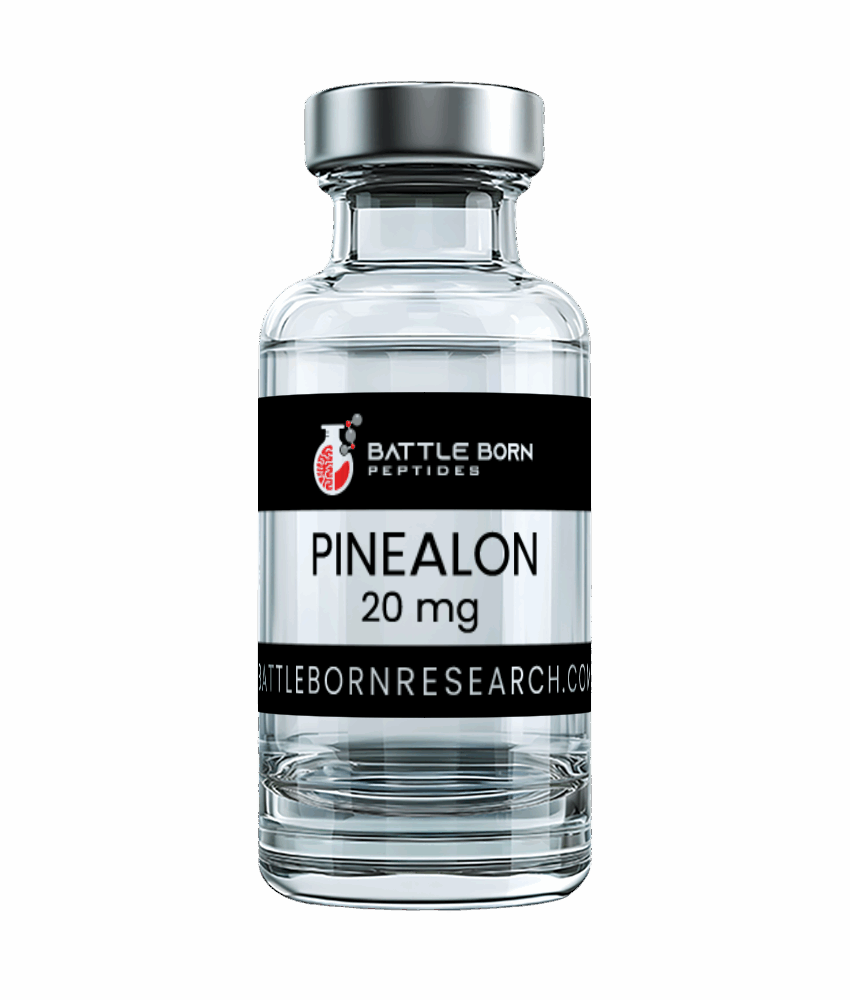
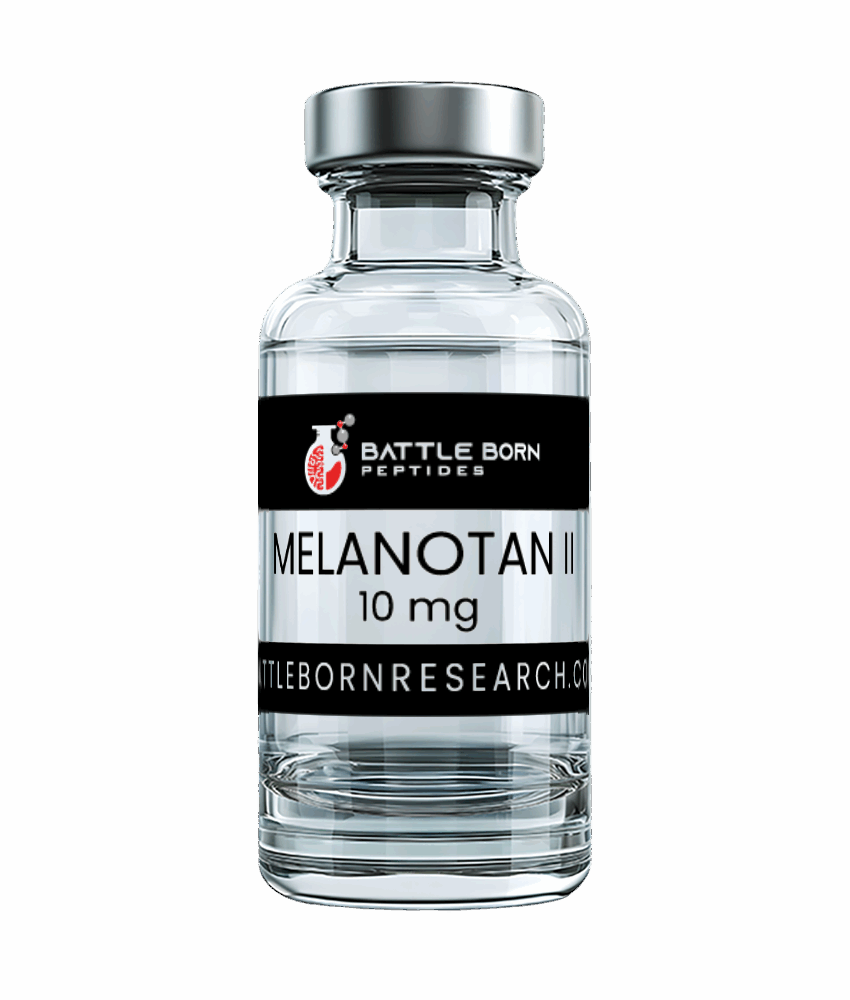
Battle Born supplies its peptides as laboratory reference materials on those terms. Every listing displays the independent reverse-phase HPLC analysis of the product concerned, and vials carry crimp and cap colors that link them to it instead of lot numbers.
Frequently asked questions
Does the TSCA R&D exemption apply to a laboratory that only buys chemicals?
The PMN obligation rests on manufacturers and importers. A purchasing laboratory still has to keep its use within research and should confirm any obligations of its own with its EHS or regulatory office.
Is there a maximum quantity under the exemption?
No fixed figure applies. The quantity must be no greater than reasonably necessary for the research purpose, which is judged case by case.
Does the exemption mean EPA has approved a research chemical?
No. It means the substance was not required to go through premanufacture review for that research activity. It implies nothing about safety, identity or purity.
Research use only. All products supplied by Battle Born Peptides are laboratory reference materials for in-vitro research and analytical use by qualified professionals. They are not drugs, foods, dietary supplements, cosmetics or medical devices; they are not approved by the FDA or any other regulator for use in humans or animals; and they are not intended to diagnose, treat, cure, mitigate or prevent any disease, or to affect the structure or any function of the body of humans or animals. Nothing in this article is preparation, handling or dosing guidance. See our full research-use terms.