
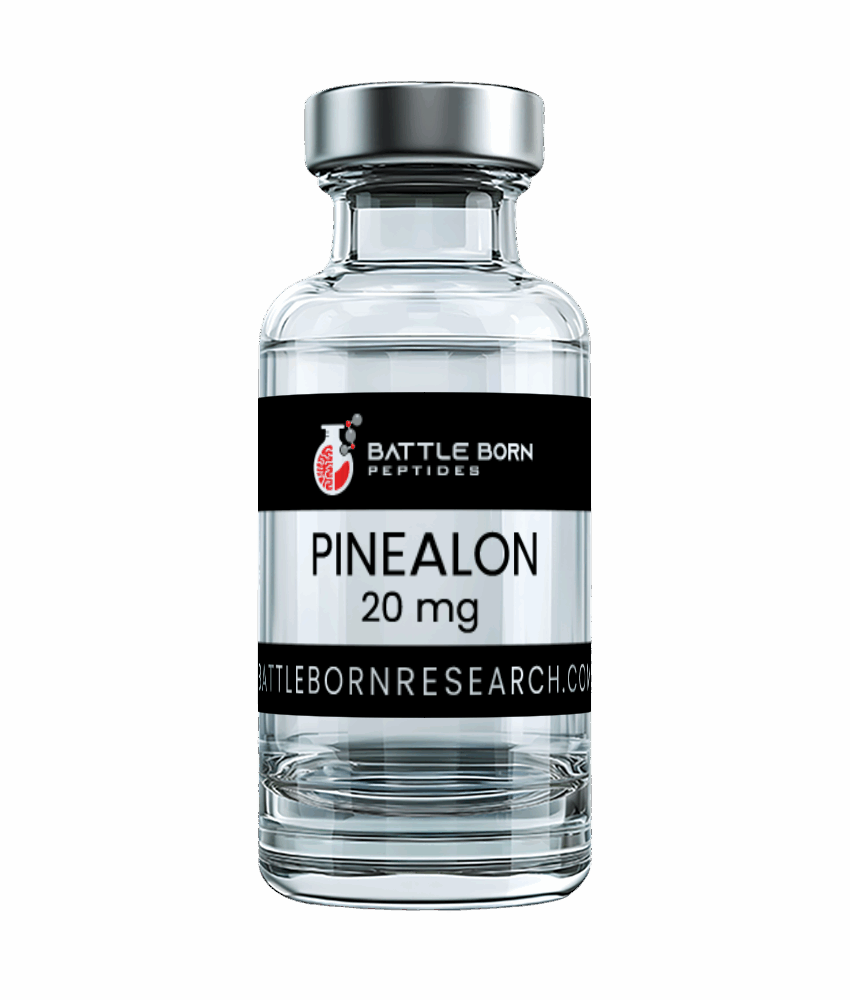
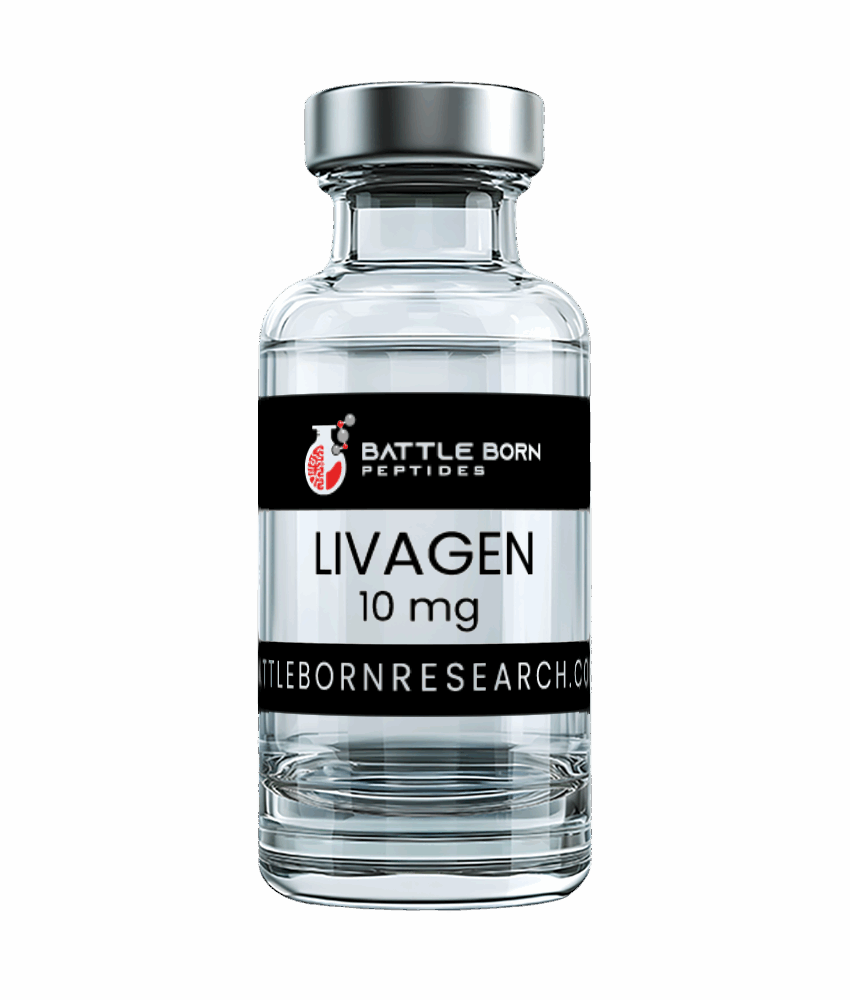

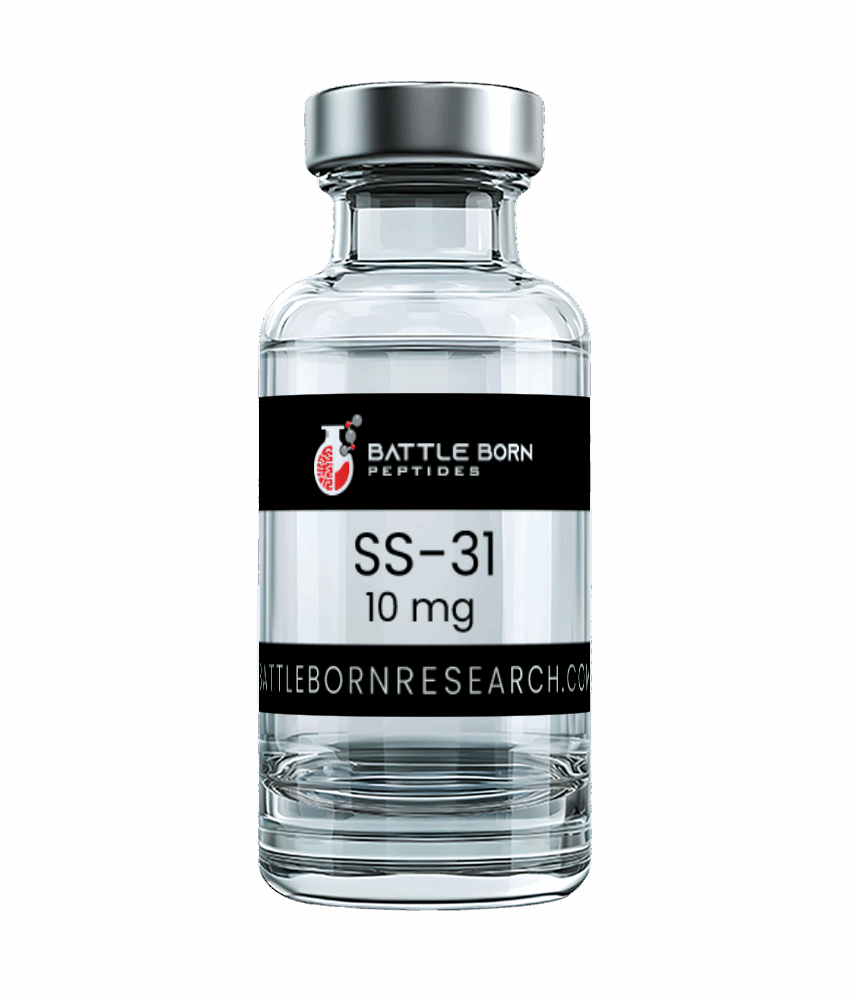
A small parcel arrives at a university core facility. The paperwork is in order, the vial’s crimp and cap color match the published test for the product, and the label shows a product name, a quantity and a research-use-only statement. It shows no pictogram, no signal word and no hazard statements. The facility manager, facing a safety walkthrough next week, asks whether that label is deficient, and if so, whose problem it is.
The answer comes from two federal OSHA rules and from one distinction that is easy to blur. The duties attached to a chemical before it ships belong mostly to the supplier. The duties attached to a chemical once it is inside a workplace belong to the employer.
The two rules that matter
The general rule is the Hazard Communication Standard, 29 CFR 1910.1200. It is aligned with the Globally Harmonized System (GHS). It requires chemical manufacturers and importers to classify the hazards of the chemicals they produce or import, and requires manufacturers, importers and distributors to send labels and safety data sheets with hazardous chemicals. Employers have separate duties: a written program, workplace labels, access to safety data sheets, and training.
The second rule is the Laboratory Standard, 29 CFR 1910.1450, which covers occupational exposure to hazardous chemicals in laboratories. Where a laboratory falls within its scope, most of the employer-side hazard communication program is replaced by a written Chemical Hygiene Plan. The supplier-side duties do not change at all: a laboratory buyer is still a customer receiving a shipped container.
Classification decides whether a label is required
A supplier label with pictograms and hazard statements is required when a product is a hazardous chemical, and a product is a hazardous chemical when the available evidence places it in at least one hazard class defined by the standard. Classes range from physical hazards such as flammability to health hazards such as acute toxicity, sensitization and mutagenicity.
Classification is an evaluation of data against criteria. For many research peptides there is very little data: no acute toxicity studies, no sensitization results. A product in that position may not be classified into any hazard class, and so may ship without the full GHS label elements.
That outcome needs to be read carefully. An unclassified research material is not a material shown to be harmless. It is a material for which nobody has generated the evidence a classification would need. When hazard data are thin, local handling practice has to carry more of the load.
What a shipped-container label carries when one is required
When a chemical is classified as hazardous, the label on the shipped container is not a matter of design preference. The standard lists its elements.
| Label element | What to look for on receipt |
|---|---|
| Product identifier | A name or code that matches the safety data sheet and the order paperwork |
| Signal word | “Danger” for the more severe categories, “Warning” for the less severe |
| Hazard statements | Standardized phrases describing the nature of each classified hazard |
| Pictograms | Black symbols in red-bordered diamonds, one for each applicable hazard type |
| Precautionary statements | Recommended measures for prevention, response, storage and disposal of the chemical |
| Responsible party | Name, address and telephone number of the manufacturer, importer or other responsible party |
A pictogram alone is not a complete shipped-container label, and a pictogram on a product that was never classified makes a hazard claim nobody can support.
There is no general exemption for sales to laboratories
The claim that chemicals sold to laboratories are exempt from hazard communication is, as a general statement, wrong. The standard applies to hazardous chemicals known to be present in the workplace in a manner that could expose employees, and a commercial sale of a hazardous chemical to a laboratory is still a sale by a manufacturer, importer or distributor. The ordinary shipped-container label and safety data sheet obligations apply.
What laboratories do receive is a lighter set of employer duties under the Hazard Communication Standard, with the Laboratory Standard supplying the rest. Three obligations remain in place and are the ones most often missed in a small laboratory:
- Labels on incoming containers must not be removed or defaced.
- Safety data sheets received with incoming shipments must be kept and made readily accessible to staff while they work.
- Staff must be given information and training about the hazards of the chemicals in their work area.
The standard also has a narrow provision for chemicals made in a laboratory for that laboratory’s own research and not distributed commercially. It does not cover a catalog item bought from a supplier.
The Chemical Hygiene Plan does the local work
Under the Laboratory Standard, the written Chemical Hygiene Plan is where a laboratory records how it actually controls exposure. The plan sets out standard operating procedures for work with hazardous chemicals, criteria for control measures such as fume hoods, training arrangements, work requiring prior approval, and extra protections for particularly hazardous substances. It also designates a Chemical Hygiene Officer or equivalent person responsible for the plan.
For data-poor research materials, the plan is the natural home for a single default procedure covering powder handling, spill response and waste routing.
Secondary containers belong to the employer
Once material is divided into other containers, such as aliquot tubes, weighing boats kept for later or stock vessels, the labeling question moves from the supplier to the laboratory. The workplace label is less prescriptive than a shipped-container label. There is a narrow allowance for a portable container that is used immediately by the person who filled it, but anything that outlives that person’s shift needs identification.
The practices described in recordkeeping for research chemical purchases make secondary labels traceable back to the original container.
State Plans can add requirements
A number of states run OSHA-approved State Plans, which must be at least as effective as the federal program and sometimes go further. In those states, the state rule is the operative text.
A receiving and walkthrough checklist
- Confirm the product identifier on the container matches the order paperwork, then follow the routine in what to check when a peptide order arrives.
- If the container carries GHS elements, check that all of them are present, not just a pictogram.
- File any safety data sheet received in a location staff can reach during work.
- Record unclassified materials as data-poor rather than as non-hazardous in the chemical inventory.
- Label every secondary container that will outlast the shift of the person who filled it.
- Check that the Chemical Hygiene Plan has a default procedure for materials with incomplete hazard data.
None of this changes the product’s status as a laboratory reference material. How a research-use-only statement relates to regulatory labeling more broadly is covered in research use only labeling, and how responsibility is divided once a product leaves the supplier is discussed in who can buy research chemicals.
Questions
Does a missing pictogram mean a research peptide is safe?
No. It usually means the product was not classified into any hazard class, often because the toxicology data needed for classification do not exist.
Who labels aliquots and working containers?
The employer. The supplier’s duty ends with the shipped container.
Does the Laboratory Standard replace the Hazard Communication Standard entirely?
No. It replaces most employer-side requirements for laboratories within its scope, but laboratories must still keep incoming labels intact, keep received safety data sheets accessible and train staff. Supplier duties are unaffected.
Where is the authoritative text?
The current consolidated regulations published in the Electronic Code of Federal Regulations, together with any State Plan rule that applies. Anyone whose obligations depend on the details should read the source or consult their safety office.
Research use only. All products supplied by Battle Born Peptides are laboratory reference materials for in-vitro research and analytical use by qualified professionals. They are not drugs, foods, dietary supplements, cosmetics or medical devices; they are not approved by the FDA or any other regulator for use in humans or animals; and they are not intended to diagnose, treat, cure, mitigate or prevent any disease, or to affect the structure or any function of the body of humans or animals. Nothing in this article is preparation, handling or dosing guidance. See our full research-use terms.