


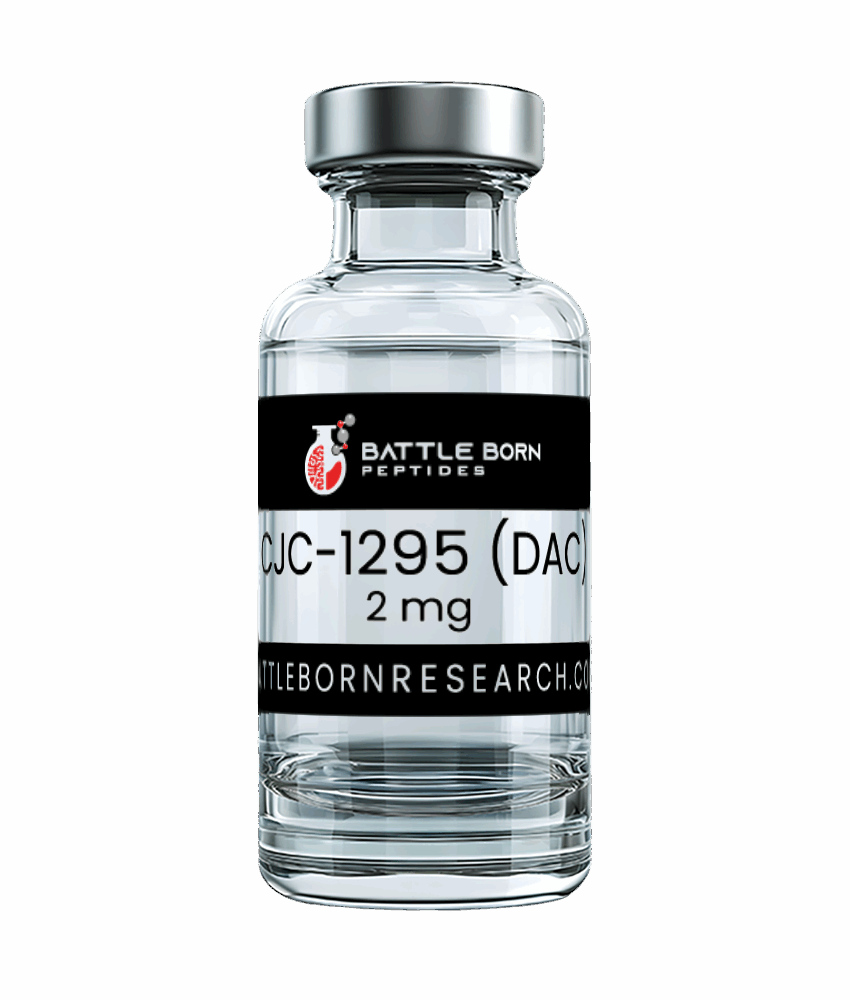

A lab manager doing an annual inventory audit pulls a box of reference materials from a freezer. Some containers carry a date labeled “expiry.” Some carry a date labeled “retest.” A few carry a bare date with no label at all, and several carry nothing. The auditor wants to know which items must be discarded and which can stay. The answer depends on which kind of date each one carries, because the two kinds give opposite instructions.
Two dates that ask for different actions
An expiry date is a cut-off. After it, the material is considered unsuitable for its stated purpose, and a passing test performed afterwards does not change that. The decision was made in advance, and no new data reopens it.
A retest date is a prompt. By that date, the holder is expected to test the material against its specification. If it still conforms, it can be used for a further defined period, after which the same prompt comes around again. The date schedules a measurement rather than ending the material’s life.
| Expiry date | Retest date | |
|---|---|---|
| Meaning | Do not use after this date | Confirm conformance by this date |
| Effect of a passing test afterwards | None; the date stands | Extends usability for a defined interval |
| Typical fit | Materials whose condition is hard to measure, or where a blunt cut-off is safer than judgment | Materials whose condition can be established by analysis |
| Depends on storage conditions? | Yes | Yes |
Both dates assume the stated conditions were kept
Either kind of date is derived from a stability study run under defined storage conditions. The date is only meaningful alongside those conditions. A container kept exactly as the study assumed may conform well beyond its nominal date; one that sat through repeated temperature excursions may fail before it. The date records elapsed time. The actual condition of the material depends on cumulative exposure, which the calendar does not track.
This is why the storage history in your own records matters as much as any printed date. An inventory log that records receipt, location and any known excursions is what gives the date its meaning. Our article on recordkeeping for research chemical purchases covers what such a log should contain.
What decides which date a material receives
The central question is whether condition can be verified by measurement. If a validated method can show that the material still meets its specification, testing is a better guide than a calendar, and a retest date is the natural choice. A fixed expiry suits cases where condition is difficult to verify, where the material degrades along a predictable path, or where the consequences of using degraded material are serious enough that a firm cut-off is preferable to case-by-case judgment.
The chemistry behind the clock
Peptides do not degrade on a timetable. They degrade through specific chemical routes, and each route needs something to proceed:
- Hydrolysis and deamidation need water. Deamidation of asparagine and glutamine residues is a well-known pathway in peptides with those residues.
- Oxidation needs oxygen, and residues such as methionine, cysteine and tryptophan are the usual targets.
- Disulfide exchange is a concern for sequences containing cysteine.
A dry lyophilized solid limits the water and mobility these reactions depend on, which is why peptides are commonly supplied in that form. See what a lyophilized peptide is for the background. Because degradation of a sealed, dry solid is slow and driven mainly by how it was kept, such materials fit the retest model more naturally than the fixed-expiry model.
Reading paperwork with one date, or none
When you find a date on a record, three questions extract most of its value:
- Is it an expiry date or a retest date? If the label does not say, ask the supplier rather than guessing.
- What storage conditions does the date assume?
- For a retest date, what specification and method would the retest use?
Many research-grade materials carry neither date. That is often an accurate reflection of the situation: no formal stability program was run, so there is no defensible date to print. The case that deserves more scrutiny is the reverse: a date printed on a label with no stability work behind it. It looks like information, but it has nothing supporting it.
For undated material, a laboratory can set its own internal review interval and, where the work is sensitive, confirm identity and purity in-house before use. Comparing an in-house chromatogram with the published analytical result for the product is a reasonable way to do that. Our guide to the peptide certificate of analysis explains what a published result establishes, and what to check when an order arrives covers the first entries in the record.
Back to the audit
For the lab manager with the freezer box, the sorting rule is now straightforward. Items past an expiry date come out of use, whatever they look like. Items past a retest date are quarantined until they have been tested, not discarded automatically. Items with an unlabeled date are flagged and queried with the supplier. Undated items are checked against the laboratory’s own review interval and storage log. Writing that rule into a standard procedure means the next audit does not depend on one person remembering what each kind of date implies, and it keeps decisions about old material consistent from year to year.
Questions
Can material be used after its retest date?
Only after it has been retested against its specification and found to conform. The retest then supports a further defined period.
Does a passing test extend an expiry date?
No. An expiry date is a fixed cut-off, and later results do not move it.
Why do some research materials have no date at all?
Usually because no formal stability study was performed, so there is no supported date to print. That is more honest than printing an unsupported one.
Is a date meaningful if storage conditions were not followed?
Not fully. Every date assumes the conditions used in the study that produced it; departures from those conditions weaken it.
Research use only. All products supplied by Battle Born Peptides are laboratory reference materials for in-vitro research and analytical use by qualified professionals. They are not drugs, foods, dietary supplements, cosmetics or medical devices; they are not approved by the FDA or any other regulator for use in humans or animals; and they are not intended to diagnose, treat, cure, mitigate or prevent any disease, or to affect the structure or any function of the body of humans or animals. Nothing in this article is preparation, handling or dosing guidance. See our full research-use terms.