
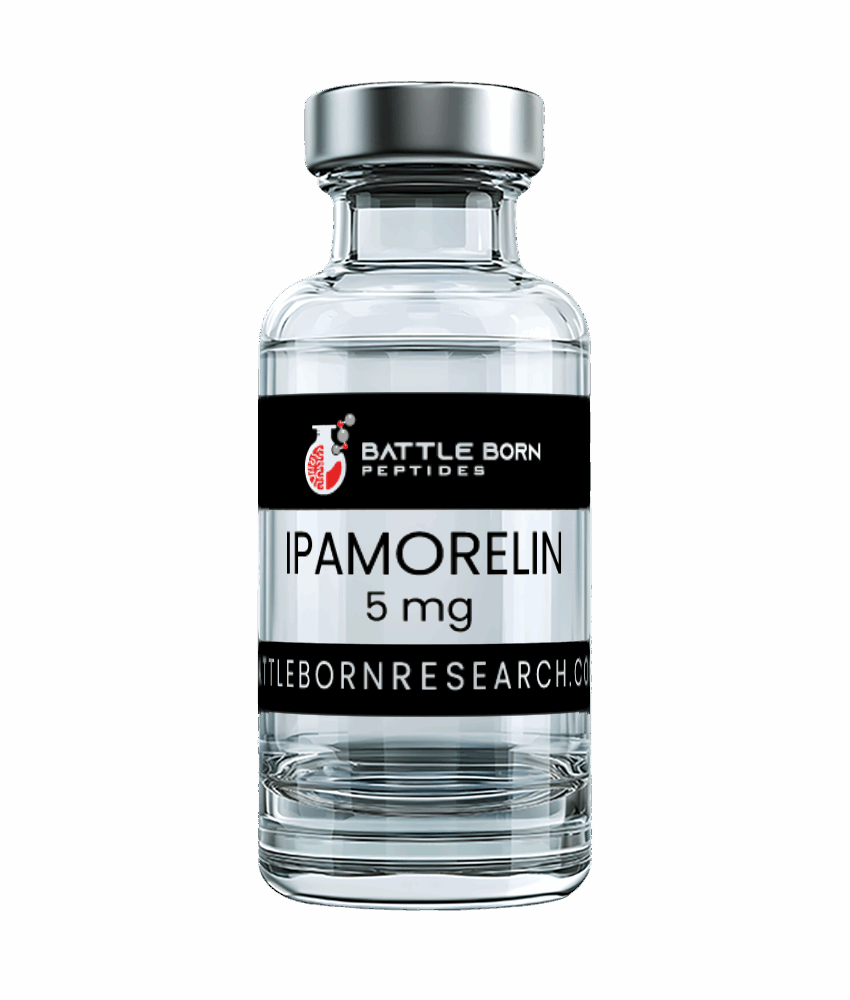


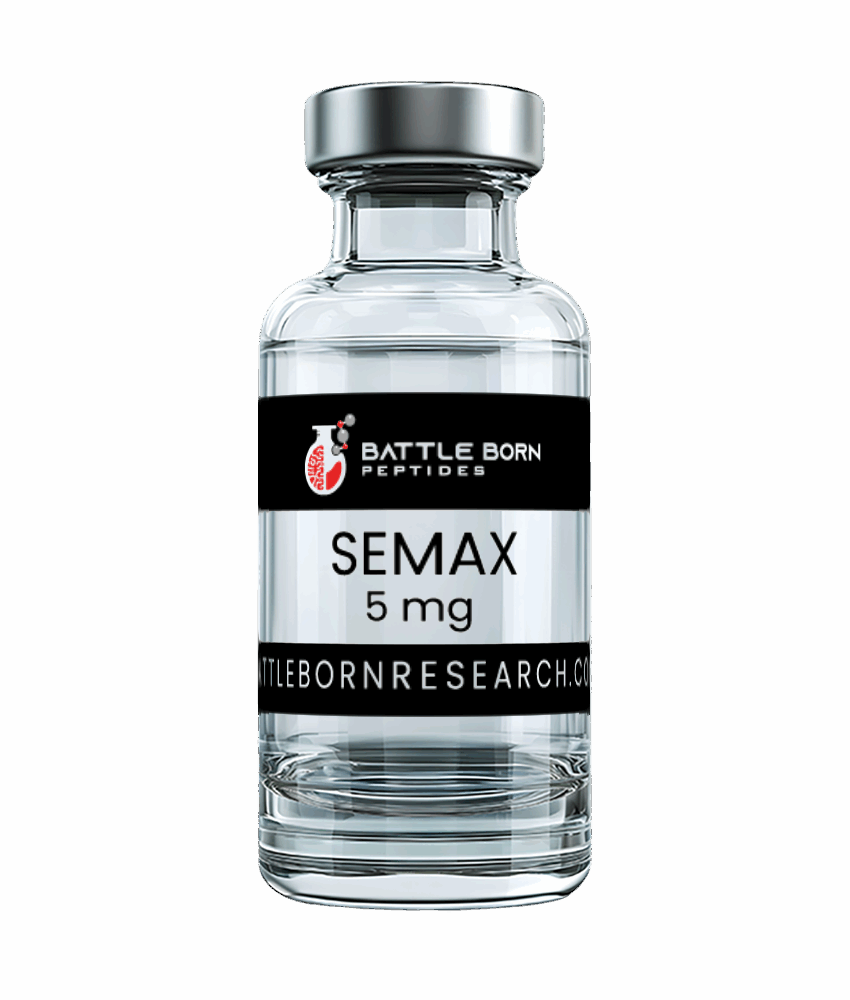
The figure printed on a peptide vial looks like the simplest fact on the label, and it is often the least understood. This article is a reference on what that figure means: the difference between nominal fill mass and net peptide content, where the non-peptide mass in a vial comes from, why two vials labelled 10mg can hold different amounts of peptide, and how to compare price per milligram on a like-for-like basis. It makes no claim about what any compound does and contains no preparation, handling or dosing guidance.
Nominal mass: what the label figure usually describes
Across most of the research peptide market, the milligram figure on a vial is a nominal fill mass: the target weight of lyophilised material dispensed into the vial. It is a manufacturing specification, not an assay result. It says how much powder was intended to go in, and that powder is not all peptide.
The fill itself carries a tolerance. Small quantities of light, static-prone lyophilised material are difficult to weigh precisely, so vials are commonly filled from a solution by volume and then freeze-dried in place. Either way, the quantity actually delivered sits within a range around the target, and a careful manufacturer works to a stated tolerance rather than an exact figure.
What else is in the powder
A synthetic peptide leaves purification as a salt. Basic residues and the free N-terminus carry positive charges, and each is paired with a negatively charged counter-ion from the purification conditions — trifluoroacetate unless the material has been exchanged to acetate or another form. Our article on TFA versus acetate counter-ions covers the chemistry. Counter-ion can account for a substantial share of the weight, and that share rises with the number of basic residues and falls as the peptide gets larger.
A lyophilised peptide also retains some water even after freeze-drying, and dry peptide powders take up moisture readily. Add the minor peptide-related impurities that HPLC detects, and the powder in the vial is peptide plus counter-ion plus water plus impurities.
Net peptide content
Net peptide content is the fraction of the powder mass that is the peptide itself. It is determined by methods such as amino acid analysis or elemental nitrogen analysis, not by HPLC, and for lyophilised synthetic peptides it is routinely well short of 100%.
It is a separate number from chromatographic purity, and the two are easily confused. Purity says what fraction of the peptide-related material is the intended sequence. Net content says what fraction of the powder is peptide at all. A vial can be 99% pure by HPLC and still contain noticeably less peptide than its nominal mass. The distinction is set out in more detail in peptide purity vs net peptide content.
Why two 10mg vials can hold different amounts of peptide
Take two vials of the same sequence from two suppliers, each labelled 10mg. Several things can differ without either label being false:
- Label basis. One supplier’s 10mg may be nominal powder; another’s may be 10mg of net peptide, with extra powder filled to compensate. The label alone rarely says which.
- Counter-ion form. A trifluoroacetate salt and an acetate salt of the same peptide have different formula weights, so equal masses of powder hold different amounts of peptide.
- Water content. Residual moisture varies with the freeze-drying cycle and with exposure to air before sealing.
- Purity. Impurities are part of the peptide-related mass, so lower purity means less of the intended sequence.
- Fill tolerance. Each vial sits somewhere within the manufacturer’s range.
None of these is exotic, and they compound. As an illustration only, not a measurement of any product: vial A holds 10mg of powder with 80% net peptide content and 99% HPLC purity, which works out at roughly 7.9mg of the intended peptide. Vial B holds 10mg of powder with 70% net content and 95% purity, roughly 6.7mg. The labels are identical; vial B holds about a sixth less of the intended peptide.
How to compare price per mg honestly
Price per labelled milligram is the easiest calculation and the least informative. A more honest comparison works through the inputs in order:
- Divide price by labelled mass to get a nominal price per milligram.
- Establish what the labelled mass means: nominal powder or net peptide.
- Where net peptide content is published, multiply the labelled mass by it to estimate the peptide actually present, and compare price against that figure.
- Take purity into account where both suppliers publish comparable HPLC methods, since a purity figure without a method is hard to compare.
- Count any value you cannot see as unknown, rather than assuming the best case.
A supplier that publishes net content, counter-ion form and a method-specified HPLC result is easier to compare fairly, even if its headline price per milligram is higher. Shipping, quantity pricing and vial size belong in the comparison as well; our guide on how to compare research peptide prices walks through the whole calculation.
What the listings here give you
Products in the shop are supplied as a lyophilised powder in a sealed vial. Vial size is listed on the product page, and each product’s independent reverse-phase HPLC result is published for that product. Those are the inputs the comparison above needs. Vials carry no batch or lot numbers; each vial is matched to its published test by crimp and cap colour.
Frequently asked questions
Is the mg on the vial the amount of peptide inside?
Not necessarily. In most cases it is the nominal mass of powder, which includes counter-ion and water as well as peptide.
Does higher HPLC purity mean more peptide in the vial?
Not by itself. Purity describes the peptide-related material only. Net peptide content determines how much of the powder is peptide.
Why does the counter-ion change the amount of peptide?
Because the counter-ion has mass. Different salt forms add different amounts of non-peptide weight to the same quantity of peptide.
Is a cheaper price per mg always better value?
Only when the milligrams being compared mean the same thing. Compare on estimated peptide content and published analysis, not on the headline figure alone.
Research use only. All products supplied by Battle Born Peptides are laboratory reference materials for in-vitro research and analytical use by qualified professionals. They are not drugs, foods, dietary supplements, cosmetics or medical devices; they are not approved by the FDA or any other regulator for use in humans or animals; and they are not intended to diagnose, treat, cure, mitigate or prevent any disease, or to affect the structure or any function of the body of humans or animals. Nothing in this article is preparation, handling or dosing guidance. See our full research-use terms.