
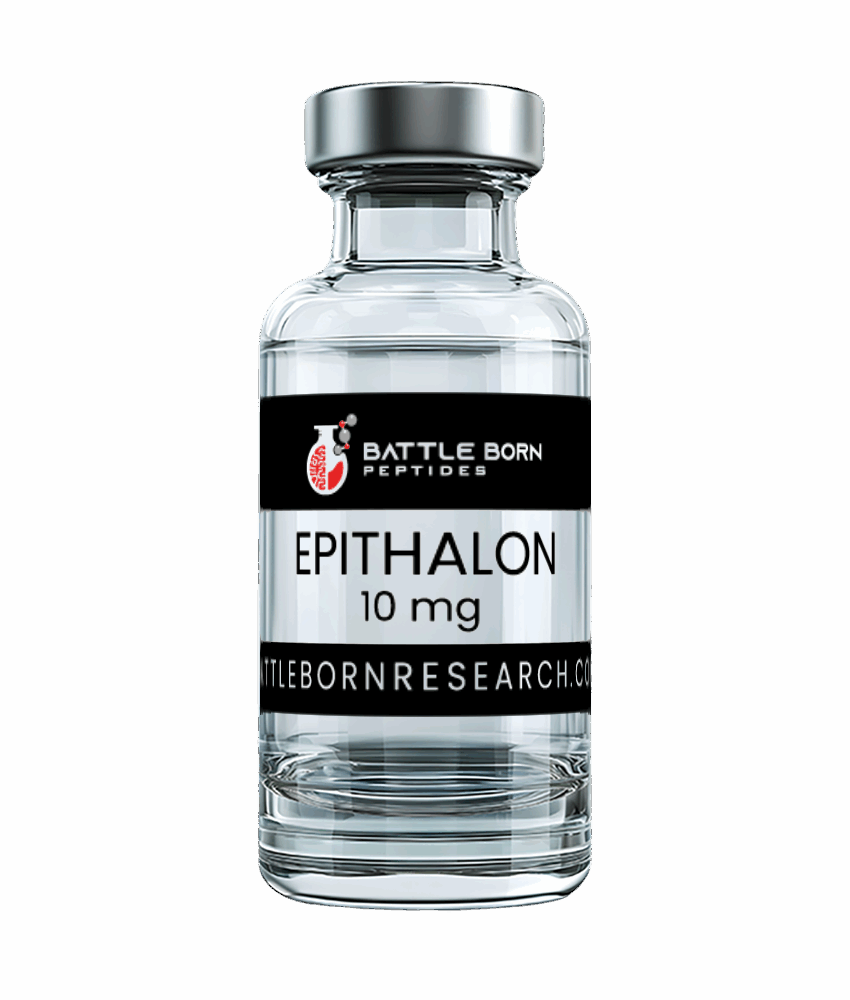


A purchasing coordinator at a university lab has two quotes for the same peptide sequence. One line item says “GMP grade” and costs several times more. The other says “research grade.” The principal investigator asks a reasonable question: is the expensive one purer? The answer is that the two labels are not measuring purity at all. They describe different things, and choosing between them well depends on knowing what each one actually promises.
This article separates the two terms, explains what a GMP label does and does not add, looks at grade words that have no standard behind them, and offers a practical way to decide what a project really needs.
Two labels, two different questions
“GMP grade” answers the question how was this made, and can that be audited? “Research grade” answers the question what is this intended for? Neither answers how pure is this sample?
Purity is set by the synthesis chemistry and the purification that follows it. The same sequence, made carefully and purified to the same target, can produce identical HPLC results whether or not the facility operates under a GMP system. Identity works the same way: a peptide either has the intended sequence or it does not, and no documentation system changes the molecule.
What GMP adds is assurance about consistency and a trail that an outside party can inspect. That is valuable when a project depends on it. It is a property of the records and controls, not of the peptide in the vial.
What sits behind a GMP claim
Good Manufacturing Practice is a regulatory framework that governs how a facility operates. In broad terms it expects:
- Premises and equipment that are formally qualified for their purpose.
- Written, approved procedures for every operation, followed as written.
- Trained staff, with training records kept on file.
- Analytical methods that have been validated.
- Change control for any alteration to the process, and formal investigation of deviations.
- Records detailed enough to reconstruct how a batch was made long after the event.
None of these points produces a number that could appear on a purity report. A GMP claim is a statement about a system of control. It is meaningful only when a recognized authority or qualified auditor has assessed the facility against a published framework.
What research grade means
Research grade, or research use only, describes intended use. The material is supplied for laboratory investigation, and it is not manufactured, tested or released for use in humans or animals. The general meaning is explained in what research use only means.
It does not imply careless production. Much research-grade peptide is made on the same kinds of synthesizers and analyzed on the same kinds of instruments as material destined for regulated uses. The difference lies in the documentation around the synthesis and the formal terms under which the material is released.
Where the two genuinely differ
| Area | Under GMP | Typical research-grade supply |
|---|---|---|
| Traceability of inputs | Documented origin for every raw material and signed records for each step | Can be made with equal care, but without a comparable audited trail |
| Analytical methods | Formally validated for accuracy, precision, specificity, linearity and range | Methods that perform well but have usually not gone through formal validation |
| Process changes | Assessed and approved through change control | A supplier may change synthesis source, resin or purification without it appearing on paperwork |
| Release | Released by a qualified person against a specification fixed in advance | Characterized, with the results reported |
For many laboratory projects, the right-hand column is entirely appropriate. The left-hand column matters when the work itself sits inside a regulated process that requires that level of documentation.
Grade words with no standard behind them
Catalogs sometimes use terms that sound official but point to nothing a supplier can be certified against. “Pharmaceutical grade” is the most common example when applied to a research chemical; there is no regulatory category of that name for a supplier to meet. “Reagent grade” and “analytical grade” do have defined meanings for many common laboratory chemicals under compendial or ACS specifications, but those specifications were not written for synthetic peptides.
Two questions test any grade word:
- Which published standard does it refer to?
- Who verifies that the material or facility meets that standard?
GMP can answer both. Most other grade words cannot answer either.
What a research-grade report looks like, and why
Test documents for research materials usually focus on identity and purity. They generally do not include a method validation statement, a formal release decision, or a full specification with pass-or-fail limits. For material supplied for laboratory work, that is the appropriate shape. A research-use report dressed in GMP language would not be an upgrade; it would misdescribe the material.
Battle Born products are laboratory reference materials sold for research use. Every Battle Born product has its own independent reverse-phase HPLC result published on its page. What “independent” testing does and does not establish is covered in what third-party tested means.
Deciding what your project needs
- If the work feeds a regulated submission or manufacturing process, the requirement for GMP material is specific. Either a supplier operates under the framework or it does not, and documentation will show which.
- If the work is exploratory laboratory research, judge suppliers on the evidence they publish: the method used, the actual chromatogram, and whether a result can be tied to the product you receive.
- In both cases, keep the supporting documents with your purchase records. A supplier qualification file is a practical place to hold them.
Research-grade materials and their published test results can be browsed in the Battle Born catalog.
The US regulatory context
In the United States, the Federal Food, Drug, and Cosmetic Act and FDA regulations govern what may be marketed for human use and what may be claimed about it. Material supplied for laboratory research does not go through that approval pathway. It carries no National Drug Code and no approved application, and a supplier of research materials may not describe or suggest human use.
Questions
Is GMP material always purer than research-grade material?
Not necessarily. Purity depends on synthesis and purification. GMP adds documented control and auditability, which supports consistency between lots, but it does not by itself raise a purity figure.
Can a research supplier call its peptides GMP grade?
Only if the material was actually manufactured under a GMP system that has been assessed. Using the term otherwise would misdescribe the product.
What does “pharmaceutical grade” mean on a research peptide?
For research chemicals it has no settled definition and no certification route. Ask which standard is meant and who verifies it.
What should I look at instead of the grade word?
The analytical evidence: the named method, the chromatogram, the reported result, and whether that result can be matched to the product in hand.
Research use only. All products supplied by Battle Born Peptides are laboratory reference materials for in-vitro research and analytical use by qualified professionals. They are not drugs, foods, dietary supplements, cosmetics or medical devices; they are not approved by the FDA or any other regulator for use in humans or animals; and they are not intended to diagnose, treat, cure, mitigate or prevent any disease, or to affect the structure or any function of the body of humans or animals. Nothing in this article is preparation, handling or dosing guidance. See our full research-use terms.