
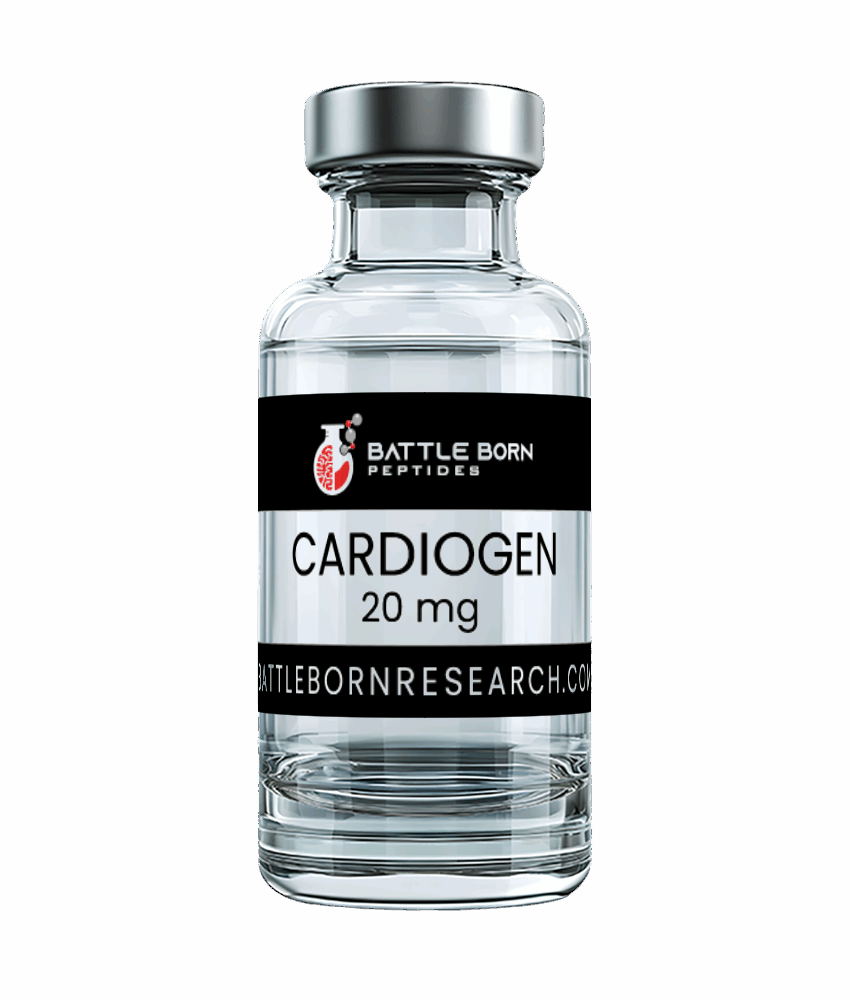
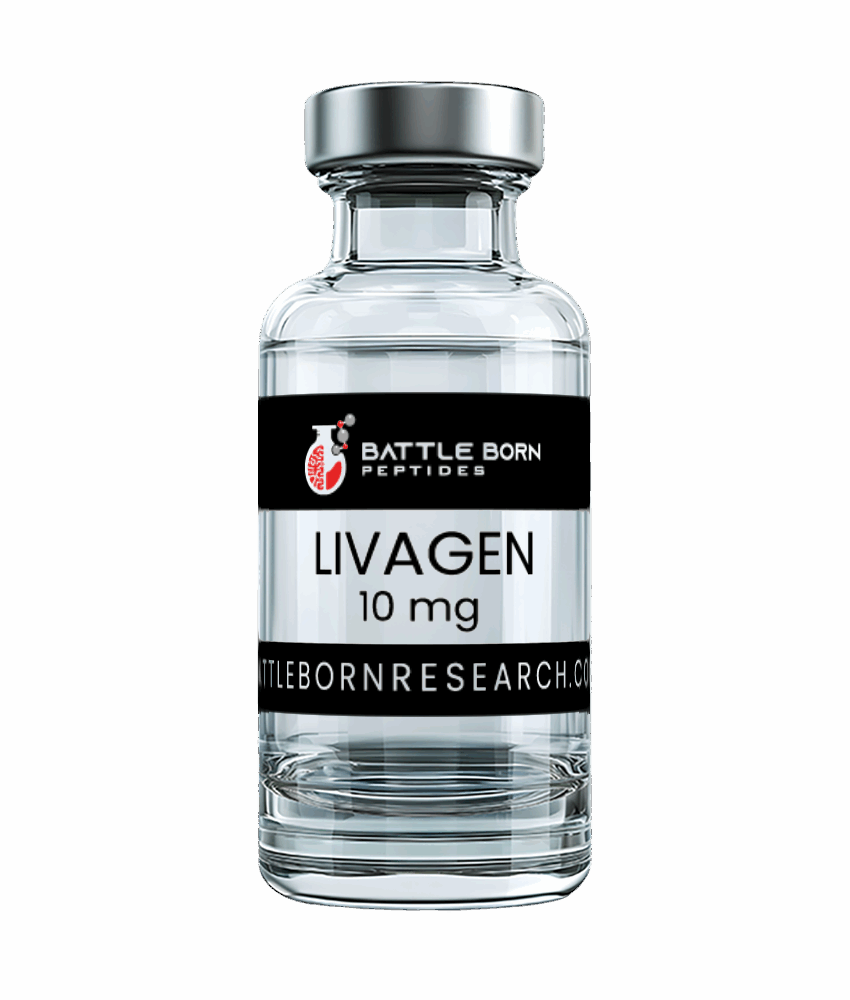
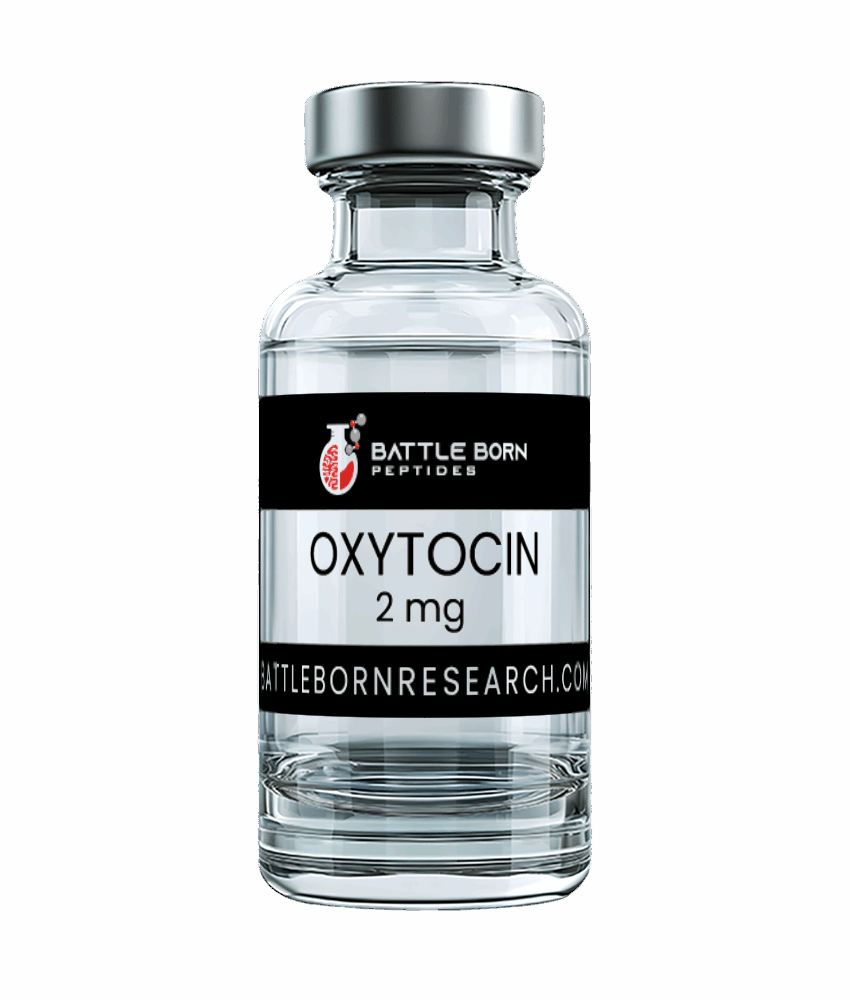

For Kentucky research institutions, licensed researchers, universities and laboratory R&D purchasers, Battle Born Peptides is a domestic source of lyophilized research peptides and laboratory reagents. Orders typically reach Kentucky addresses in 2 to 4 business days with tracking on every shipment, and every product in the catalog is analyzed by reverse-phase HPLC with the result published for that product.
- 2–4 daysTypical transit to Kentucky
- $100+Ships free in the USA
- TrackedOn every order
- HPLCTested per product
Delivery to Kentucky
Louisville and Lexington take most of the volume, while Bowling Green, Owensboro and Covington sit in the same 2 to 4 business day band from dispatch. Covington’s closeness to the Ohio line makes no difference to that window. Dispatch generates the tracking reference, and the shipping charge disappears once an order clears $100.
| Destination | Typical transit | Note |
|---|---|---|
| Louisville | 2–4 business days | Includes University of Louisville addresses |
| Lexington | 2–4 business days | University of Kentucky, including the Gluck Equine Research Center |
| Bowling Green | 2–4 business days | Tracked, standard window |
| Owensboro | 2–4 business days | Tracked, standard window |
| Covington | 2–4 business days | Tracked, standard window |
Vials travel lyophilized and sealed at ambient temperature, and a Kentucky carton is identical to every other carton leaving the facility. After handover the material sits under the procedures that the receiving laboratory itself maintains; we write none of them and comment on none of them.
Receiving a shipment at a Kentucky address
At the University of Kentucky in Lexington and at the University of Louisville, the carrier’s job finishes at a central receiving point, and the parcel then travels internally to the department. That internal stage is where the extra hours go — two of them sometimes, the rest of the day on other occasions. Western Kentucky is arranged the same way. A private analytical laboratory in Louisville or Owensboro will usually have one desk doing both jobs, which is faster without being instant. Covington and Bowling Green addresses tend to sit somewhere between the two arrangements, so the safe assumption is that a scan and a bench are not the same place.
Late-week orders meet closed docks
Two to four business days from a Thursday dispatch can put a parcel at a Lexington or Louisville dock on a Saturday, where it simply waits. An order at the beginning of the week lands inside staffed hours. That tracking reference, issued at dispatch and passed on to receiving, is what makes a delivery expected rather than accidental.
Then a short inspection, worth finishing before any vial is distributed: the count set beside the packing list, then every seal and crimp checked over for damage, then crimp and cap colors matched to the analysis recorded for that product. Where one of the three fails, quote both references to us before the order travels any further. The arrival inspection, step by step covers the process, and what lyophilization leaves in the vial explains the dry cake.
Research institutions and industry in Kentucky
The University of Kentucky in Lexington and the University of Louisville run the state’s largest research portfolios, with Western Kentucky University and the University of Kentucky’s Gluck Equine Research Center adding specialized capacity. Core-facility and departmental purchasing from any of them is straightforward, and funded-project orders follow the same route. Departmental accounts can be set up ahead of a first order, and institutional purchase orders are accepted once the paperwork is in place.
Kentucky’s applied laboratory sector is shaped by two long-standing industries: equine science around Lexington, and the analytical chemistry that distilling and agriculture demand. Both produce buyers who read a chromatogram rather than a brochure, which is the audience a published analysis is written for. Where a formal review is required, we are glad to supply what a qualification file asks for — see building a supplier qualification file.
What we supply
Two long-standing industries shape laboratory habits here: the analytical chemistry that distilling and agriculture have always demanded, and the research portfolios run at the University of Kentucky and the University of Louisville. Buyers out of that tradition read a chromatogram before they read a description, so the catalog is organized to match — grouped according to whichever receptor system or pathway is in play, and carrying no result claim against anything inside it. Each category holds its items, vial sizes and prices:
- GHRH and ghrelin receptor peptides9 catalog items
- Incretin and metabolic receptor compounds7 catalog items
- Chromatin and gene-expression peptides7 catalog items
- Extracellular matrix and cell-migration peptides4 catalog items
- GnRH and kisspeptin signaling peptides4 catalog items
- Mitochondrial and senescence peptides4 catalog items
- Melanocortin receptor peptides3 catalog items
- Neuropeptide and CNS signaling compounds4 catalog items
- Antimicrobial and cytokine-pathway peptides3 catalog items
- Laboratory solvents and supplies1 catalog item
Every compound and vial size available to a Kentucky address also appears as one continuous run further down, a format that suits a long order better than clicking through category by category.
How purity is established
The HPLC work is contracted out. Reverse-phase analysis covers each product in turn, at a laboratory with no stake in the outcome. Vials carry neither lot nor batch numbering, so identification rests on crimp and cap color, which is what points from a vial to the analysis covering it — the kind of arrangement a Kentucky analyst will want to check before accepting anything.
How an HPLC chromatogram is read covers the trace. Purity and net peptide content, distinguished covers the number easiest to misquote, and what third-party tested actually signifies covers the claim.
Buying from Kentucky
Sequence matters more than volume here. A departmental account can exist before the first order does, and an institutional purchase order clears as soon as its paperwork exists, so account first, documents second, order third is the path that stalls least often. Nothing along that path widens the buyer list: a licensed researcher, a purchaser ordering for laboratory R&D, a research institution or a university, with nobody outside those four. Lexington departments, Louisville core facilities and funded projects at Western Kentucky are all standard cases. Where the work repeats, volume pricing is available; where an order stays below $100, checkout prints the delivery charge first, well ahead of any payment being taken.
Taken: what the compound is, what its vial holds, what came back from the analysis, and how far along the order has got. Refused: preparation, handling, dosing — refused everywhere and for everyone, since a qualified researcher and their institution decide those and we do not. Who can buy research chemicals is the eligibility page; purchase orders and lab accounts is the billing one.
Regulatory status in Kentucky
Kentucky has nothing of its own to add, since the operative rules are federal and reach every state alike. No FDA approval is available that would let this material go into a person or an animal; they exclude sale for diagnosis, for treatment and for clinical use; and they confine the intended application to in-vitro laboratory research. Requirements a Kentucky institution imposes on its own purchasers, handling and disposal included, are the purchaser’s to meet.
Questions from Kentucky purchasers
How long does delivery to Louisville or Lexington take?
Usually 2 to 4 business days after dispatch, with every Kentucky order tracked. Bowling Green, Owensboro and Covington see similar timing.
Who can order in Kentucky?
Research institutions, licensed researchers, universities and laboratory R&D purchasers based in Kentucky. Consumers are not supplied.
Are vials shipped to Kentucky individually numbered?
No. There is no lot or serial marking on a vial; its crimp and cap color ties it to the published HPLC analysis.
Can Kentucky institutions pay by purchase order?
Yes. Let us know before ordering and the account and paperwork will be set up in advance.
Is shipping to Kentucky free?
Kentucky orders over $100 ship free, as orders do across the country. Below that total, checkout lists the shipping cost before you pay.
Nearby coverage
Kentucky falls where our Midwest and Southeast lanes meet, and laboratories in these neighboring states are supplied too:
All remaining states receive the same tracked service from us.
Lexington, Louisville and beyond: browse every compound we list.
Research use only
Here, research use only is a restriction rather than a slogan. A buyer has to be a research institution, a university, a purchaser ordering for laboratory R&D or a licensed researcher; the work has to happen in vitro; the material is not a medicine, is not a food or dietary supplement, is not a cosmetic and is not a medical device; no agency has licensed any part of it for use in people or in animals; it diagnoses nothing, treats nothing, cures nothing and prevents nothing, and it changes no physiological process; and handing it on, repacking it or routing it toward veterinary use is out of the question — the binding version sits in our research-use terms, with the explanation of it in what research use only means.
Compounds catalogued
Every compound below is supplied as a laboratory reference material for in-vitro research use only. Names and vial sizes are listed for identification; no property or use is claimed for any of them.
- AOD-9604 5mg
- ARA 290 15mg
- BPC-157 5mg
- BPC-157 + TB500 + MGF Blend 18.5mg
- Cardiogen 20mg
- Cartalax 20mg
- Chonluten 20mg
- CJC-1295 5mg
- CJC-1295 (DAC) 2mg
- CJC1295 + Ipamorelin Blend 10mg
- Cortagen 20mg
- DSIP 2mg
- Epithalon 10mg
- FOX04-DRI 10mg
- GHK-Cu 50mg
- GLP-1 - 10mg
- GLP-1 5mg
- GLP-1/GIP - 10mg
- GLP-1/GIP – 5mg
- GLP-1/GIP/Glucagon 10mg
- GLP-1/GIP/Glucagon – 5mg
- Gonadorelin 10mg
- HCG 5000 IU
- Hexarelin 2mg
- IGF-1 LR3 1mg
- Ipamorelin 5mg
- Kisspeptin 10mg
- Kisspeptin 5mg
- Livagen 10mg
- LL-37 5mg
- Melanotan 1 10mg
- Melanotan 2 10mg
- MOTS-c 10MG
- NAD+ 1000mg
- Oxytocin 2mg
- Pinealon 20mg
- PT-141 10mg
- Reconstitution Solution (BAC Water) 10ml
- Selank 5mg
- Semax 5mg
- Sermorelin 2mg
- SS-31 10mg
- TB-500 5mg
- Tesamorelin 10mg
- Tesamorelin 5mg
- Thymosin Alpha-1 5mg