

Harvard, MIT, the Broad and the Whitehead in Cambridge; Boston University, Northeastern and Tufts across the metro; the University of Massachusetts at Amherst and Worcester. Battle Born Peptides supplies all of them, and the smaller private laboratories around them, with lyophilized research peptides and laboratory reagents. Three to five business days is the usual transit, tracking comes as standard, orders above $100 ship free, and reverse-phase HPLC is run on every catalog product by an independent laboratory.
- 3–5 daysTypical transit to Massachusetts
- $100+Ships free in the USA
- TrackedOn every order
- HPLCTested per product
Delivery to Massachusetts
Everything in the state runs on one window of three to five business days from dispatch, and the type of address makes no difference to it: a Harvard department, a Kendall Square institute, a UMass building at Amherst or Worcester, a private laboratory in Springfield. Tracking attaches at dispatch. Nothing above $100 pays for shipping. The destinations we see most:
| Destination | Typical transit | Note |
|---|---|---|
| Boston | 3–5 business days | Metro addresses, including Boston University and Northeastern |
| Cambridge | 3–5 business days | Includes Harvard, MIT, the Broad and Whitehead Institutes and Kendall Square |
| Worcester | 3–5 business days | Includes the University of Massachusetts |
| Amherst | 3–5 business days | University of Massachusetts campus deliveries |
| Springfield | 3–5 business days | Standard tracked delivery |
Sealed vials of freeze-dried material ride at ambient temperature, and a Cambridge carton is assembled to precisely the specification used for one going to Wyoming. Past the signature, the receiving laboratory’s SOPs take over, and we add nothing to them. A tracking link goes to the purchaser at dispatch, which is the thing to forward if a mailroom rather than a researcher will take the box in.
Receiving a shipment at a Massachusetts address
Scale is what complicates a Massachusetts delivery. Harvard and MIT in Cambridge, the University of Massachusetts at Amherst and Worcester: all receive centrally, so the delivery scan happens at a dock while the departmental mail round decides when vials actually appear, in a few hours or across a full day. A plan that budgets for the round rather than the scan is the one that survives a busy week.
Planning around a Cambridge or Amherst dock
Send an order late in the week and the three-to-five-day window can bring it due exactly when the mailrooms at Harvard, MIT and Boston University are shutting. Ordering Monday or Tuesday puts arrival inside working hours, and the tracking link issued at dispatch tells the Cambridge or Worcester receiving desk what is coming.
Three confirmations, as soon as the lid is off: the count matches the order, nothing has lifted a seal or bent a crimp, and the cap color on each vial answers to the product it was bought as. Anything that fails one of those is easier to raise before the material is booked in. Our arrival checklist for peptide orders is the longer version, and the explainer on lyophilized peptides accounts for the dry plug in the vial.
Research institutions and industry in Massachusetts
Massachusetts hosts the densest research base in the United States. Harvard University and the Massachusetts Institute of Technology sit within a mile of each other in Cambridge, alongside the Broad Institute and the Whitehead Institute; the University of Massachusetts spans Amherst and Worcester; and Boston University, Northeastern and Tufts add further laboratory capacity across the metro. We regularly set up departmental accounts and core-facility purchasing for groups at these campuses and institutes.
Kendall Square is a dense life-science cluster, and the standards it sets for supplier documentation are demanding. Purchasers there expect the analysis to be readable before an order, not promised after one, which is exactly how ours is published, and we supply what a formal qualification file asks for. Our guide to building a supplier qualification file lists what such a file typically contains.
What we supply
Two buying cultures share the state. Academic groups at Harvard, MIT, Tufts, Boston University, Northeastern and the University of Massachusetts order through departments and core facilities against funded work, while the institutes and companies packed around Kendall Square, the Broad and the Whitehead among them, order after a documentation review. What both want from a catalog is speed to the right target family, which is why compounds are indexed by receptor system and signaling pathway and never by a claimed outcome. The number against each category is how many distinct compounds it contains, and a project touching two pathways can be filled from two categories on one order. Sizes and prices are a click in:
- GHRH and ghrelin receptor peptides9 catalog items
- Incretin and metabolic receptor compounds7 catalog items
- Chromatin and gene-expression peptides7 catalog items
- Extracellular matrix and cell-migration peptides4 catalog items
- GnRH and kisspeptin signaling peptides4 catalog items
- Mitochondrial and senescence peptides4 catalog items
- Melanocortin receptor peptides3 catalog items
- Neuropeptide and CNS signaling compounds4 catalog items
- Antimicrobial and cytokine-pathway peptides3 catalog items
- Laboratory solvents and supplies1 catalog item
Solvents and laboratory supplies have a listing of their own with composition stated. Anyone who prefers a single long list will find every compound and size at the bottom of this page.
How purity is established
Every product in the catalog goes out to an independent laboratory for reverse-phase HPLC. No lot number is printed on a vial, so identification rests on the crimp and the color of the cap, which pair to one product and no other. Solvents sit in a listing of their own, composition stated. A supplier review file usually calls for reading an HPLC chromatogram, how purity differs from net peptide content and what “third-party tested” does and does not mean.
Buying from Massachusetts
Eligibility stops at universities, research institutions, licensed researchers and laboratory R&D buyers, and it is verified before an order is accepted; consumer orders are refused. A Harvard or UMass department, a Worcester core facility, a funded group at Northeastern — any of them can open an account or send an institutional purchase order, and settling that ahead of a first order means nothing waits on paperwork afterwards. Long or repeated assay series can be quoted in bulk.
Catalog identity, vial contents, analytical paperwork, order status: ask away. Preparation, handling and dosing: not from us, at any point, because those belong to the qualified researcher and the institution’s procedures. The detail is in who can buy research chemicals and how purchase orders and lab accounts work.
Regulatory status in Massachusetts
No Massachusetts statute alters the federal treatment, which therefore stands by itself. Laboratory reference material is what ships, its use confined to in-vitro research; the FDA has cleared none of it for animals or for people, and it is offered for no diagnostic, clinical or therapeutic work whatever. Rules an institution keeps on handling, storage and disposal apply above that layer and belong to the buyer. What research use only means sets out the wider background.
Questions from Massachusetts purchasers
How long does delivery to Cambridge or Boston take?
Plan on 3 to 5 business days after dispatch. A tracking link goes out with every order, which lets a campus receiving desk in Cambridge or Boston watch for the parcel.
Who is eligible to purchase in Massachusetts?
Universities, research institutions, licensed researchers and laboratory R&D purchasers in the state. Each buyer confirms eligibility at checkout, and orders from consumers are not accepted.
What documentation does a Kendall Square laboratory get?
Every product page carries its independent reverse-phase HPLC analysis, which can be read before ordering, and the invoice lists exactly what was shipped. Vials have no lot identifier; the crimp and cap color ties each one to its published test.
Do you accept institutional purchase orders from Massachusetts?
Yes. Get in touch before the order is placed and we will have the account and paperwork arranged for the department or institute.
Is shipping to Massachusetts free?
Yes, on any order above $100, the same threshold that applies across the country. Below that, checkout shows the shipping charge for the Massachusetts address before payment.
Nearby coverage
Massachusetts anchors our Northeast routing. Laboratories in the bordering states below are supplied as well:
Beyond New England and New York, laboratories in every other state buy from this same catalog, with a tracking number on each shipment.
From Kendall Square to Amherst: every compound and its published HPLC test in one place.
Research use only
In vitro, in a laboratory, by qualified professionals: that is the limit of what these materials are for. Medical devices they are not, nor cosmetics, nor supplements, nor foods, nor drugs, and no regulator has cleared a single one of them for people or for animals. Nothing here may be passed on for veterinary or human use, nor repackaged, nor resold. Laboratory R&D buyers, licensed researchers, universities and research institutions are the permitted purchasers, under the full research-use terms.
Compounds catalogued
Every compound below is supplied as a laboratory reference material for in-vitro research use only. Names and vial sizes are listed for identification; no property or use is claimed for any of them.
- AOD-9604 5mg
- ARA 290 15mg
- BPC-157 5mg
- BPC-157 + TB500 + MGF Blend 18.5mg
- Cardiogen 20mg
- Cartalax 20mg
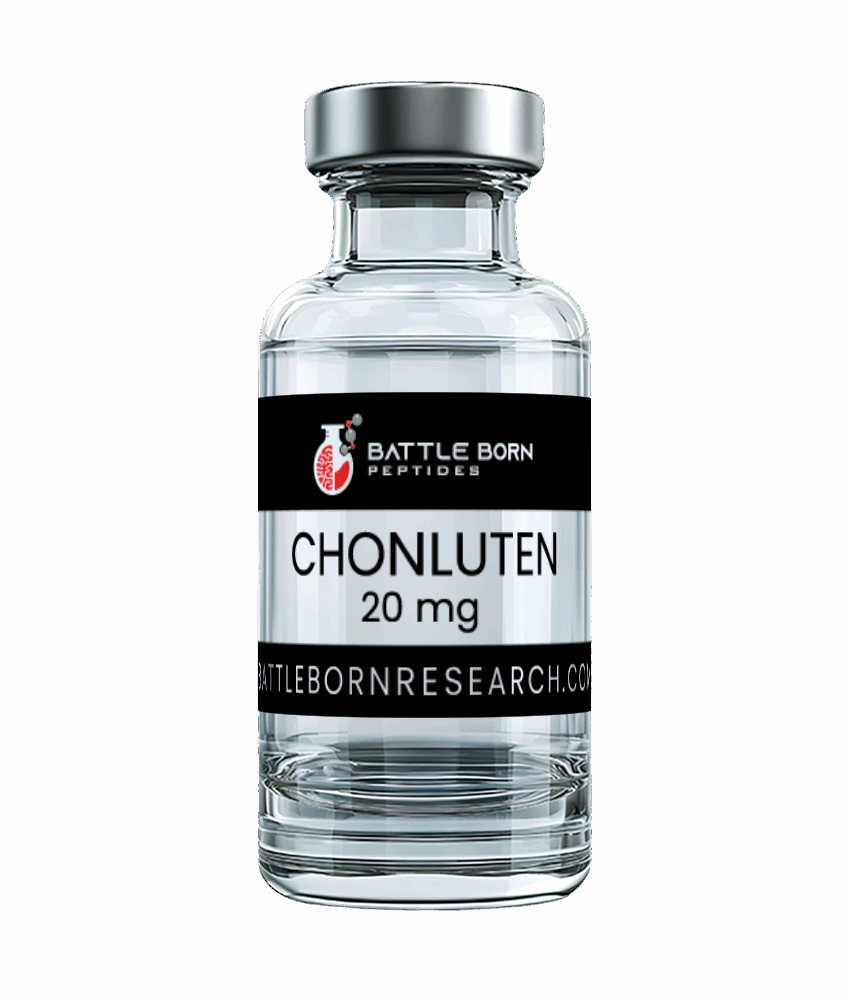
- Chonluten 20mg
- CJC-1295 5mg
- CJC-1295 (DAC) 2mg
- CJC1295 + Ipamorelin Blend 10mg
- Cortagen 20mg
- DSIP 2mg
- Epithalon 10mg
- FOX04-DRI 10mg
- GHK-Cu 50mg
- GLP-1 - 10mg
- GLP-1 5mg
- GLP-1/GIP - 10mg
- GLP-1/GIP – 5mg
- GLP-1/GIP/Glucagon 10mg
- GLP-1/GIP/Glucagon – 5mg
- Gonadorelin 10mg
- HCG 5000 IU
- Hexarelin 2mg
- IGF-1 LR3 1mg
- Ipamorelin 5mg
- Kisspeptin 10mg
- Kisspeptin 5mg
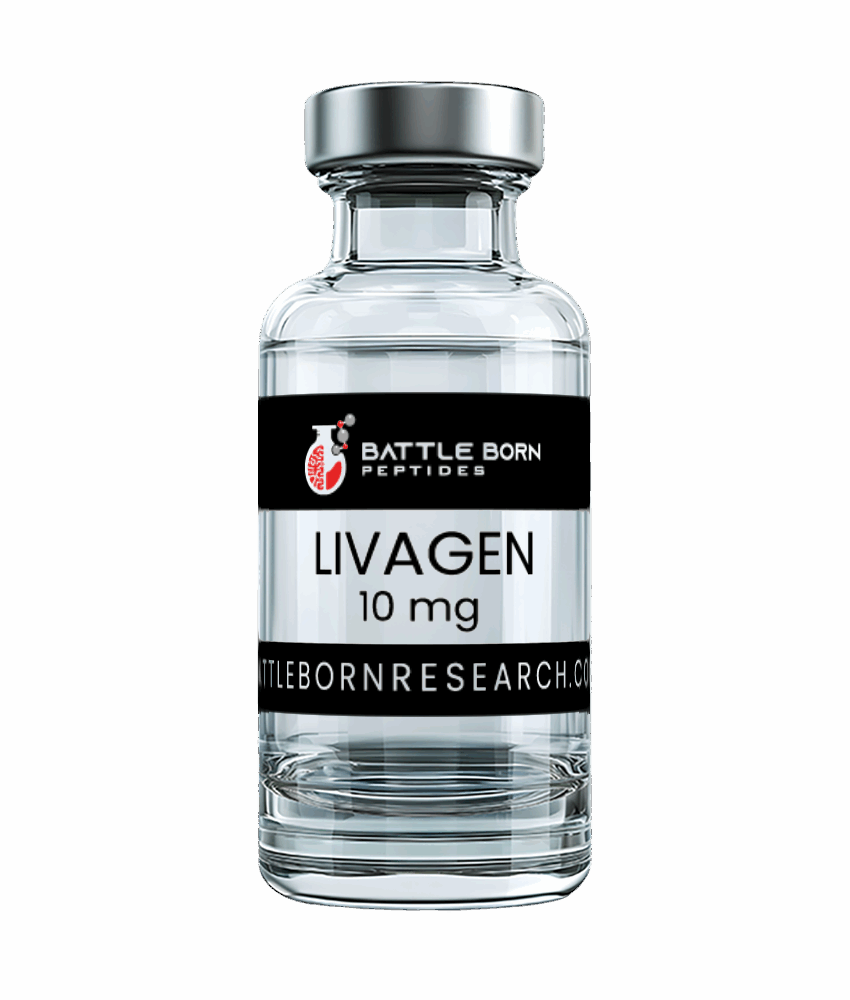
- Livagen 10mg
- LL-37 5mg
- Melanotan 1 10mg
- Melanotan 2 10mg
- MOTS-c 10MG
- NAD+ 1000mg
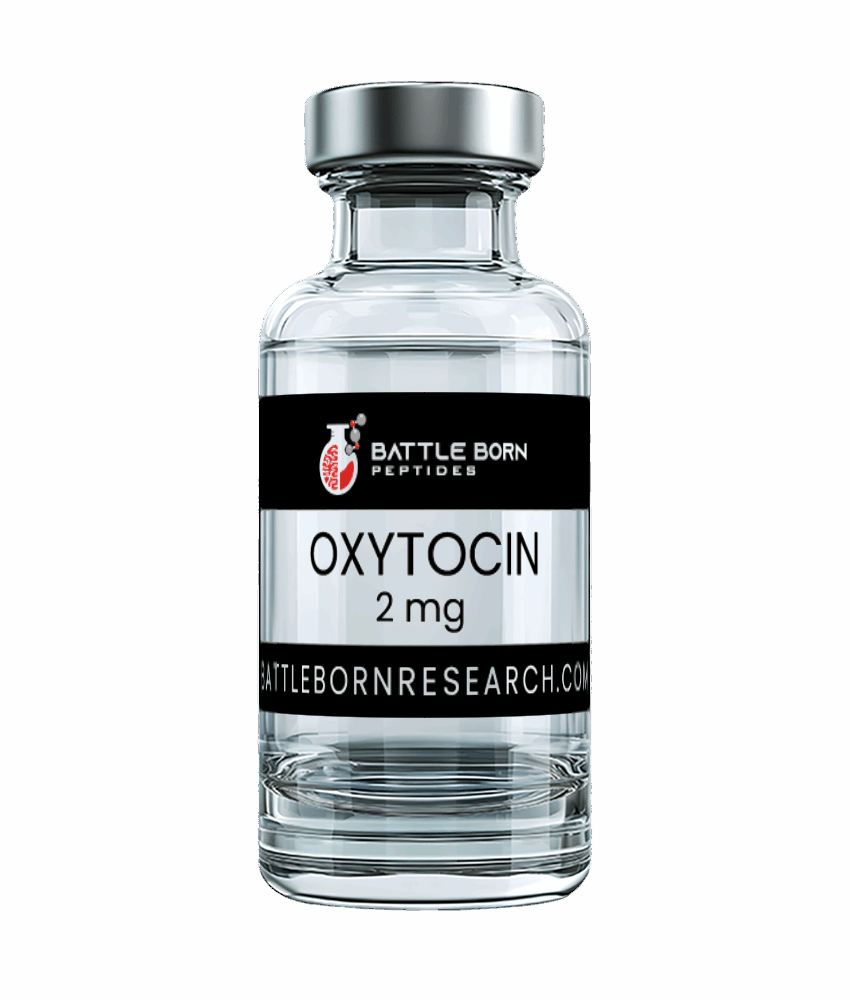
- Oxytocin 2mg
- Pinealon 20mg
- PT-141 10mg
- Reconstitution Solution (BAC Water) 10ml
- Selank 5mg
- Semax 5mg
- Sermorelin 2mg
- SS-31 10mg
- TB-500 5mg
- Tesamorelin 10mg
- Tesamorelin 5mg
- Thymosin Alpha-1 5mg