

Minnesota orders come from the University of Minnesota campuses in the Twin Cities, Duluth and Rochester, from the Mayo Clinic research operation, and from the device and diagnostics laboratories along Medical Alley. Battle Born Peptides ships them lyophilized peptides and laboratory reagents in two to four business days, tracked throughout, free of shipping charge above $100, with reverse-phase HPLC run on every catalog product by an independent laboratory.
- 2–4 daysTypical transit to Minnesota
- $100+Ships free in the USA
- TrackedOn every order
- HPLCTested per product
Delivery to Minnesota
Two to four business days out of dispatch reaches the Twin Cities, Rochester, Duluth and Saint Cloud alike; a campus loading bay and a private laboratory get the same band. Tracking is attached to all of it. Cross $100 and shipping is free. Here is the window against each destination Minnesota buyers use most:
| Destination | Typical transit | Note |
|---|---|---|
| Minneapolis and Saint Paul | 2–4 business days | University of Minnesota Twin Cities campus deliveries |
| Rochester | 2–4 business days | Includes the Mayo Clinic research operation and the University of Minnesota |
| Duluth | 2–4 business days | University of Minnesota Duluth campus deliveries |
| Saint Cloud | 2–4 business days | Standard domestic window |
Vials arrive dry and sealed, having traveled at room temperature, and nothing about the packing is specific to Minnesota. From the signature onward the receiving laboratory’s own procedures decide what happens, and none of those procedures come from us.
Receiving a shipment at a Minnesota address
Two universities and a clinic take most of this traffic, and all three receive centrally. A parcel for the University of Minnesota in the Twin Cities, Duluth or Rochester, or for the Mayo Clinic research operation, is signed for at a dock, and internal mail carries it the last stretch in hours or across most of a working day. Plan for that stretch and nobody ends up chasing a shipment already sitting on site.
Rochester and Twin Cities receiving hours
Late-week dispatch on a two-to-four-day lane can put a parcel into Minneapolis, Saint Paul or Rochester exactly as a campus dock closes. Monday and Tuesday orders usually reach the University of Minnesota or the Mayo Clinic research operation while it is staffed, and the tracking number issued at dispatch lets the receiving desk plan round it.
Three points settle a delivery at Minneapolis or Duluth: count against the order, seals and crimps whole, cap color answering to the right product. A fuller list of what to check when an order arrives sits beside a short explanation of lyophilized peptides for anyone who has not handled freeze-dried material before.
Research institutions and industry in Minnesota
The University of Minnesota spans the Twin Cities, Duluth and Rochester and runs one of the larger public research programs in the country. Rochester also hosts the Mayo Clinic’s research operation, which gives a city of that size an unusual concentration of laboratory capacity. Accounts for these departments and core facilities, and orders against their funded projects, are a regular part of our Minnesota work.
The corridor between Minneapolis and Rochester — commonly called Medical Alley — holds one of the densest device and diagnostics research sectors in the United States. Supplier qualification there is formal and documentation-led, and we are set up to be assessed that way — see building a supplier qualification file.
What we supply
Purchasing splits two ways in Minnesota. Departments and core facilities across the University of Minnesota’s three campuses order against funded projects, while the Mayo Clinic research operation and the device and diagnostics laboratories of Medical Alley buy under formal supplier qualification, paperwork reviewed first. Habits differ as much as the buyers do: one vial size against a single protocol at one end, a standing restock across several families at the other. The catalog answers both, because it is keyed to receptor systems and signaling pathways rather than to any claimed outcome, and because a project crossing two pathways can be filled from two categories on one order. Rochester buyers in particular tend to arrive with a compound already named by a protocol, while Duluth and Twin Cities departments browse a family first. Counts, sizes and prices sit inside:
- GHRH and ghrelin receptor peptides9 catalog items
- Incretin and metabolic receptor compounds7 catalog items
- Chromatin and gene-expression peptides7 catalog items
- Extracellular matrix and cell-migration peptides4 catalog items
- GnRH and kisspeptin signaling peptides4 catalog items
- Mitochondrial and senescence peptides4 catalog items
- Melanocortin receptor peptides3 catalog items
- Neuropeptide and CNS signaling compounds4 catalog items
- Antimicrobial and cytokine-pathway peptides3 catalog items
- Laboratory solvents and supplies1 catalog item
Solvents and supplies are cataloged apart, composition stated on the listing. Further down, a single list gathers every compound and every size.
How purity is established
Testing sits with a laboratory we neither own nor instruct, which runs reverse-phase HPLC across the catalog product by product. Individual vials go unnumbered, and the crimp paired with a cap color is what tells a Minnesota bench which product it is holding. Composition is stated where solvents are listed, in a section separate from the peptide families. Useful first: an HPLC chromatogram, unpacked, followed by net peptide content versus purity and third-party testing, and what it covers.
Buying from Minnesota
Four kinds of buyer qualify and no others: research institutions, laboratory R&D buyers, licensed researchers, universities. Verification happens while the order is placed, not after it ships. Groups at the Mayo Clinic research operation, and departments or core facilities on any University of Minnesota campus, can set up a standing account ahead of time, or raise an institutional PO against one. Long assay series and repeat quantities get a bulk quote when the request comes in.
Which compound a catalog entry refers to, how much material a vial holds, what analysis has been carried out, where a box has reached today: those we will answer. How to prepare it, how to handle it, what quantity to use: those we refuse, on every occasion, because the decision is the researcher’s and the institution’s. Start at who can buy research chemicals, then purchase orders and lab accounts.
Regulatory status in Minnesota
Minnesota supplies no exemption of its own, so the federal position governs the whole question: laboratory reference material, in-vitro research use only, approved by the FDA for neither people nor animals, sold for no diagnostic, therapeutic or clinical end. Institutional requirements on handling and disposal come on top of that and fall to the Minnesota purchaser. Our page on the meaning of research use only adds context.
Questions from Minnesota purchasers
How long does delivery to Minneapolis or Rochester take?
Usually 2 to 4 business days once the order is dispatched, and each shipment carries a tracking number.
Who is eligible to order in Minnesota?
Only Minnesota-based universities, research institutions, licensed researchers and laboratory R&D purchasers. Eligibility is confirmed during checkout; consumer orders are turned away.
Can a Minnesota core facility set up an account in advance?
Yes, and the same goes for departmental accounts and institutional purchase orders. Reach out before the first order so everything is in place.
Is a certificate of analysis issued per vial?
No. Vials are not individually labeled with a lot identifier. The independent HPLC analysis for each product is published on its page, and crimp and cap color connects a vial to it.
Is shipping to Minnesota free?
Minnesota orders above $100 ship at no charge, in line with the national threshold. Checkout displays the cost for smaller orders before you pay.
Nearby coverage
Minnesota sits at the top of our central Midwest lane; the adjoining states on it are listed here:
Every other state beyond the upper Midwest is served from this catalog on the terms described here.
Rochester, the Twin Cities and Duluth can all order from this one catalog, with every product’s test published.
Research use only
Laboratory work in vitro, performed by qualified professionals, is the only use for which any of this is sold. Nothing in the catalog is a medicine, a food, a supplement, a cosmetic or a device; nothing has been approved for people or animals by any regulator; nothing may be repackaged, resold or supplied onward for human or veterinary use. Eligible buyers are research institutions, laboratory R&D purchasers, licensed researchers and universities, on the full research-use terms.
Compounds catalogued
Every compound below is supplied as a laboratory reference material for in-vitro research use only. Names and vial sizes are listed for identification; no property or use is claimed for any of them.
- AOD-9604 5mg
- ARA 290 15mg
- BPC-157 5mg
- BPC-157 + TB500 + MGF Blend 18.5mg
- Cardiogen 20mg
- Cartalax 20mg
- Chonluten 20mg
- CJC-1295 5mg
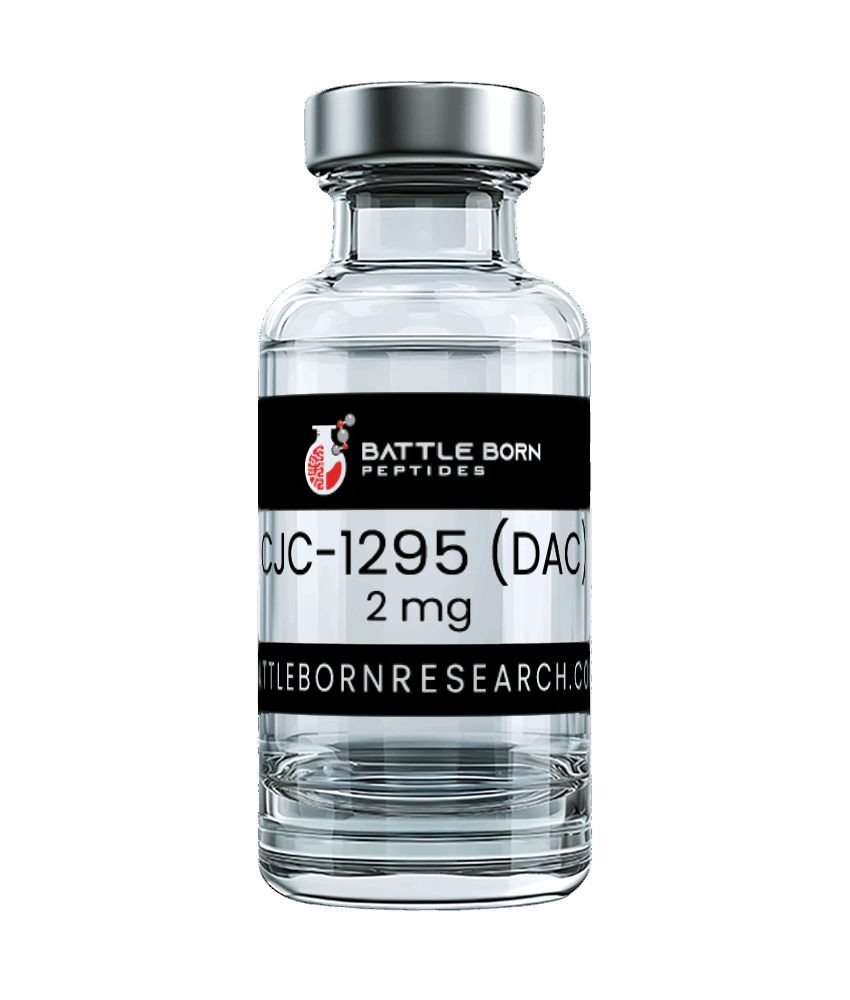
- CJC-1295 (DAC) 2mg
- CJC1295 + Ipamorelin Blend 10mg
- Cortagen 20mg
- DSIP 2mg
- Epithalon 10mg
- FOX04-DRI 10mg
- GHK-Cu 50mg
- GLP-1 - 10mg
- GLP-1 5mg
- GLP-1/GIP - 10mg
- GLP-1/GIP – 5mg
- GLP-1/GIP/Glucagon 10mg
- GLP-1/GIP/Glucagon – 5mg
- Gonadorelin 10mg
- HCG 5000 IU
- Hexarelin 2mg
- IGF-1 LR3 1mg
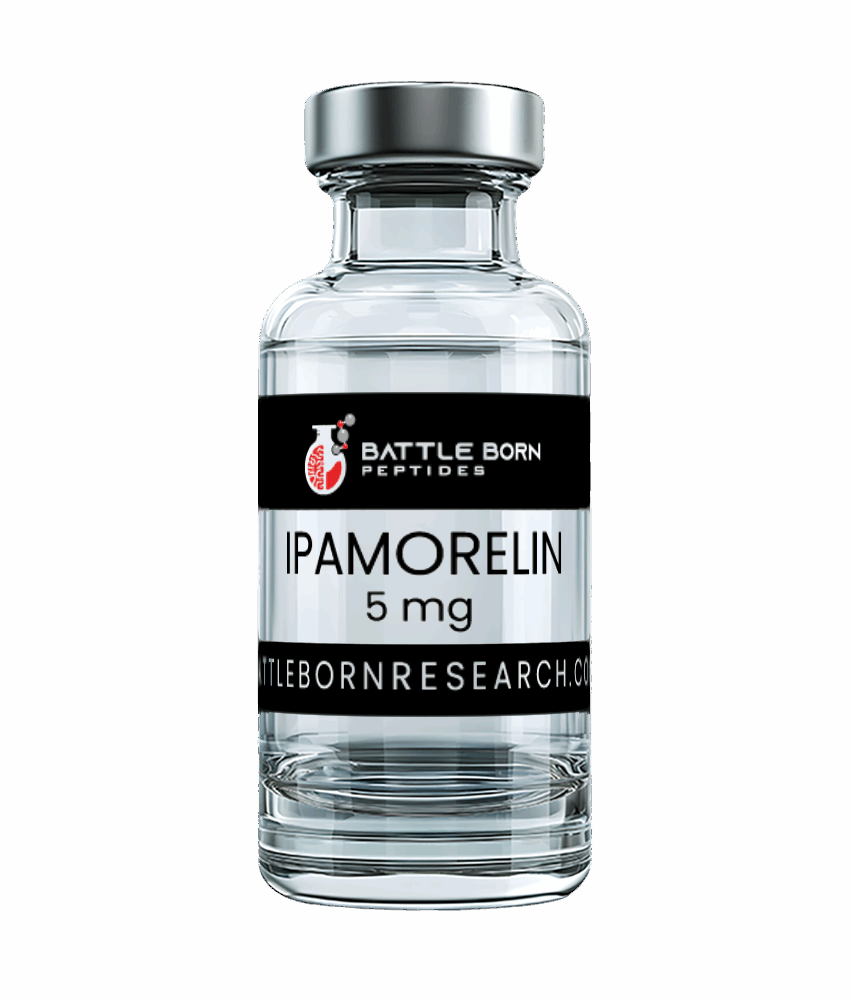
- Ipamorelin 5mg
- Kisspeptin 10mg
- Kisspeptin 5mg
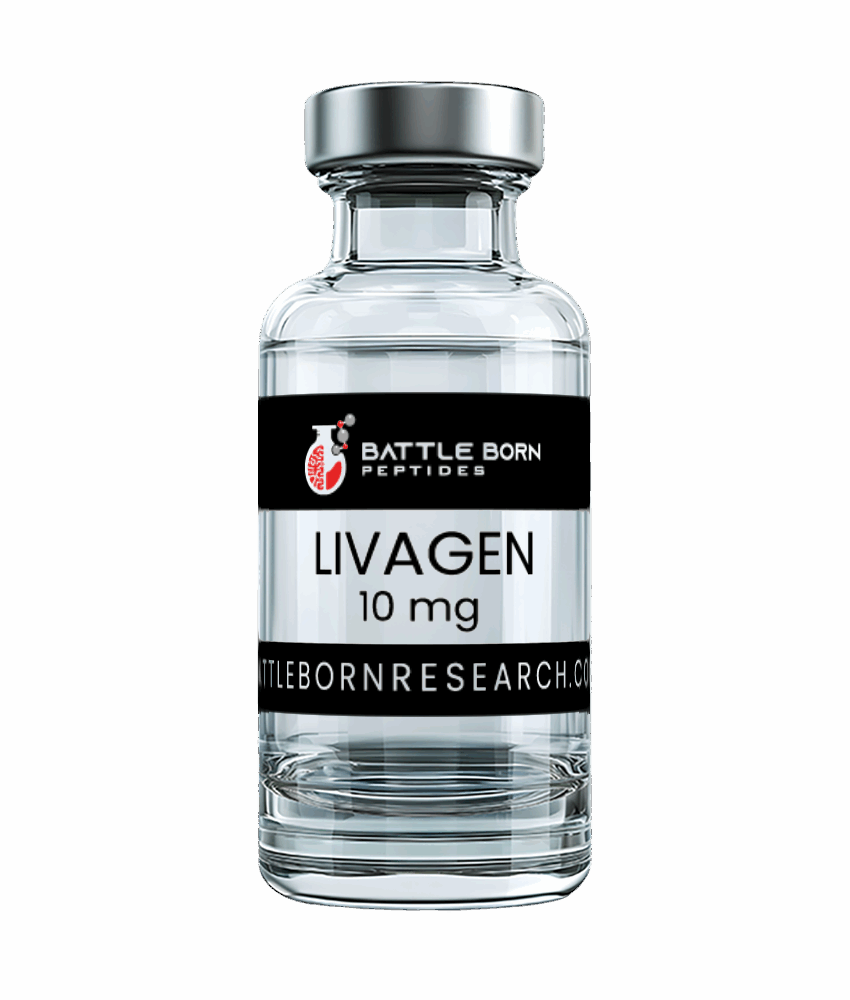
- Livagen 10mg
- LL-37 5mg
- Melanotan 1 10mg
- Melanotan 2 10mg
- MOTS-c 10MG
- NAD+ 1000mg
- Oxytocin 2mg
- Pinealon 20mg
- PT-141 10mg
- Reconstitution Solution (BAC Water) 10ml
- Selank 5mg
- Semax 5mg
- Sermorelin 2mg
- SS-31 10mg
- TB-500 5mg
- Tesamorelin 10mg
- Tesamorelin 5mg
- Thymosin Alpha-1 5mg