


Duke at Durham, UNC at Chapel Hill, NC State at Raleigh and Wake Forest at Winston-Salem, with Research Triangle Park sitting among the first three: North Carolina concentrates a great deal of laboratory buying into a small area. Battle Born Peptides delivers dried peptide reference material and reagents there in three to five business days, tracked, with carriage waived above $100 and independent reverse-phase HPLC behind every catalog product.
- 3–5 daysTriangle and beyond
- $100+Carriage waived
- TrackedEvery consignment
- HPLCOutside analysis
Delivery to North Carolina
The whole state quotes at three to five business days from dispatch: Raleigh, Durham and Chapel Hill, plus Charlotte, Greensboro and Winston-Salem, with Research Triangle Park addresses on the same footing. Consignments are tracked, and carriage is waived over $100. The destinations used most:
| Destination | Typical transit | Note |
|---|---|---|
| Raleigh | 3–5 business days | North Carolina State University campus deliveries |
| Durham | 3–5 business days | Duke University; Research Triangle Park addresses |
| Chapel Hill | 3–5 business days | University of North Carolina at Chapel Hill |
| Charlotte | 3–5 business days | Standard domestic window |
| Greensboro | 3–5 business days | Standard domestic window |
| Winston-Salem | 3–5 business days | Wake Forest University campus deliveries |
Dried, sealed vials travel at room temperature in packaging that owes nothing to the destination. From the signature onward only the receiving laboratory’s procedures bear on the material, ours having ended at the door.
Receiving a shipment at a North Carolina address
Four campuses absorb most of this traffic, Duke, UNC Chapel Hill, NC State and Wake Forest, and all four receive centrally. A delivery scan therefore records a dock, with internal mail and departmental distribution still to run: a few hours, or as much as a working day. Planning for that is easier than hunting down a parcel that has been on campus since yesterday.
Timing orders around Triangle receiving docks
Receiving at Duke, UNC Chapel Hill and NC State largely runs to weekday hours, so a parcel arriving at the end of the week may sit until Monday. On a three-to-five-day transit an early-week order is likelier to land midweek, and the tracking number sent at dispatch lets a dock look out for it.
Once the carton is open, three quick comparisons finish it: vials against the order, seals and crimps against damage, cap color against the product bought. A discrepancy is far easier to raise before the material has been booked into a store. Our guide to checking a peptide order on arrival lists them in order, and the overview of lyophilized peptides explains the freeze-dried appearance.
Research institutions and industry in North Carolina
The Research Triangle universities — Duke University in Durham, the University of North Carolina at Chapel Hill and North Carolina State University in Raleigh — run three large research programs within a few miles of one another, with Wake Forest University in Winston-Salem adding further capacity. Purchasing from all four campuses, whether departmental, core-facility or grant-funded, is routine for us.
Research Triangle Park is one of the largest research parks in the world and holds a very high density of contract research organizations, analytical laboratories and independent research groups. Supplier qualification there is rigorous and paperwork-driven; a supplier that publishes its analysis and states plainly what it does not issue tends to survive that scrutiny better than one that does not — see building a supplier qualification file.
What we supply
Two purchasing worlds sit within a few miles of each other. The universities buy by department, core facility or grant, while the contract research organizations, analytical laboratories and independent groups of Research Triangle Park buy under qualification, with a protocol already fixed and the same lines reordered across a study; a campus group is likelier to buy once against a single experiment. Neither is served by a catalog built around intended outcomes, so this one is sorted by receptor system and pathway, a compound count against each heading that saves a reader opening a family to find out how big it is, and laboratories in Charlotte and Greensboro work from it on identical terms:
- GHRH and ghrelin receptor peptides9 catalog items
- Incretin and metabolic receptor compounds7 catalog items
- Chromatin and gene-expression peptides7 catalog items
- Extracellular matrix and cell-migration peptides4 catalog items
- GnRH and kisspeptin signaling peptides4 catalog items
- Mitochondrial and senescence peptides4 catalog items
- Melanocortin receptor peptides3 catalog items
- Neuropeptide and CNS signaling compounds4 catalog items
- Antimicrobial and cytokine-pathway peptides3 catalog items
- Laboratory solvents and supplies1 catalog item
Solvents and laboratory supplies have a category of their own with composition stated. Every compound and size is gathered again in one list at the end of this page.
How purity is established
Each product is analyzed by reverse-phase HPLC at a laboratory outside this business, with the size sold shown on the entry itself. Vials go out unnumbered, so the identification a bench relies on is the crimp with its cap color. Triangle purchasing offices tend to want that settled before a requisition moves. For the analytical background: how a chromatogram is read, purity next to net peptide content, and why they differ, and what is meant by third-party tested.
Buying from North Carolina
North Carolina supply goes to laboratory R&D purchasers, research institutions, universities and licensed researchers, verified as the order is placed. Departments at Duke, UNC Chapel Hill, NC State and Wake Forest, and the CROs of Research Triangle Park, can be set up with a standing account or buy on a purchase order raised by their institution, and doing it before a first order saves the delay later on. Quantities that repeat or run large are priced to the quantity.
We confirm what an entry is, what a vial contains, what analysis was carried out and where a consignment has reached. We do not discuss preparing, handling or dosing the material on any occasion, the researcher and the institution deciding that between them. Who is eligible to purchase research chemicals and standing accounts and purchase orders set out the rest.
Regulatory status in North Carolina
North Carolina puts nothing on the statute book that would exempt a buyer, which leaves federal law to answer the question by itself. The answer is a laboratory reagent for in-vitro research, unapproved for a person or an animal, and not sold toward clinical, diagnostic or therapeutic work. What an institution requires around handling and disposal is additional, and the purchaser carries it. The background sits in our page on what research use only means.
Questions from North Carolina purchasers
How long does delivery to Research Triangle Park take?
Three to five business days from dispatch is typical for RTP, Durham, Raleigh and Chapel Hill alike, and each parcel is tracked.
Who can order in North Carolina?
Research institutions, licensed researchers, universities and laboratory R&D purchasers, with each North Carolina buyer confirming that status at checkout. Consumer orders are not accepted.
Can a contract research organization buy on the same terms?
Yes. A CRO in the Triangle is treated exactly like a university department, and institutional purchase orders can be arranged before the first shipment.
What will you not provide?
Preparation, handling or dosing guidance, and any documentation we do not actually produce. We publish the independent HPLC analysis per product and identify vials by crimp and cap color, not by a batch identifier.
Is shipping to North Carolina free?
Orders over $100 go out free, from Charlotte to Chapel Hill. On smaller orders, checkout displays the shipping cost before you pay.
Nearby coverage
Our Southeast corridor runs through North Carolina and on to the neighboring states listed here:
Laboratories in the rest of the country order from the same catalog, under the same terms, with the same tracking.
Durham, Raleigh or Chapel Hill, every compound and every published test sits in one catalog.
Research use only
Everything below the heading is a laboratory reagent for research, and the research has to be in vitro and in professional hands. That rules out a great deal: nothing given to people, nothing given to animals, no approval from the FDA or a counterpart body that would permit either, and no standing as a drug, a food, a dietary supplement, a cosmetic or a medical device. Material bought here stays with the buyer, who must be a laboratory R&D purchaser, a research institution, a university or a licensed researcher, and it is not for resale, for repackaging or for handing on. The full research-use terms apply throughout.
Compounds catalogued
Every compound below is supplied as a laboratory reference material for in-vitro research use only. Names and vial sizes are listed for identification; no property or use is claimed for any of them.
- AOD-9604 5mg
- ARA 290 15mg
- BPC-157 5mg
- BPC-157 + TB500 + MGF Blend 18.5mg
- Cardiogen 20mg
- Cartalax 20mg
- Chonluten 20mg
- CJC-1295 5mg
- CJC-1295 (DAC) 2mg
- CJC1295 + Ipamorelin Blend 10mg
- Cortagen 20mg
- DSIP 2mg
- Epithalon 10mg
- FOX04-DRI 10mg
- GHK-Cu 50mg
- GLP-1 - 10mg
- GLP-1 5mg
- GLP-1/GIP - 10mg
- GLP-1/GIP – 5mg
- GLP-1/GIP/Glucagon 10mg
- GLP-1/GIP/Glucagon – 5mg
- Gonadorelin 10mg
- HCG 5000 IU
- Hexarelin 2mg
- IGF-1 LR3 1mg
- Ipamorelin 5mg
- Kisspeptin 10mg
- Kisspeptin 5mg
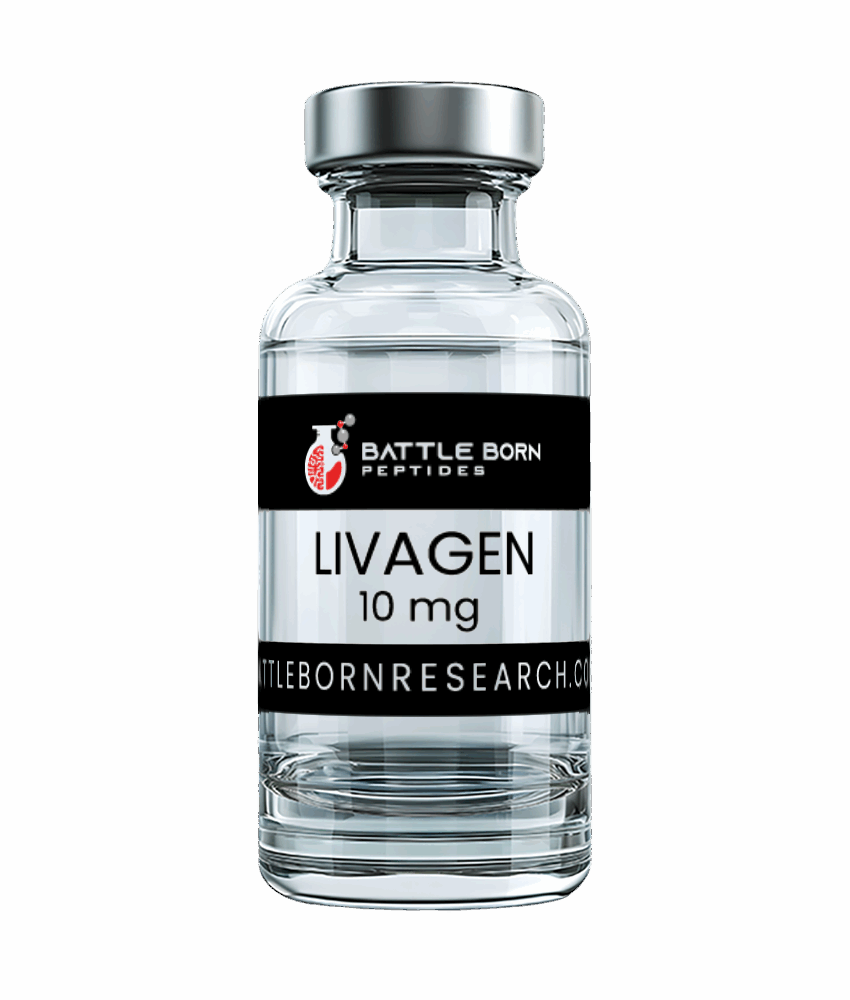
- Livagen 10mg
- LL-37 5mg
- Melanotan 1 10mg
- Melanotan 2 10mg
- MOTS-c 10MG
- NAD+ 1000mg
- Oxytocin 2mg
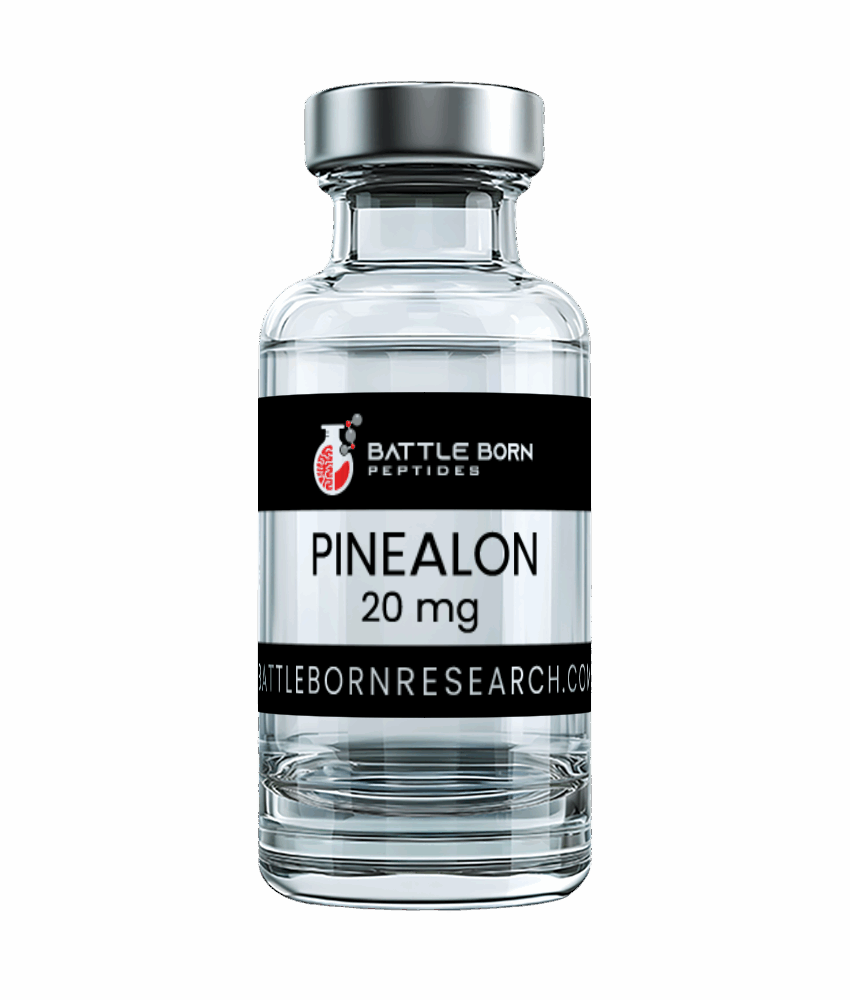
- Pinealon 20mg
- PT-141 10mg
- Reconstitution Solution (BAC Water) 10ml
- Selank 5mg
- Semax 5mg
- Sermorelin 2mg
- SS-31 10mg
- TB-500 5mg
- Tesamorelin 10mg
- Tesamorelin 5mg
- Thymosin Alpha-1 5mg