

Battle Born Peptides supplies Pennsylvania research institutions, licensed researchers, universities and laboratory R&D purchasers with lyophilized research peptides and laboratory reagents, in Philadelphia, Pittsburgh and everywhere between. Parcels reach Pennsylvania in 3 to 5 business days as a rule, all of them tracked, and every catalog product has its reverse-phase HPLC result published.
- 3–5 daysTypical transit to Pennsylvania
- $100+Ships free in the USA
- TrackedOn every order
- HPLCTested per product
Delivery to Pennsylvania
Pennsylvania is a broad state whose research weight is parked at either end of it, and the transit figure accommodates that: three to five business days reaches Philadelphia in the east, Pittsburgh in the west, and State College, Hershey, Allentown and Erie in between. Tracking follows every Pennsylvania order to the door. Carriage ceases to be billed beyond $100, and the table gives the customary figure for the destinations our buyers use most.
| Destination | Typical transit | Note |
|---|---|---|
| Philadelphia | 3–5 business days | University of Pennsylvania, Temple, Drexel and the Wistar Institute |
| Pittsburgh | 3–5 business days | Carnegie Mellon University and the University of Pittsburgh |
| State College | 3–5 business days | Penn State campus deliveries |
| Hershey | 3–5 business days | Standard domestic window |
| Allentown | 3–5 business days | Standard domestic window |
| Erie | 3–5 business days | Standard domestic window |
Nothing in the packing is particular to Pennsylvania. Stoppered glass with dried contents rides at ordinary warmth precisely as it would toward any other destination, and once the carton is signed for, what becomes of the contents is a question for the receiving laboratory and the procedures it already follows. Directions do not issue from us.
Receiving a shipment at a Pennsylvania address
Three to five days of carriage may finish at a dock rather than a bench, and on a Pennsylvania campus that is the ordinary case. The University of Pennsylvania in Philadelphia, Pitt and Carnegie Mellon in Pittsburgh, and Penn State at State College each operate central receiving with internal distribution still to follow, a stage that swallows an afternoon in the best case and a full day in the common one. Schedules leaving room for it spare their authors a great many pointless enquiries.
A Thursday dispatch and a Pennsylvania Saturday
Docks at Penn, Pitt, Carnegie Mellon and Penn State largely observe weekday hours, so carriage of three to five days commencing on a Thursday can conclude just as they lock up. Commencing instead on Monday or Tuesday aims the delivery at midweek, and the number carried in the dispatch message lets the receiving team plan round it.
Whichever campus is involved, what happens at the point of opening is the same threefold comparison: glass counted against the order, closures examined for damage, and the color of each cap and crimp weighed against the record held for it. The balance appears in our procedure for an arriving consignment, and the reason the contents appear so dry is the subject of a description of freeze-drying.
Research institutions and industry in Pennsylvania
Pennsylvania holds research strength at both ends of the state: the University of Pennsylvania, Temple University, Drexel University and the Wistar Institute in Philadelphia; Carnegie Mellon University and the University of Pittsburgh in the west; and Penn State in the center. Core-facility, departmental and funded-project purchasing from any of these institutions is routine for us.
Philadelphia has become one of the most active cell and gene research clusters in the country, while Pittsburgh’s materials, robotics and computational research economy supports a large analytical services sector. Both hold suppliers to formal qualification, and both prefer documentation available in advance — see building a supplier qualification file.
What we supply
Receptor family and signaling route do the sorting here; an intended result plays no part at all. Pennsylvania purchasers generally arrive thinking in those terms already — the cell and gene groups around Philadelphia, the Wistar Institute, departments at Temple and Drexel, and on the western side the materials and computational programs of Carnegie Mellon and Pitt, all of which specify by route, by size and by purity instead of by application. Every heading below opens onto its compounds, sizes and prices:
- GHRH and ghrelin receptor peptides9 catalog items
- Incretin and metabolic receptor compounds7 catalog items
- Chromatin and gene-expression peptides7 catalog items
- Extracellular matrix and cell-migration peptides4 catalog items
- GnRH and kisspeptin signaling peptides4 catalog items
- Mitochondrial and senescence peptides4 catalog items
- Melanocortin receptor peptides3 catalog items
- Neuropeptide and CNS signaling compounds4 catalog items
- Antimicrobial and cytokine-pathway peptides3 catalog items
- Laboratory solvents and supplies1 catalog item
Each compound recurs with all of its sizes in the single run closing this page, ordinarily the quicker path when a Philadelphia or Pittsburgh core facility is assembling a quotation spanning several headings at once. Reagent solvents and general supplies sit under a heading of their own instead of among the peptides.
How purity is established
Purity figures throughout come from reverse-phase HPLC executed by a laboratory independent of ours, with cap and crimp color serving as the tie between a vial and the run behind it. Pennsylvania’s analytical services sector will treat that as obvious, but for buyers newer to the ground, an introduction to reading peaks comes first, and then how a stated percentage departs from net peptide content and what an outside verification is worth.
Buying from Pennsylvania
Orders are taken in Pennsylvania from four kinds of buyer — research institutions, licensed researchers, universities and laboratory R&D purchasers — and from nobody besides. Whether it is a department at Penn or Temple in Philadelphia, or a core facility at Carnegie Mellon or Pitt out west, the routes match: an account, or a purchase order raised however that institution normally raises one. The single thing worth doing early is warning us an order is coming, so the paperwork settles before it lands, and work that repeats or scales can be costed accordingly.
Buyers here may ask which catalog entry something answers to, the quantity inside a vial, the finding of the run, or the present position of a shipment. Direction on making up, handling or dosing is never supplied — less a matter of policy than of ownership, given that the researcher competent to decide, with their institution, owns those choices outright. For procurement detail, see the limits drawn round research chemical buyers and setting up an account and ordering through it.
Regulatory status in Pennsylvania
What governs this material in Pennsylvania is federal rather than local: it amounts to reference stock confined to the in-vitro laboratory, and the Commonwealth supplies no exemption that would change matters. Additional obligations, when a purchaser meets them here, originate with the institution instead of the statute book, generally covering storage, handling and disposal. The term is explained at the designation unpacked, and the page written for the whole country carries the national position complete.
Questions from Pennsylvania purchasers
How long does delivery to Philadelphia or Pittsburgh take?
Three to five business days from dispatch for both cities, and State College, Hershey, Allentown and Erie are in the same range, with tracking on each parcel.
Who is eligible to buy in Pennsylvania?
Pennsylvania buyers must be research institutions, licensed researchers, universities or laboratory R&D purchasers, and they confirm that at checkout. Consumer sales are not made.
Can a Pennsylvania institution pay by purchase order?
Yes. Let us know before the first order and we will have the Pennsylvania account and paperwork ready.
Is there a batch identifier to record?
No. Vials carry no batch identifier; a vial is matched to its published HPLC analysis by crimp and cap color, and we would rather state that plainly than imply paperwork we do not issue.
Is shipping to Pennsylvania free?
Orders over $100 ship free to any Pennsylvania address. Below that, checkout shows the shipping cost before payment is taken.
Nearby coverage
Pennsylvania sits where our Mid-Atlantic and Great Lakes corridors meet, and both carry on into these neighboring states:
Every other state is supplied from the same catalog under the same terms.
Pennsylvania laboratories can review each compound, vial size and published test before ordering.
Research use only
What this page describes exists for in-vitro research and analysis conducted by qualified staff. It is reference stock: not pharmaceutical goods, not food, not a supplement, not a device, and nothing about it is meant for a person or an animal. No regulator has cleared it, and it promises nothing by way of identifying, remedying or forestalling any condition. Buying is confined to four descriptions — research institutions, licensed researchers, universities and laboratory R&D purchasers. Selling the stock on, transferring it into fresh containers, or directing it toward human or veterinary use, is forbidden. Our conditions of sale give the statement in its entirety.
Compounds catalogued
Every compound below is supplied as a laboratory reference material for in-vitro research use only. Names and vial sizes are listed for identification; no property or use is claimed for any of them.
- AOD-9604 5mg
- ARA 290 15mg
- BPC-157 5mg
- BPC-157 + TB500 + MGF Blend 18.5mg
- Cardiogen 20mg
- Cartalax 20mg
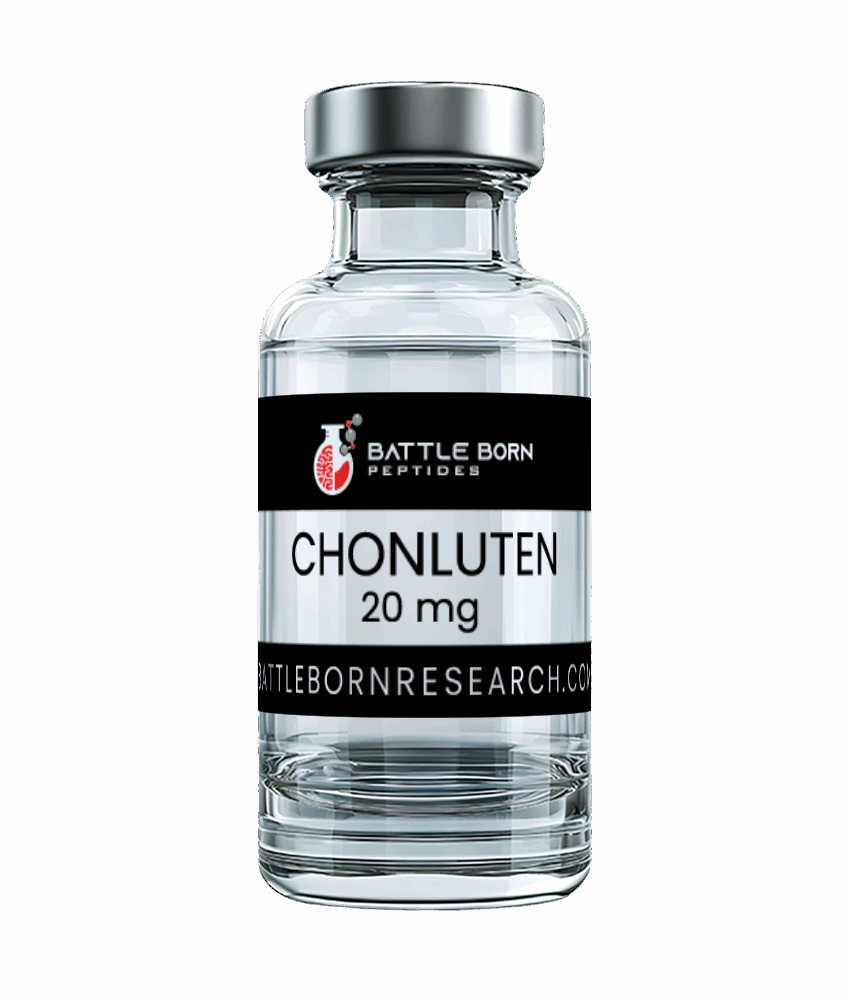
- Chonluten 20mg
- CJC-1295 5mg
- CJC-1295 (DAC) 2mg
- CJC1295 + Ipamorelin Blend 10mg
- Cortagen 20mg
- DSIP 2mg
- Epithalon 10mg
- FOX04-DRI 10mg
- GHK-Cu 50mg
- GLP-1 - 10mg
- GLP-1 5mg
- GLP-1/GIP - 10mg
- GLP-1/GIP – 5mg
- GLP-1/GIP/Glucagon 10mg
- GLP-1/GIP/Glucagon – 5mg
- Gonadorelin 10mg
- HCG 5000 IU
- Hexarelin 2mg
- IGF-1 LR3 1mg
- Ipamorelin 5mg
- Kisspeptin 10mg
- Kisspeptin 5mg
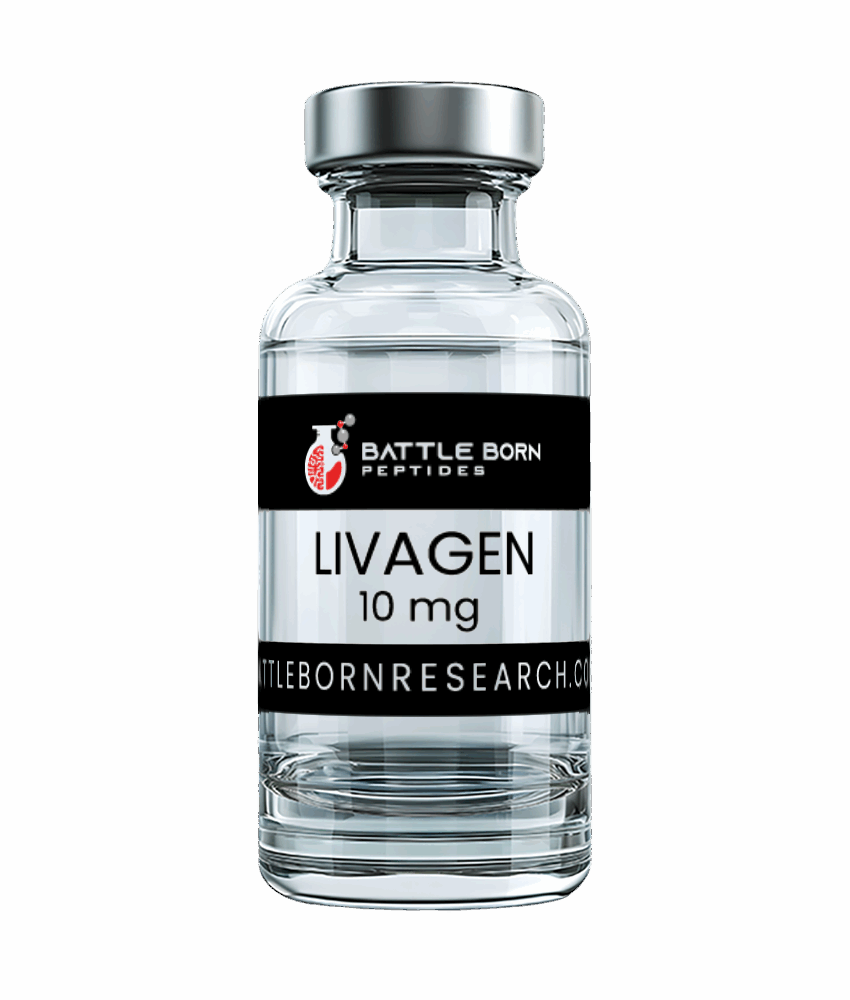
- Livagen 10mg
- LL-37 5mg
- Melanotan 1 10mg
- Melanotan 2 10mg
- MOTS-c 10MG
- NAD+ 1000mg
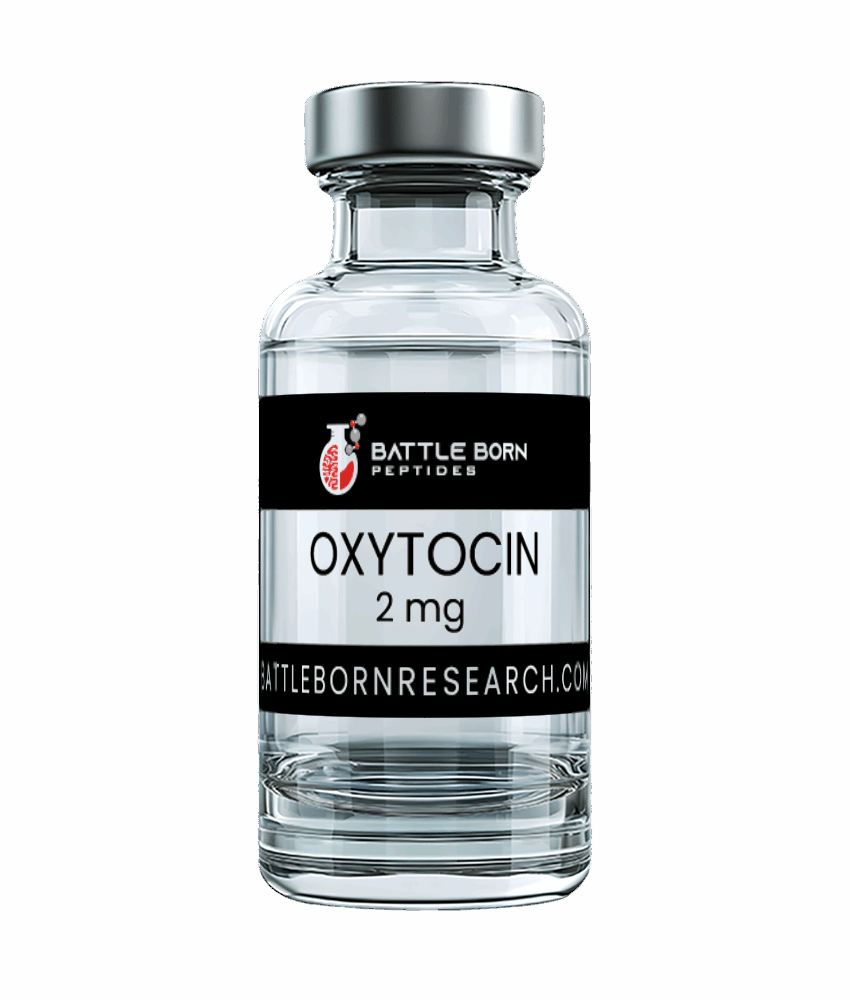
- Oxytocin 2mg
- Pinealon 20mg
- PT-141 10mg
- Reconstitution Solution (BAC Water) 10ml
- Selank 5mg
- Semax 5mg
- Sermorelin 2mg
- SS-31 10mg
- TB-500 5mg
- Tesamorelin 10mg
- Tesamorelin 5mg
- Thymosin Alpha-1 5mg