
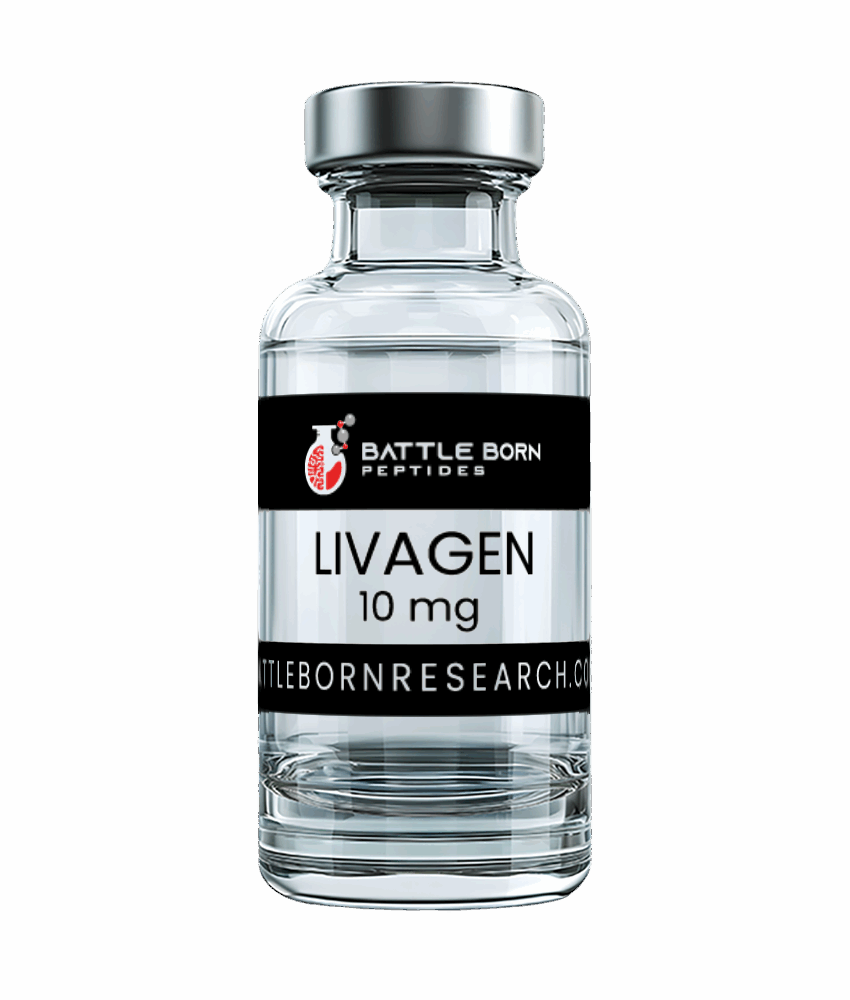
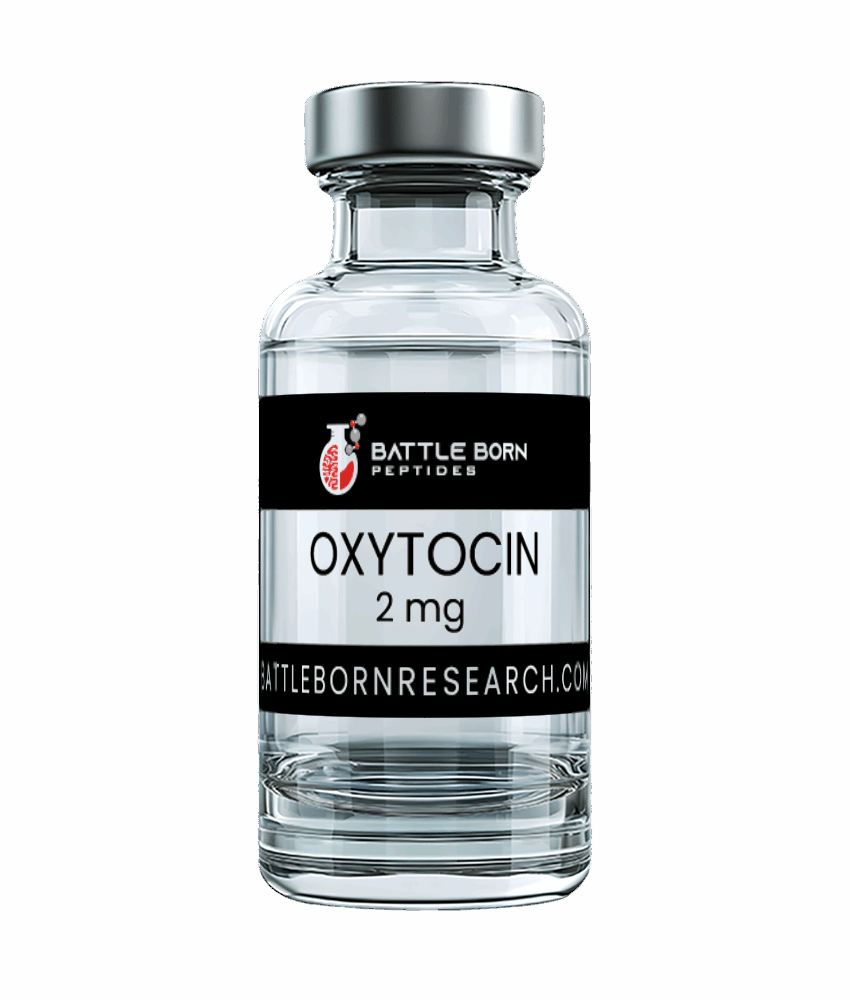

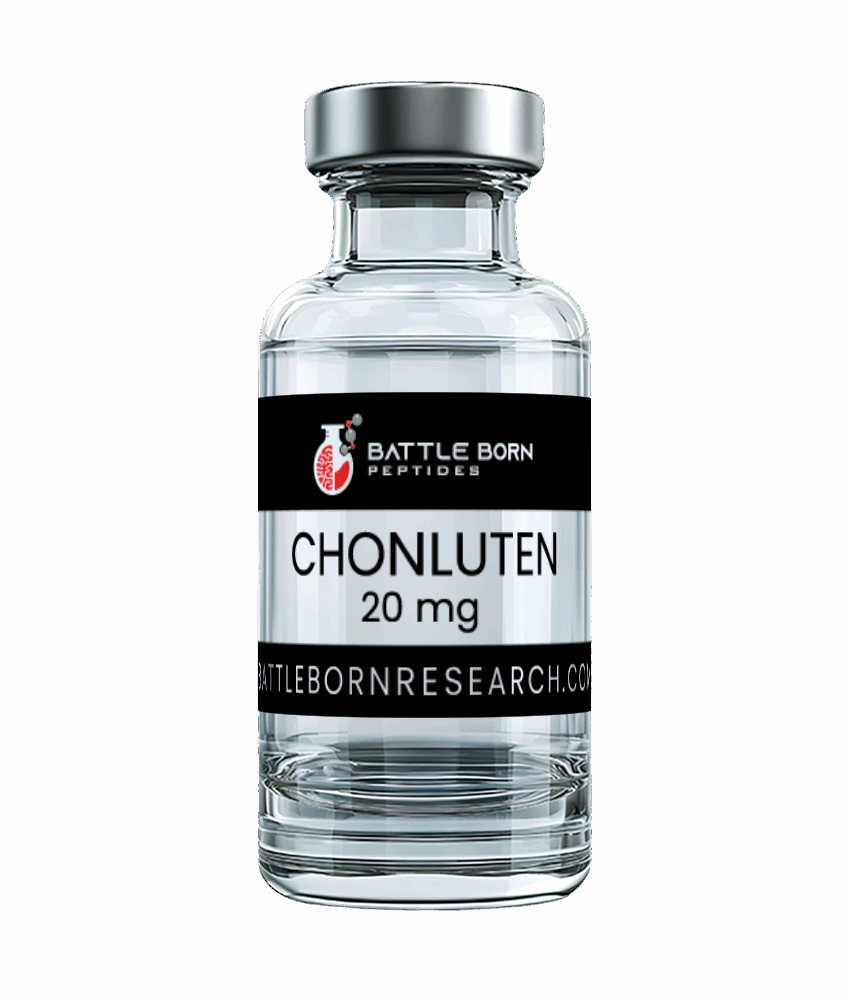
Research institutions, licensed researchers, universities and laboratory R&D purchasers across Texas, from Houston and the Metroplex to El Paso, receive lyophilized research peptides and laboratory reagents from Battle Born Peptides. Most Texas orders arrive within 2 to 4 business days with tracking throughout, and each product’s reverse-phase HPLC analysis is published on the product itself.
- 2–4 daysTypical transit to Texas
- $100+Ships free in the USA
- TrackedOn every order
- HPLCTested per product
Delivery to Texas
Mileage is the only real variable in a Texas delivery. Big metros and the main university towns come in at two to four business days; El Paso and the far west land at the outer edge of that same span, for no more interesting reason than how far the truck has to go. A number is raised at dispatch and stays live to the door, and carriage stops being charged above $100.
| Destination | Typical transit | Note |
|---|---|---|
| Houston | 2–4 business days | Includes the Texas Medical Center campuses |
| Dallas and Fort Worth | 2–4 business days | Metroplex addresses, including Pegasus Park |
| Austin | 2–4 business days | University and independent lab addresses |
| San Antonio | 2–4 business days | Includes Southwest Research Institute |
| College Station | 2–4 business days | Texas A&M campus deliveries |
| El Paso and West Texas | 2–4 business days | Longer end of the window |
A carton holds freeze-dried vials, capped and sealed, riding at ambient temperature — prepared for Texas precisely as for anywhere else on the map. What becomes of a vial after arrival is decided by the laboratory receiving it under procedures of its own, and nothing instructional travels in the box.
Receiving a shipment at a Texas address
On a Texas campus, university or hospital, the delivery scan belongs to a central dock and not to the group that ordered. Houston, Austin and College Station all run at a scale where campus mail and a departmental hand-off follow that scan, costing a few hours ordinarily and a whole working day now and then. A timeline drawn with that stage in it saves a good deal of refreshing.
The far west and a locked dock
El Paso and West Texas addresses sit at the outer edge of the two-to-four-day span, which makes a late-week order there likelier than any other in the state to arrive after receiving has closed. The same remedy works on any Texas campus lacking weekend cover, Houston and College Station included: dispatch at the top of the week and let the number raised at dispatch warn the dock.
Unpacking wants no more than a careful look — the right count of vials, seals and crimps undisturbed, and coloring on every cap and crimp that answers to the record kept for that product. Anything further worth examining appears in the arrival routine, and the look of the material is accounted for in a note on freeze-drying.
Research institutions and industry in Texas
Texas carries one of the largest research bases in the country: the University of Texas at Austin, UT Southwestern in Dallas, Rice University and Baylor College of Medicine in Houston, and Texas A&M University in College Station. Departmental accounts, core-facility purchasing and funded-project orders from these Texas institutions are everyday business for us.
The Texas Medical Center in Houston is the largest concentration of research institutions of its kind anywhere, Southwest Research Institute in San Antonio is among the biggest independent applied research organizations in the United States, and Pegasus Park in Dallas has drawn a newer cluster of independent laboratories. Supplier qualification across all three is formal, and we are glad to supply what a qualification file asks for — see building a supplier qualification file.
What we supply
Headings answer to receptor system or pathway of study; they never answer to a purpose. Texas gives that index plenty of work — departments at UT Austin and Texas A&M, core facilities inside the Texas Medical Center, the laboratories of UT Southwestern, the newer independent tenants at Pegasus Park in Dallas, and the applied programs of Southwest Research Institute in San Antonio. Follow any heading below to its compounds, the sizes carried and their prices:
- GHRH and ghrelin receptor peptides9 catalog items
- Incretin and metabolic receptor compounds7 catalog items
- Chromatin and gene-expression peptides7 catalog items
- Extracellular matrix and cell-migration peptides4 catalog items
- GnRH and kisspeptin signaling peptides4 catalog items
- Mitochondrial and senescence peptides4 catalog items
- Melanocortin receptor peptides3 catalog items
- Neuropeptide and CNS signaling compounds4 catalog items
- Antimicrobial and cytokine-pathway peptides3 catalog items
- Laboratory solvents and supplies1 catalog item
Everything at once appears in the run that ends the page, which is the faster reference when a Medical Center core facility is assembling a quote spanning several headings. Solvents and general stores keep a heading of their own, clear of the peptides.
How purity is established
Chromatography settles the question, and it happens off these premises: reverse-phase HPLC run at a laboratory with no connection to us, with colored caps and crimps distinguishing which vial goes with which run. Inside the Medical Center, and at Southwest Research Institute, none of this needs saying. Anyone else may care to look at peak interpretation on a chromatogram, why a percentage overstates what a vial actually contains, and the substance that should underlie an outside testing claim.
Buying from Texas
Across Texas we serve only those categories of purchaser set out where this page ends. Opening an account looks much the same whether it is done by a UT Austin department, by a core facility inside the Medical Center, or against a funded project at Texas A&M; an institutional purchase order raises no obstacle provided word reaches us before the order does. Volume, and work that returns season after season, attract pricing that reflects them.
Plenty is answerable: the compound behind a listing, the amount a vial carries, what the chromatography concluded, the leg of the journey a shipment has reached. One subject is not, ever, in any formulation — how material ought to be made up, handled or dosed. That determination is reserved to a qualified researcher acting with their institution, and it is not a supplier’s to volunteer. Procurement is examined further at how tightly the eligible-buyer definition is drawn and registering an account and billing against it.
Regulatory status in Texas
Nothing in Texas law touches the classification. It is fixed federally, as reference stock for the in-vitro bench, and that is how the material crosses into the state. Should a purchaser here carry further duties, those originate institutionally — a university, a hospital system or a research employer issuing its own instructions on keeping, handling and discarding what it buys. The designation in full covers the term; our countrywide page holds the national statement.
Questions from Texas purchasers
How long does delivery to Houston or Dallas take?
Both metros are normally reached 2 to 4 business days after dispatch, with a tracking number for each parcel. West Texas addresses sit at the longer end of that window.
Who is eligible to purchase in Texas?
Eligibility is limited to research institutions, licensed researchers, universities and laboratory R&D purchasers, confirmed by each Texas buyer at checkout. Consumers cannot order.
Can you invoice a university department or institute?
Yes. A purchase order from a Texas department or institute is accepted once the account has been set up with us ahead of the first order.
Is there analysis I can read before ordering?
Yes. An independent laboratory runs reverse-phase HPLC on each product and the result is published on its listing. Crimp and cap color is what links a vial to that result.
Is shipping to Texas free?
Anything above $100 ships to Texas free of charge. For smaller orders the shipping cost appears at checkout, before you pay.
Nearby coverage
Texas anchors the south of our network, and the bordering states below, like the rest of the country, are served on identical terms:
From the Gulf Coast to El Paso, the full catalog of compounds, vial sizes and published tests is open to browse.
Research use only
Consider first the negatives. Nothing catalogued above is a medicine, a food, a dietary supplement, a cosmetic, a medical instrument, or anything a regulator has ever approved for administration to people or creatures. What they are is reference stock for research and measurement conducted in glass by qualified staff, inside a laboratory, with no claim attached about detecting, relieving or averting any condition, and none about altering the structure or workings of a body. Purchase rights sit with research institutions, licensed researchers, universities and laboratory R&D purchasers. Moving stock onward, decanting it, or steering it into human or animal use, is barred. See the terms of supply.
Compounds catalogued
Every compound below is supplied as a laboratory reference material for in-vitro research use only. Names and vial sizes are listed for identification; no property or use is claimed for any of them.
- AOD-9604 5mg
- ARA 290 15mg
- BPC-157 5mg
- BPC-157 + TB500 + MGF Blend 18.5mg
- Cardiogen 20mg
- Cartalax 20mg
- Chonluten 20mg
- CJC-1295 5mg
- CJC-1295 (DAC) 2mg
- CJC1295 + Ipamorelin Blend 10mg
- Cortagen 20mg
- DSIP 2mg
- Epithalon 10mg
- FOX04-DRI 10mg
- GHK-Cu 50mg
- GLP-1 - 10mg
- GLP-1 5mg
- GLP-1/GIP - 10mg
- GLP-1/GIP – 5mg
- GLP-1/GIP/Glucagon 10mg
- GLP-1/GIP/Glucagon – 5mg
- Gonadorelin 10mg
- HCG 5000 IU
- Hexarelin 2mg
- IGF-1 LR3 1mg
- Ipamorelin 5mg
- Kisspeptin 10mg
- Kisspeptin 5mg
- Livagen 10mg
- LL-37 5mg
- Melanotan 1 10mg
- Melanotan 2 10mg
- MOTS-c 10MG
- NAD+ 1000mg
- Oxytocin 2mg
- Pinealon 20mg
- PT-141 10mg
- Reconstitution Solution (BAC Water) 10ml
- Selank 5mg
- Semax 5mg
- Sermorelin 2mg
- SS-31 10mg
- TB-500 5mg
- Tesamorelin 10mg
- Tesamorelin 5mg
- Thymosin Alpha-1 5mg