

Reference material on the compounds we supply and on the practice of buying them: sequence and identity references, how purity is actually measured, how to evaluate a supplier, and what research-use status requires in practice. Nothing here describes what any compound does or how it would be used.
Compound Identity
Sequence, nomenclature and analytical identity for individual compounds. What the name on the vial actually refers to.
19 articlesCJC-1295 vs CJC-1295 DAC: What Is the Difference?
The three letters in brackets change the molecule, its mass and its analysis. The distinction that causes the most ordering errors in this category.
Read the referenceCompound IdentityGLP-1, GIP and Glucagon: Reading Incretin Nomenclature
Products named for receptor systems rather than brand names are labelled that way deliberately. How to read those names, and why the convention…
Read the referenceCompound IdentityWhat Is BPC-157? Sequence, Identity and Analytical Profile
An identity reference for BPC-157: sequence, nomenclature, and the analytical characteristics that shape how it behaves on a column.
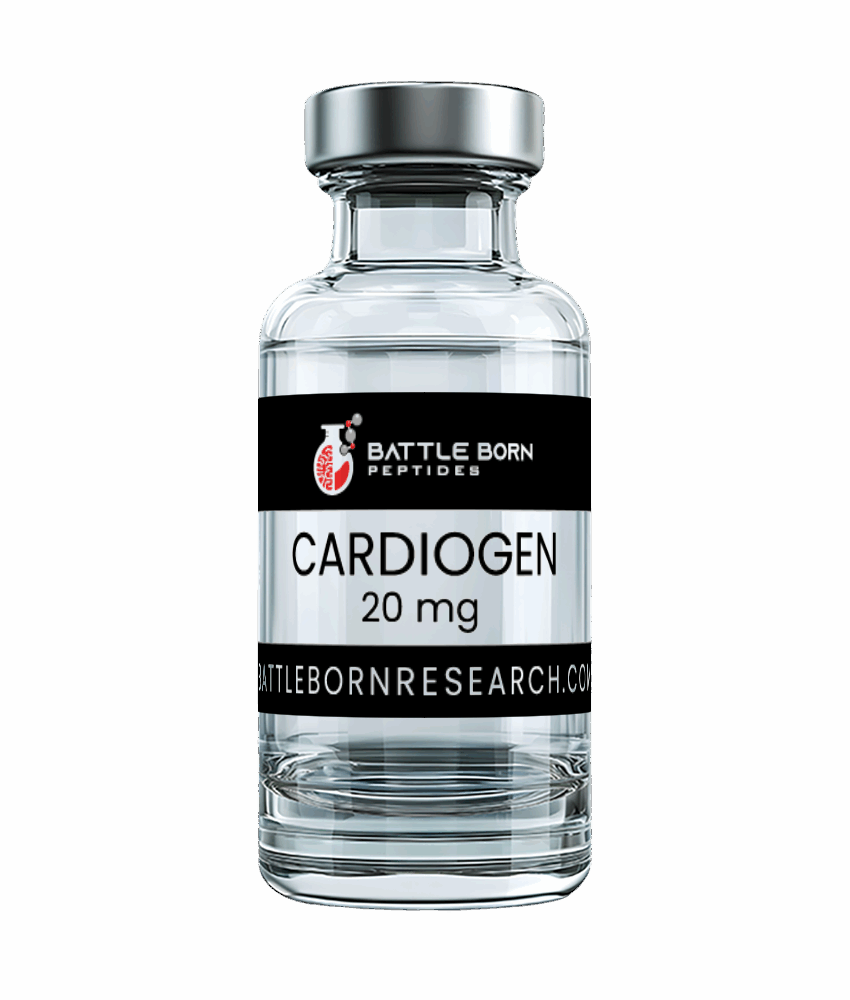
Read the referenceCompound IdentityWhat Is Cardiogen? Sequence, Identity and Analytical Profile
Cardiogen is the trade designation for the tetrapeptide Ala-Glu-Asp-Arg (AEDR). Sequence, mass, chromatographic behaviour and verification.
Read the referenceCompound IdentityWhat Is Cartalax? Sequence, Identity and Analytical Profile
Cartalax is the trade designation for the tripeptide Ala-Glu-Asp (AED). Sequence, mass, HPLC behaviour, and how to verify what is in a vial.
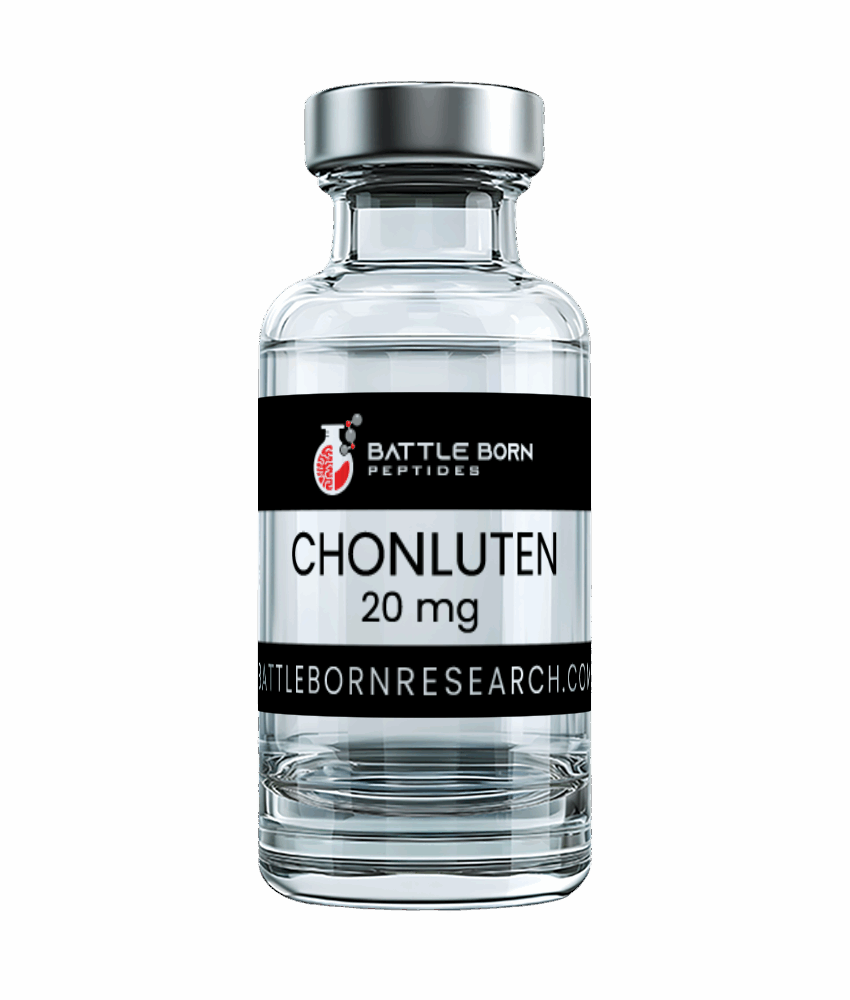
Read the referenceCompound IdentityWhat Is Chonluten? Sequence, Identity and Analytical Profile
Chonluten is the trade designation for the tripeptide Glu-Asp-Gly (EDG). Sequence, expected mass, reverse-phase behaviour and how to verify vial…
Read the referenceCompound IdentityWhat Is Cortagen? Sequence, Identity and Analytical Profile
Cortagen is the trade designation for the tetrapeptide Ala-Glu-Asp-Pro (AEDP). Sequence, mass, why the proline matters, and how to verify it.
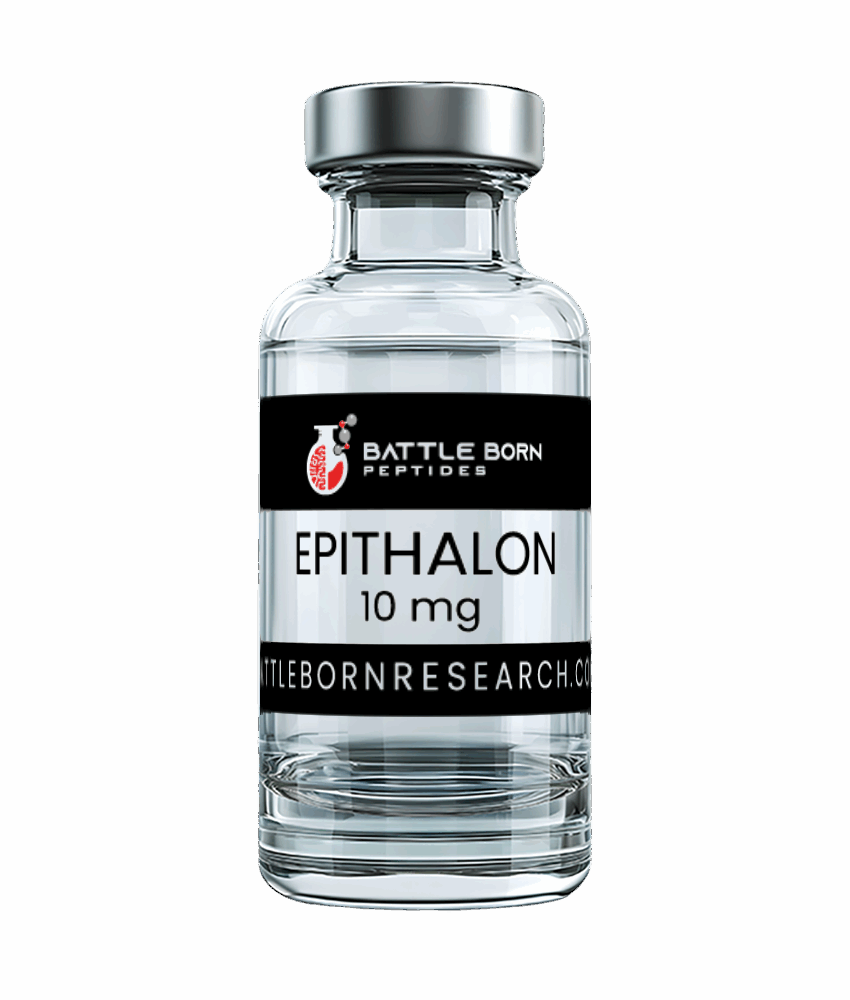
Read the referenceCompound IdentityWhat Is Epithalon? Sequence, Identity and Analytical Profile
Epithalon is the tetrapeptide Ala-Glu-Asp-Gly (AEDG), about 390 g/mol. Sequence, the related short peptides, HPLC behaviour and verification.
Read the referenceCompound IdentityWhat Is FOXO4-DRI (Proxofim)? Identity and Analytical Profile
FOXO4-DRI, also sold as Proxofim, is a 46-residue all-D retro-inverso peptide of about 5,358 g/mol. What that means and why it analyses oddly.
Read the referenceCompound IdentityWhat Is GHK-Cu? The Copper Tripeptide, Analytically
GHK-Cu is a metal complex, not simply a tripeptide, and that changes how it must be handled analytically. An identification reference.
Read the referenceCompound IdentityWhat Is Gonadorelin? GnRH Decapeptide Identity Reference
Gonadorelin is synthetic GnRH: a ten-residue peptide with a pyroglutamate N-terminus and a C-terminal amide. Sequence, mass and verification.
Read the referenceCompound IdentityWhat Is Ipamorelin? Sequence and Non-Natural Residues
Ipamorelin contains residues that do not appear in proteins, and that is the most important thing to know when confirming its identity. A reference.
Read the referenceCompound IdentityWhat Is Livagen? Sequence, Identity and Analytical Profile
Livagen is the trade designation for the tetrapeptide Lys-Glu-Asp-Ala (KEDA). Sequence, mass, charge behaviour on HPLC and how to verify it.
Read the referenceCompound IdentityWhat Is Pinealon? Sequence, Identity and Analytical Profile
Pinealon is the trade designation for the tripeptide Glu-Asp-Arg (EDR). Sequence, mass, what the arginine does to HPLC, and how to verify it.
Read the referenceCompound IdentityWhat Is Selank? Sequence, Identity and Analytical Profile
Selank is the heptapeptide Thr-Lys-Pro-Arg-Pro-Gly-Pro: tuftsin plus Pro-Gly-Pro. Sequence, mass, and why three prolines broaden the peak.
Read the referenceCompound IdentityWhat Is Semax? Sequence, Identity and Analytical Profile
Semax is the heptapeptide Met-Glu-His-Phe-Pro-Gly-Pro, about 814 g/mol. Sequence, the methionine oxidation impurity to look for, and how to verify a…
Read the referenceCompound IdentityWhat Is Sermorelin? Identity and Its Relationship to GRF(1-29)
Sermorelin denotes a specific 29-residue amide. Understanding its relationship to the modified GRF analogues clarifies a category where names overlap…
Read the referenceCompound IdentityWhat Is TB-500? Identity, Nomenclature and Thymosin Beta-4
TB-500 is a name that gets applied to more than one thing. An identification reference for what it denotes, and why the distinction matters when you…
Read the referenceCompound IdentityWhat Is Thymosin Alpha-1? Sequence and Identity Reference
A longer sequence than most in this catalogue, N-terminally acetylated, and easily confused with the thymosin beta family. An identification…
Read the referenceAnalytical Methods
How purity is measured, what a chromatogram shows, and which numbers on a certificate mean what.
12 articlesBacteriostatic Water vs Sterile Water: What the Labels Mean
Bacteriostatic water is sterile water with 0.9% benzyl alcohol; sterile water has no additive. What each label means and where it matters.
Read the referenceAnalytical MethodsCommon Peptide Synthesis Impurities and How to Spot Them
Synthetic peptides do not fail cleanly. The characteristic by-products of SPPS are near-relatives of the target, which is exactly why they are hard…
Read the referenceAnalytical MethodsHow to Read an HPLC Chromatogram for a Research Peptide
A chromatogram is the most informative document a peptide supplier can publish. How to read one properly, and what a clean-looking trace can still…
Read the referenceAnalytical MethodsHPLC Method Questions to Ask a Peptide Supplier
A purity percentage without a method is an assertion. The questions that separate a supplier who ran an analysis from one who bought a number.
Read the referenceAnalytical MethodsMass Spectrometry for Peptide Identity: What It Proves
A matching mass is strong evidence of identity and weak evidence of purity. Knowing the difference stops a mass spectrum doing the wrong job.
Read the referenceAnalytical MethodsPeptide Purity vs Net Peptide Content: What Is the Difference?
A vial labelled 5 mg at 99% purity does not contain 4.95 mg of peptide. Here is why, and what it does to your molarity calculation.
Read the referenceAnalytical MethodsResearch Peptide Glossary: Terms Every Buyer Should Know
Plain definitions of the terms that appear on specifications and certificates, written for people evaluating a supplier rather than writing a…
Read the referenceAnalytical MethodsReverse-Phase HPLC for Peptide Purity: How It Works
Why RP-HPLC became the default method for assessing synthetic peptide purity, where the method is strong, and where it is genuinely blind.
Read the referenceAnalytical MethodsTFA vs Acetate: Why Peptide Counter-Ions Change the Numbers
The counter-ion on a synthetic peptide is not a footnote. It contributes mass, it can affect assays, and it belongs in your notes alongside the…
Read the referenceAnalytical MethodsWhat Is a Lyophilized Peptide? Reading the Powder in the Vial
The appearance of a lyophilized peptide is weak evidence about quality and strong evidence about process. Here is how to read it, and how not to…
Read the referenceAnalytical MethodsWhat Should a Peptide Certificate of Analysis Contain?
Most documents sold as a COA are a purity number on letterhead. Here is what a genuinely useful analytical record contains, and what its absence…
Read the referenceAnalytical MethodsWhy Two Suppliers Report Different Purity for the Same Peptide
Two honest laboratories can analyse the same peptide and publish different numbers. The gap is usually method rather than misconduct.
Read the referenceSourcing and Procurement
Evaluating a supplier on evidence rather than adjectives, comparing quotes properly, and documenting a purchase.
10 articles10 Questions to Ask Before Your First Peptide Order
A short due-diligence list you can send in one email. The answers — and the non-answers — usually settle the decision.
Read the referenceSourcing and ProcurementBuying Research Peptides on a Purchase Order or Lab Account
Laboratory procurement rarely runs on a credit card. How institutional purchasing works with a research supplier, and what to arrange first.
Read the referenceSourcing and ProcurementBuying Research Peptides: Domestic vs Overseas Suppliers
The trade-off is not simply price against quality. It is transit time, customs exposure, documentation practice and who is answerable when something…
Read the referenceSourcing and ProcurementHow to Build a Supplier Qualification File
What to collect, what to keep, and what to do about a supplier who cannot provide part of it — a practical record structure for laboratory…
Read the referenceSourcing and ProcurementHow to Choose a Research Peptide Supplier: A Buyer Checklist
A framework for assessing peptide suppliers on evidence rather than adjectives: documentation, analysis, scope discipline and accountability.
Read the referenceSourcing and ProcurementHow to Compare Research Peptide Prices Properly
Price per vial is the least informative number in a quote. Four adjustments make two offers actually comparable, and they usually reorder the list.
Read the referenceSourcing and ProcurementPlanning a Peptide Budget Across an Assay Series
Buying to the shape of a programme rather than reordering piecemeal changes both cost and variance. Here is how to think about the trade-off.
Read the referenceSourcing and ProcurementRed Flags When Buying Research Peptides Online
Some supplier language is a warning about the supplier, and some of it is a warning about your own supply chain. Here is how to tell which is which.
Read the referenceSourcing and ProcurementWhat Does Third-Party Tested Mean for Peptides?
The phrase is close to universal and almost never specified. Four questions turn it from a slogan back into a claim you can check.
Read the referenceSourcing and ProcurementWhat to Check When Your Peptide Order Arrives
What to verify when a shipment arrives, what to record, and what to do if something does not match — written for the receiving desk, not the bench.
Read the referenceResearch-Use Compliance
What research use only means in practice, and the rules that govern how these materials are sold, labelled and recorded.
8 articlesHow Intended Use Is Established Under FDA Rules
The determining question in this market is not what a product is but what it is represented as being for. Here is the range of evidence that answers…
Read the referenceResearch-Use ComplianceHow to Read a Research Supplier Terms of Sale
The terms are where a supplier states what they actually promise. Six clauses tell you most of what you need to know, and take about ten minutes to…
Read the referenceResearch-Use ComplianceRecordkeeping for Research Chemical Purchases
The question is always the same: which material produced this result? A short list of fields that makes the answer available years later.
Read the referenceResearch-Use ComplianceResale, Repackaging and Redistribution of Research Chemicals
The clauses that prohibit onward supply are not boilerplate. They are what keeps purchaser eligibility from being defeated one step down the chain.
Read the referenceResearch-Use ComplianceResearch Use Only Labelling: What Belongs on a Vial
Labelling is where a supplier stated position becomes physical. What belongs on the container, what belongs on the paperwork, and what absence means.
Read the referenceResearch-Use ComplianceWhat Does Research Use Only Actually Mean?
Research use only is not a disclaimer that neutralises whatever sits above it. It describes a product category, and only holds if the page agrees.
Read the referenceResearch-Use ComplianceWho Can Legally Buy Research Chemicals?
Purchaser eligibility is not a formality to click past. It is part of what makes the sale lawful, and a supplier casual about it is telling you…
Read the referenceResearch-Use ComplianceWhy a Compliant Peptide Supplier Cannot Answer Some Questions
Refusing to advise on preparation or effects looks like poor service. It is the opposite, and understanding why changes how you read any supplier.
Read the reference